Call us 24/7+254 700 031 732

Hissing noise when brake pedal is depressed Inspection

A hissing noise when you press the brake pedal may indicate a vacuum leak in the brake booster, a damaged vacuum hose, or a problem with the brake system’s seals. Our brake inspection helps identify the source of the noise and determine whether any components need repair or replacement. Early diagnosis helps maintain proper brake assistance, prevent worsening braking problems, and reduce the risk of costly repairs. Have your vehicle inspected promptly, especially if the brake pedal feels unusually hard or braking performance has changed, to help keep your braking system operating safely and reliably.

Fuel door won’t close Inspection

If your vehicle’s fuel door will not close properly, it can leave the fuel filler area exposed to dirt, moisture, and potential damage. Our fuel door inspection helps identify the cause, whether it involves a broken latch, damaged hinge, faulty release mechanism, or misaligned fuel door. Finding the problem helps restore secure closure, protect the fuel filler area, and prevent further damage from repeated opening and closing attempts. Get the issue inspected to determine the right repair and keep your vehicle’s fuel door working reliably.

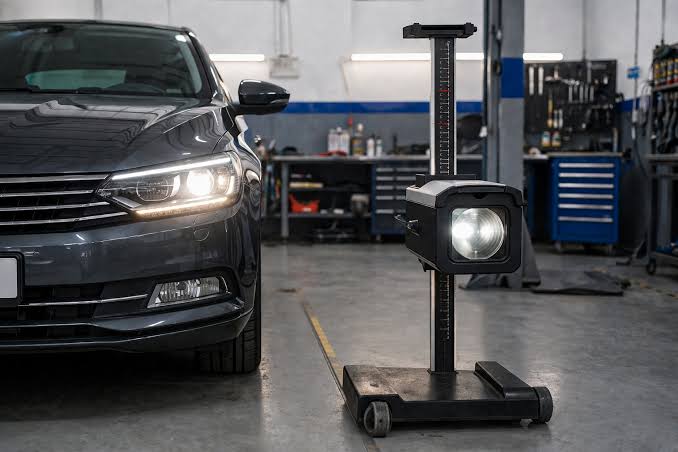
Lights (Headlamps/beams/brakes) Inspection

Faulty headlights, high or low beams, or brake lights can reduce road visibility and make it harder for other drivers to recognize your vehicle’s movements. Our vehicle lighting inspection helps identify problems such as blown bulbs, faulty switches, damaged wiring, defective fuses, or electrical connection issues. Finding the fault helps restore proper lighting, improve visibility at night, and ensure your brake lights alert drivers behind you when you slow down or stop. Arrange an inspection to identify the correct repairs and help keep your vehicle’s lighting system working reliably for safer driving.

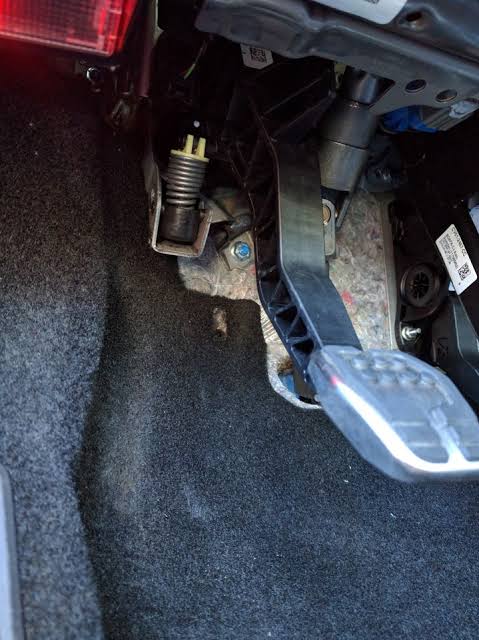
Clutch pedal goes all the way to the floor Inspection

If your clutch pedal goes all the way to the floor, you may struggle to change gears or be left unable to drive. Our clutch pedal inspection identifies the specific cause, such as a hydraulic fault, failed master or slave cylinder, cable problem, or worn clutch component, helping you get the correct repair without replacing parts unnecessarily and get your vehicle safely back on the road.

Coolant is leaking Inspection

If you notice coolant leaking from your vehicle, our inspection helps locate the source of the leak and identify whether the problem is coming from a hose, radiator, water pump, thermostat housing, or another cooling-system component. Finding and addressing the leak early can help prevent coolant loss, engine overheating, and more costly repairs while keeping your vehicle’s cooling system working properly.

Creaking noise when turning the steering wheel Inspection

If your vehicle makes a creaking noise when you turn the steering wheel, our inspection helps identify whether the noise is coming from the steering system, suspension components, joints, bushings, or other related parts. Finding the source early can help prevent worsening steering or suspension problems, reduce the risk of unexpected repairs, and keep your vehicle handling smoothly and safely.

Cruise control is not working Inspection

If your vehicle’s cruise control is not working, our inspection helps identify the cause, whether it involves the brake switch, cruise control buttons, sensors, wiring, or related electronic components. Finding the fault helps restore cruise control functionality where possible, allowing you to maintain a more consistent speed on suitable journeys, reduce unnecessary speed adjustments, and enjoy a more comfortable driving experience.

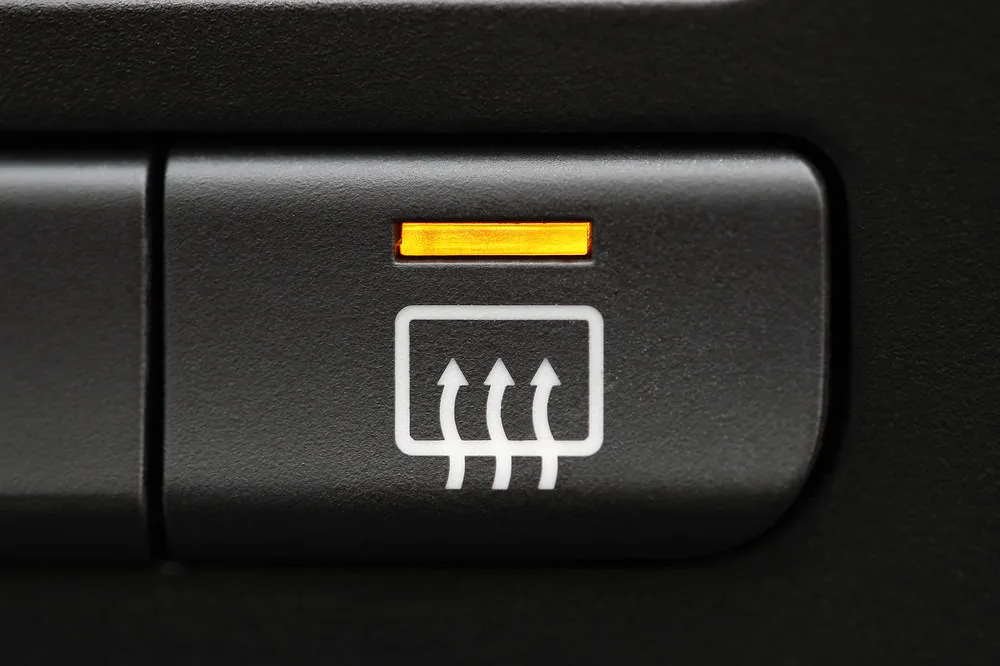
Defroster is not working Inspection

If your vehicle’s defroster is not working, fogged-up or misted windows can make it difficult to see the road clearly, especially in cold or wet weather. Our defroster inspection helps identify the cause, whether it involves the heating system, blower motor, vents, electrical controls, or rear-window defroster components. Identifying the fault helps restore effective window clearing, improve visibility, and support safer driving in changing weather conditions.

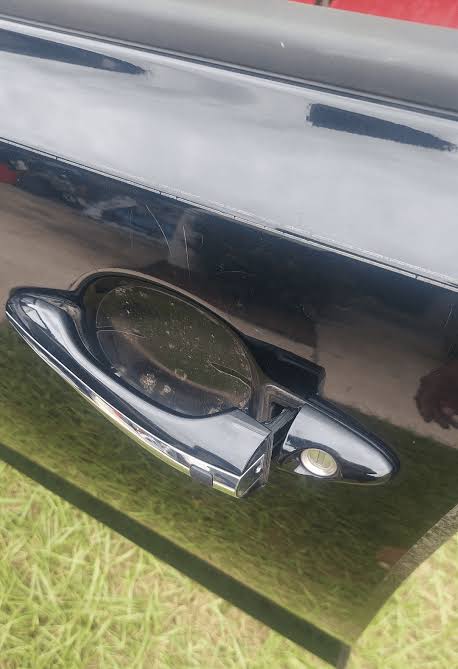
Door does not lock or open Inspection

If your vehicle’s door will not lock or open, our inspection helps identify the cause, whether it involves a faulty door lock actuator, damaged latch, worn lock mechanism, key or remote control issue, or electrical fault. Identifying the problem helps restore reliable door access and locking, protect your vehicle against unauthorized entry, and prevent the inconvenience of being locked out or unable to secure your car properly.

Door will not open Inspection

If your vehicle’s door will not open from the inside or outside, our inspection helps identify the cause, whether it involves a faulty door latch, damaged handle, broken linkage, stuck lock mechanism, or electrical fault. Finding the problem helps restore convenient access to your vehicle, prevent further damage from repeated attempts to open the door, and ensure you can enter and exit your car safely and reliably.

Search for products

Back to Top
Product has been added to your cart