Call us 24/7+254 700 031 732

Squealing noise from brakes Inspection Service

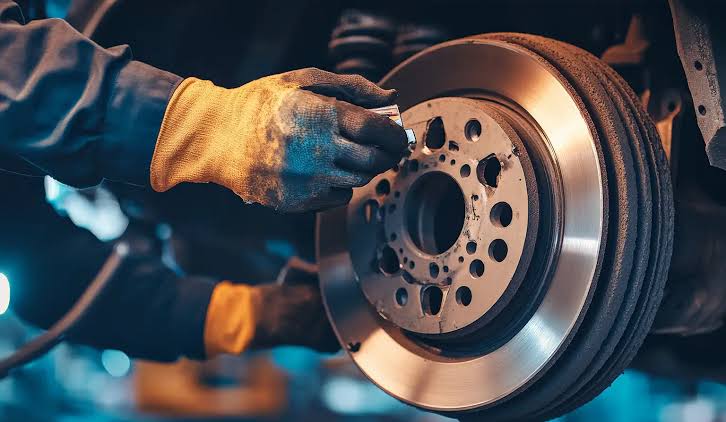
A squealing noise from your brakes can indicate worn brake pads, glazed braking surfaces, dust or debris between brake components, or other issues affecting the braking system. Our brake squealing inspection helps identify the source of the noise by checking the brake pads, discs, calipers, and related components for wear, contamination, or damage. We assess the condition of the braking system to determine the appropriate repair and help prevent unnecessary parts replacement. Prompt diagnosis can restore quieter braking, maintain reliable stopping performance, and reduce the risk of further damage to expensive brake components. Book an inspection to find out why your brakes are squealing and get the right repair for your vehicle. If the noise is accompanied by grinding, reduced braking performance, or a brake warning light, arrange professional assistance promptly.

Smoke from engine or exhaust Inspection

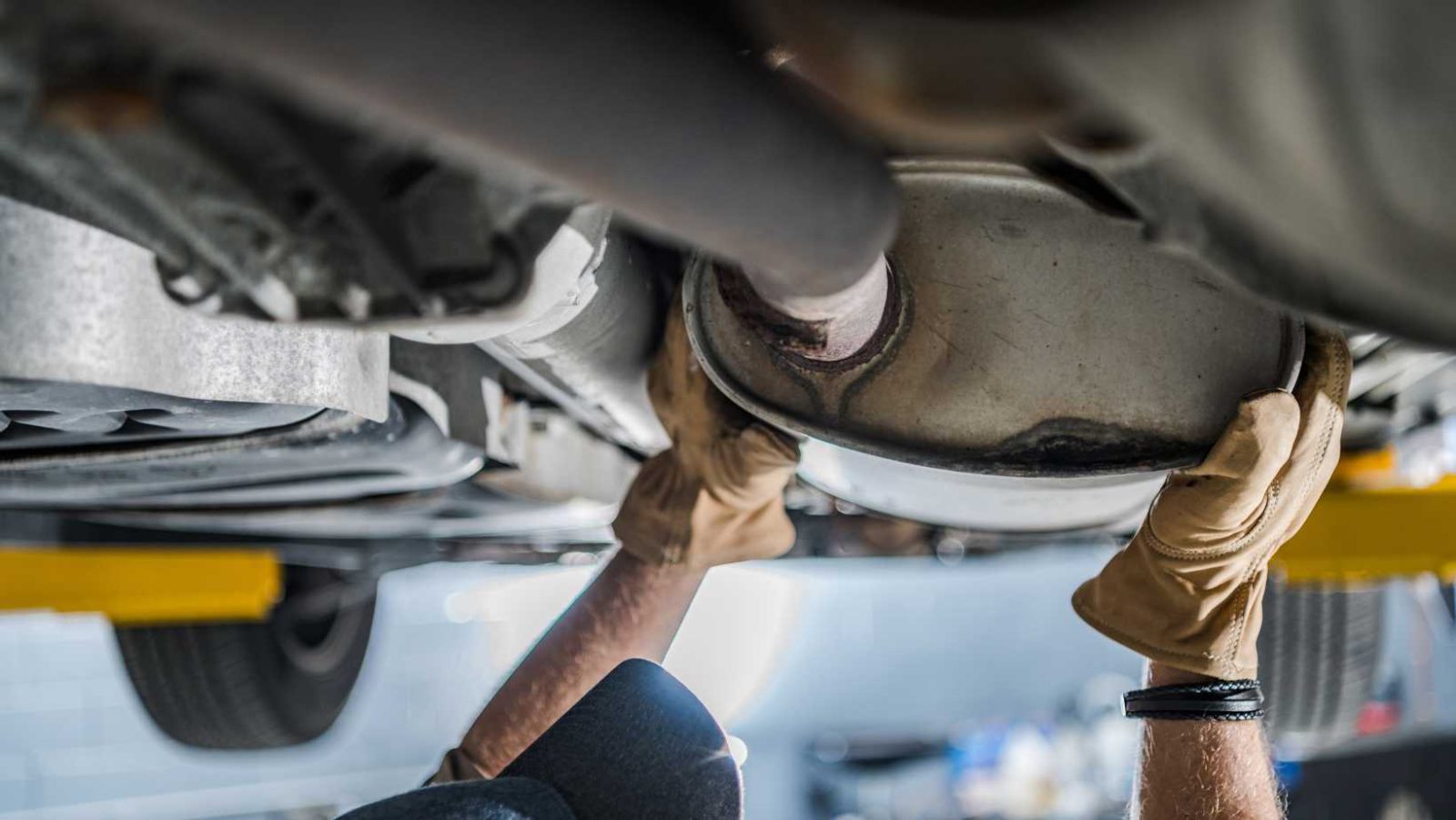
Smoke coming from your engine or exhaust can indicate a problem that affects your vehicle’s performance, reliability, or safety. Our engine or exhaust smoke inspection helps identify the cause by assessing possible issues such as oil leaks onto hot components, coolant entering the engine, fuel system faults, overheating, or problems with engine seals and the exhaust system. We examine the affected areas and use appropriate diagnostic checks to determine the correct repair and help prevent unnecessary parts replacement. Early diagnosis can reduce the risk of further engine damage, restore reliable operation, and help control repair costs. Book an inspection to identify the source of the smoke and get the right repair for your vehicle. If smoke is heavy, the engine is overheating, or you notice a burning smell, stop in a safe place, switch off the engine, and arrange professional assistance.

Loud noise is coming from rear brakes Inspection

Loud noises coming from your vehicle’s rear brakes can indicate worn brake shoes or pads, damaged brake drums or discs, loose brake hardware, or debris trapped in the braking system. Our rear brake inspection helps identify the source of the noise and determine which components need repair or replacement. Addressing the problem early can restore quieter braking, improve stopping performance, prevent further damage to brake components, and help you avoid more costly repairs. Arrange an inspection promptly to keep your braking system operating reliably and support safer driving.

Noise from engine or exhaust Inspection

Unusual noises from your engine or exhaust system may indicate a worn engine component, loose exhaust connection, damaged muffler, exhaust leak, or another mechanical problem. Our engine and exhaust inspection helps identify the source of the noise and determine the appropriate repair. Early diagnosis can help prevent further damage, reduce unnecessary repair costs, improve engine performance, and restore quieter vehicle operation. Book an inspection to identify the fault and keep your vehicle running reliably. If the noise is sudden or severe, or you notice exhaust fumes inside the cabin, stop driving and arrange professional assistance.

Fuel is leaking from gas tank Inspection

If you notice fuel leaking from your vehicle’s gas tank or smell a strong petrol or diesel odor, our fuel tank inspection helps identify the source of the leak, whether it involves a damaged tank, loose fuel connections, deteriorated seals, or faulty fuel lines. Finding the cause helps determine the necessary repair and prevent further fuel loss, costly component damage, and potential fire hazards. For your safety, stop driving, switch off the engine, keep away from flames and sparks, and arrange professional assistance immediately if you suspect a fuel leak.

Grinding sound from transmission Inspection

A grinding sound from your vehicle’s transmission may indicate worn gears, low or contaminated transmission fluid, damaged bearings, or other internal transmission problems. Our transmission grinding noise inspection helps identify the source of the sound and determine the repairs needed. Early diagnosis can help prevent further transmission damage, reduce the risk of expensive repairs, and restore smoother, quieter gear operation. Arrange an inspection to address the problem before it affects your vehicle’s performance and reliability.

Headlights do not change from low to high beam Inspection

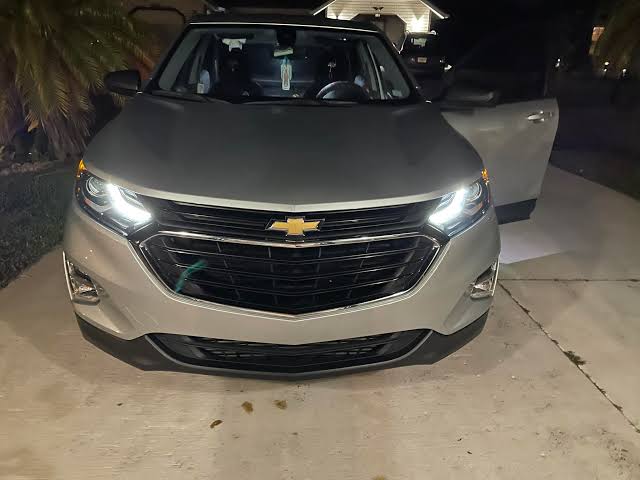
Headlights that do not switch between low and high beams can limit your visibility in different driving conditions and make it harder to see the road ahead at night. Our headlight inspection helps identify the cause, whether it involves a faulty dimmer switch, damaged wiring, blown bulbs, a defective relay, or an electrical connection problem. Finding the fault helps restore proper beam switching, improve visibility when driving in dark areas, and ensure you can use the appropriate headlight setting when needed. Arrange an inspection to identify the correct repair and maintain reliable vehicle lighting.

Clunking or knocking noise from wheels Inspection

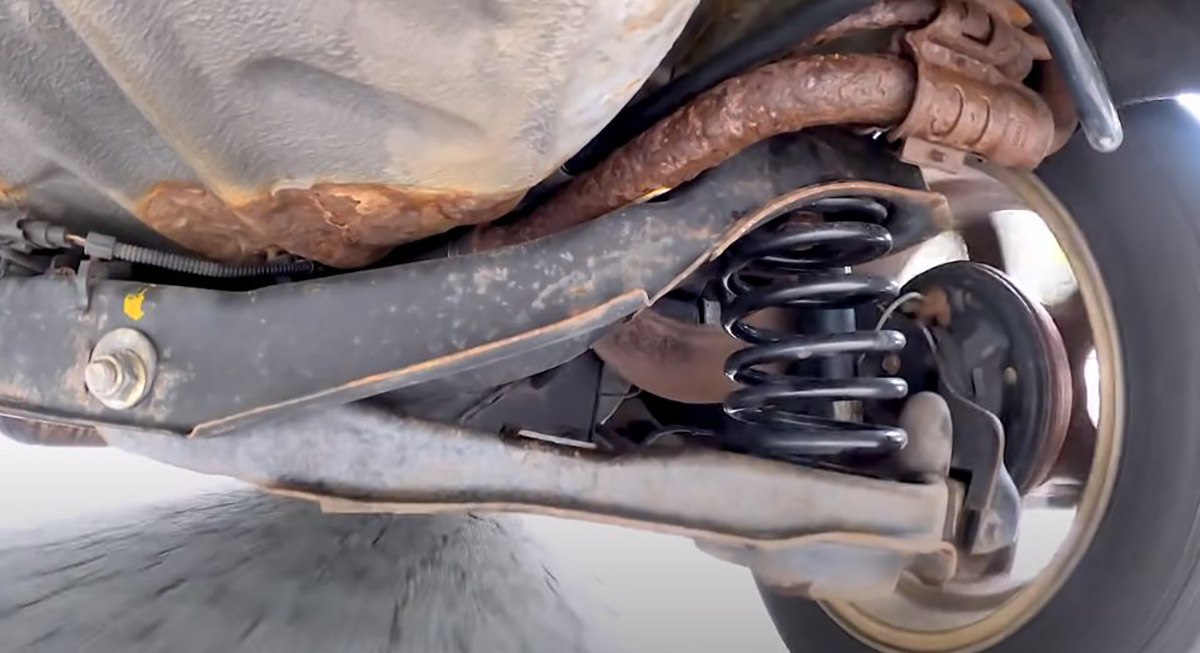
Hearing a distinct clunking or knocking sound directly from your wheels while driving, turning, or braking? A wheel noise inspection diagnoses bad wheel bearings, loose lug nuts, worn CV joints, and damaged brake hardware.An inspection for a clunking or knocking noise originating directly from the wheels involves diagnosing rotational driveline components, wheel attachment hardware, and wheel-end brake assemblies.

Car does not shift from park to drive Inspection

When a vehicle fails to shift from Park to Drive, the issue typically stems from a breakdown in the shift interlock system—a safety mechanism designed to prevent engagement unless the brake pedal is pressed. The most common culprit is a faulty brake light switch or a blown circuit fuse, which stops the interlock solenoid from receiving the signal to unlock the gear lever. Other potential causes include a failed shift lock actuator, a stretched or broken transmission shift cable, or mechanical binding against the park pawl when parked on steep inclines. A thorough inspection involves verifying brake light activation upon pedal depression, testing battery voltage, testing the manual shift lock override, and inspecting the linkage cable at both the console shifter and transmission range lever for loose or worn bushings.

Search for products

Back to Top
Product has been added to your cart