Call us 24/7+254 700 031 732

Radiator Hose Repair

Radiator hose repair helps restore proper coolant circulation when a radiator hose develops leaks, cracks, loose connections, or other signs of damage. Radiator hoses carry coolant between the engine and radiator, helping regulate engine temperature and prevent overheating. A damaged hose can cause coolant loss, rising engine temperatures, visible leaks, or reduced cooling system performance. A qualified technician will inspect the hoses, clamps, and connections to determine whether the affected hose can be repaired or requires replacement. Addressing radiator hose problems promptly helps maintain proper coolant flow, protect the engine from overheating, and reduce the risk of further cooling system damage. AskAutoParts.Africa helps you find suitable automotive parts and service solutions to keep your vehicle’s cooling system operating reliably.

Clutch Fluid Replacement

A clutch fluid replacement service helps maintain smooth clutch operation in vehicles equipped with a hydraulic clutch system. Clutch fluid transfers pressure from the clutch pedal to the hydraulic components that engage and disengage the clutch, allowing you to change gears smoothly. Over time, the fluid can absorb moisture or become contaminated, potentially affecting clutch performance and contributing to corrosion within the hydraulic system. Common signs of clutch fluid problems include a soft or spongy clutch pedal, difficulty changing gears, inconsistent pedal response or a low fluid level. During the service, a qualified mechanic checks the clutch hydraulic system, inspects the reservoir and related components for leaks, and replaces the old fluid with the correct specification recommended by the vehicle manufacturer. The system may also be bled to remove trapped air and restore consistent pedal operation. Regular clutch fluid maintenance helps protect hydraulic components and supports reliable gear changes. Book a Clutch Fluid Replacement service with Ask Auto Parts Africa to help maintain smooth clutch performance and dependable driving.

Brake System Flush

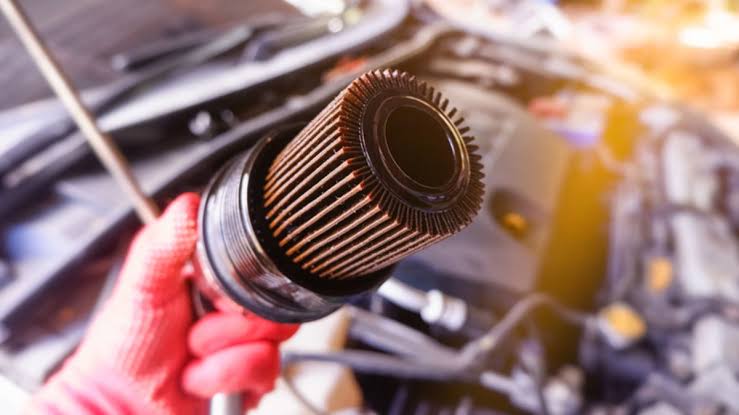
A fuel filter replacement service helps protect your vehicle’s engine and fuel system by removing dirt, rust particles and other contaminants from the fuel before it reaches the engine. Over time, the filter can become clogged, restricting fuel flow and affecting engine performance. Common signs of a worn or blocked fuel filter include difficulty starting the engine, hesitation during acceleration, reduced power, engine misfiring and unexpected stalling. During the service, a qualified mechanic checks the fuel filter and related components, identifies the correct replacement for your vehicle and installs it according to the manufacturer’s specifications. The mechanic also checks for fuel leaks and verifies that the fuel system is operating correctly after the replacement. Regular fuel filter maintenance helps support consistent fuel delivery, reliable engine operation and protection of sensitive fuel system components. Replacement intervals vary depending on the vehicle model, fuel system design and manufacturer’s recommendations. Book a Fuel Filter Replacement service with Ask Auto Parts Africa to help maintain reliable fuel flow and keep your vehicle performing efficiently.

Fuel Gauge Sender Replacement

Fuel gauge sender replacement helps restore accurate fuel level readings so you can monitor how much fuel remains in your vehicle’s tank. The fuel gauge sender is typically located inside or near the fuel tank and uses a float and electrical sensing mechanism to measure the fuel level and transmit the information to the dashboard gauge or electronic display. Over time, the sender may develop worn electrical contacts, a damaged float, wiring faults, or internal component failure, causing inaccurate readings. Common warning signs include a fuel gauge that remains empty or full, a needle that fluctuates unexpectedly, incorrect fuel level readings, or a dashboard display that does not reflect the actual amount of fuel in the tank. During this service, a qualified mechanic inspects the fuel gauge sender, wiring, electrical connections, and dashboard gauge system to identify the cause of the problem. Once the sender is confirmed to be faulty, the mechanic follows the manufacturer’s recommended procedure to access the fuel tank assembly and remove the defective component. A compatible replacement sender is installed, and the electrical connections and seals are checked before the assembly is secured.

Search for products

Back to Top
Product has been added to your cart