Call us 24/7+254 700 031 732

Transmission fluid is leaking Inspection

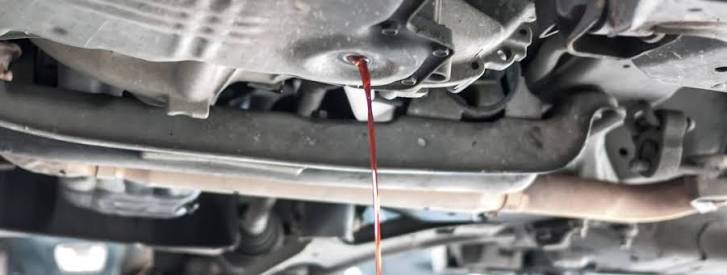
Transmission fluid leaking from your vehicle can lead to low fluid levels, difficulty changing gears, overheating, and serious transmission damage when left unaddressed. Our transmission fluid leak inspection helps locate the source of the leak, which may include worn seals or gaskets, damaged transmission cooler lines, loose connections, a leaking transmission pan, or a faulty transmission housing. We examine the transmission system to identify the cause and recommend the appropriate repair without unnecessary parts replacement. Prompt diagnosis helps protect transmission components, maintain smooth gear changes, and reduce the risk of expensive repairs. Book an inspection to find the source of the transmission fluid leak and get the right repair for your vehicle. If the leak is severe, gears are slipping, or the vehicle struggles to move, avoid driving and arrange professional assistance.

Valve cover gasket is leaking Inspection

A leaking valve cover gasket can allow engine oil to escape from the top of the engine, causing oil stains, burning oil smells, smoke when oil reaches hot components, and reduced oil levels. Our valve cover gasket leak inspection helps confirm the source of the leak by checking the gasket, valve cover, surrounding seals, and nearby engine components for signs of oil seepage or damage. We assess the condition of the affected parts to determine whether the gasket needs replacement or additional repairs are required. Prompt diagnosis helps prevent continued oil loss, reduce the risk of damage to nearby components, and avoid more expensive engine repairs. Book an inspection to identify the source of the oil leak and get the right repair for your vehicle. If you notice heavy smoke, a significant oil leak, or an oil pressure warning light, stop driving when safe and arrange professional assistance.

Power steering fluid is leaking Inspection

Power steering fluid leaking from your vehicle can make steering difficult, cause unusual noises when turning, and lead to damage to the power steering pump or other steering components when fluid levels become too low. Our power steering fluid leak inspection helps locate the source of the leak, which may include damaged hoses, loose connections, worn seals, a leaking power steering pump, or a faulty steering rack. We examine the system to determine the appropriate repair and help prevent unnecessary replacement of parts. Prompt attention helps maintain smooth steering, protect essential components, and reduce the risk of costly repairs. Book an inspection to identify the leak and get the right repair for your vehicle. If steering becomes difficult or the fluid loss is severe, avoid driving and arrange professional assistance.

Oil is leaking into spark plug well Inspection

Oil leaking into your vehicle’s spark plug wells may indicate worn valve cover gaskets, damaged spark plug tube seals, or other sealing problems around the engine. Our inspection helps identify the source of the leak and determine the appropriate repair before oil contamination affects spark plugs, ignition coils, or engine performance. Early diagnosis can help prevent engine misfires, reduce oil-related maintenance costs, and restore reliable ignition system operation. Arrange an inspection to identify the fault, protect essential engine components, and keep your vehicle running smoothly.

Fuel is leaking from gas tank Inspection

If you notice fuel leaking from your vehicle’s gas tank or smell a strong petrol or diesel odor, our fuel tank inspection helps identify the source of the leak, whether it involves a damaged tank, loose fuel connections, deteriorated seals, or faulty fuel lines. Finding the cause helps determine the necessary repair and prevent further fuel loss, costly component damage, and potential fire hazards. For your safety, stop driving, switch off the engine, keep away from flames and sparks, and arrange professional assistance immediately if you suspect a fuel leak.

Coolant is leaking Inspection

If you notice coolant leaking from your vehicle, our inspection helps locate the source of the leak and identify whether the problem is coming from a hose, radiator, water pump, thermostat housing, or another cooling-system component. Finding and addressing the leak early can help prevent coolant loss, engine overheating, and more costly repairs while keeping your vehicle’s cooling system working properly.

Brake fluid is leaking Inspection

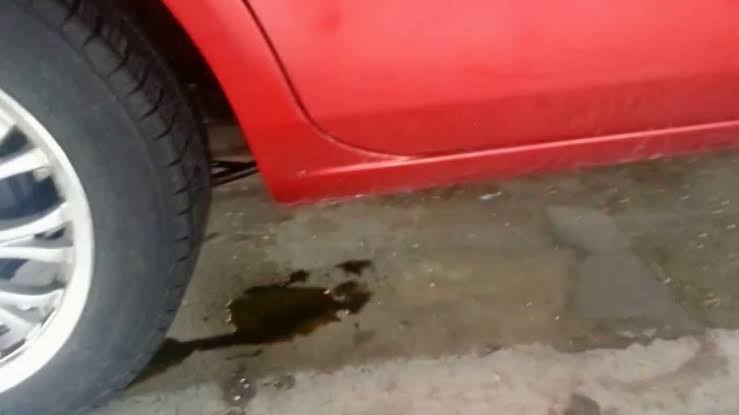
Oily puddle near your tires, spongy brake pedal, or low reservoir level? A brake fluid leak inspection traces hydraulic line cracks, caliper seal tears, and master cylinder leaks to protect your stopping power.When a leak occurs—whether from rusted or pitted steel brake lines, dry-rotted rubber flex hoses, blown master cylinder secondary seals, or weeping caliper piston dust boots—air enters the sealed circuit while fluid escapes. Because air compresses under pressure while fluid does not, a leak quickly causes the brake pedal to feel soft or spongy, eventually allowing the pedal to sink completely to the floorboards and severely compromising stopping ability.

Search for products

Back to Top
Product has been added to your cart