Call us 24/7+254 700 031 732

Car Battery Terminal Ends Replacement

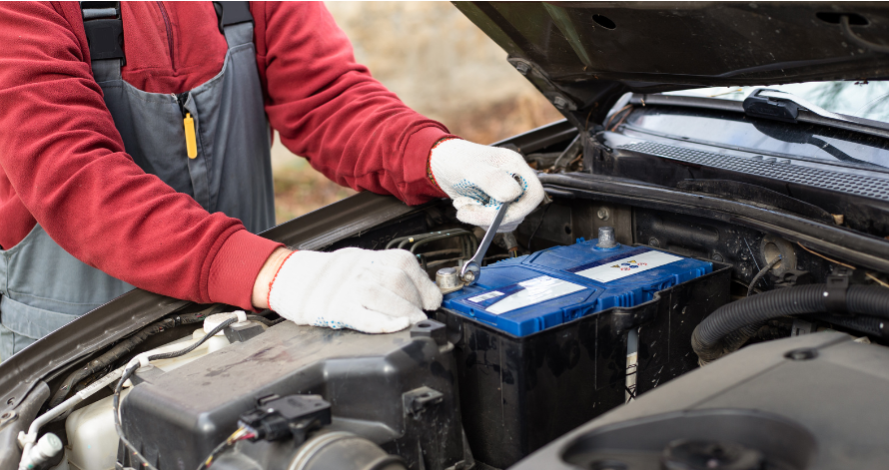
Your car’s battery plays a significant role during cranking and there must be a way to get electricity from the battery to the starter and spark plugs. This is done with battery cables; there are two that connect to the battery — one to the positive terminal and one to the negative terminal. Battery terminal ends are nothing more than clamps. They connect the cables to the terminals and hold them there securely. Over time, battery terminal ends will corrode, particularly if you don’t have regular maintenance performed on the battery. Both the terminals and ends should be cleaned regularly to remove corrosion and build up. If a terminal end fails, the cable will come loose from the battery. This will result in no electricity during starting. If the car isn’t already running, it will not crank. If the terminal end fails while driving, the car will continue to operate, but it will not crank again after being turned off.


Battery terminal ends should be inspected during all regular maintenance services. | Battery terminal ends should be properly maintained to prolong their life and avoid issues with corrosion.


The battery is located. The battery terminal ends are verified that they need to be replaced. The battery terminals are disconnected. | The defective battery terminal ends are removed by cutting the cables or unbolting the connections. | The battery terminals are cleaned. The new battery terminal ends are installed onto the cables and reconnected to the battery. | The battery terminal ends are tightened to the battery and coated with a battery protection spray. | The vehicle is tested for proper operation of the battery terminal ends by starting engine.


Battery terminal ends are critical components of your vehicle’s charging system. They ensure that the battery stays connected to the system, providing electricity for cranking and allowing the battery to recharge while the alternator is running. Over time, corrosion can eat into the metal, eventually compromising your battery terminal ends. Have your terminal ends professionally inspected and maintained at all regular service intervals.


Without a constant connection to the battery, your car will not crank. It won’t stop the engine from running, but it will prevent it from cranking after being turned off. Have your battery and battery cables maintained at all times, and the terminal ends replaced if damage is noticed.

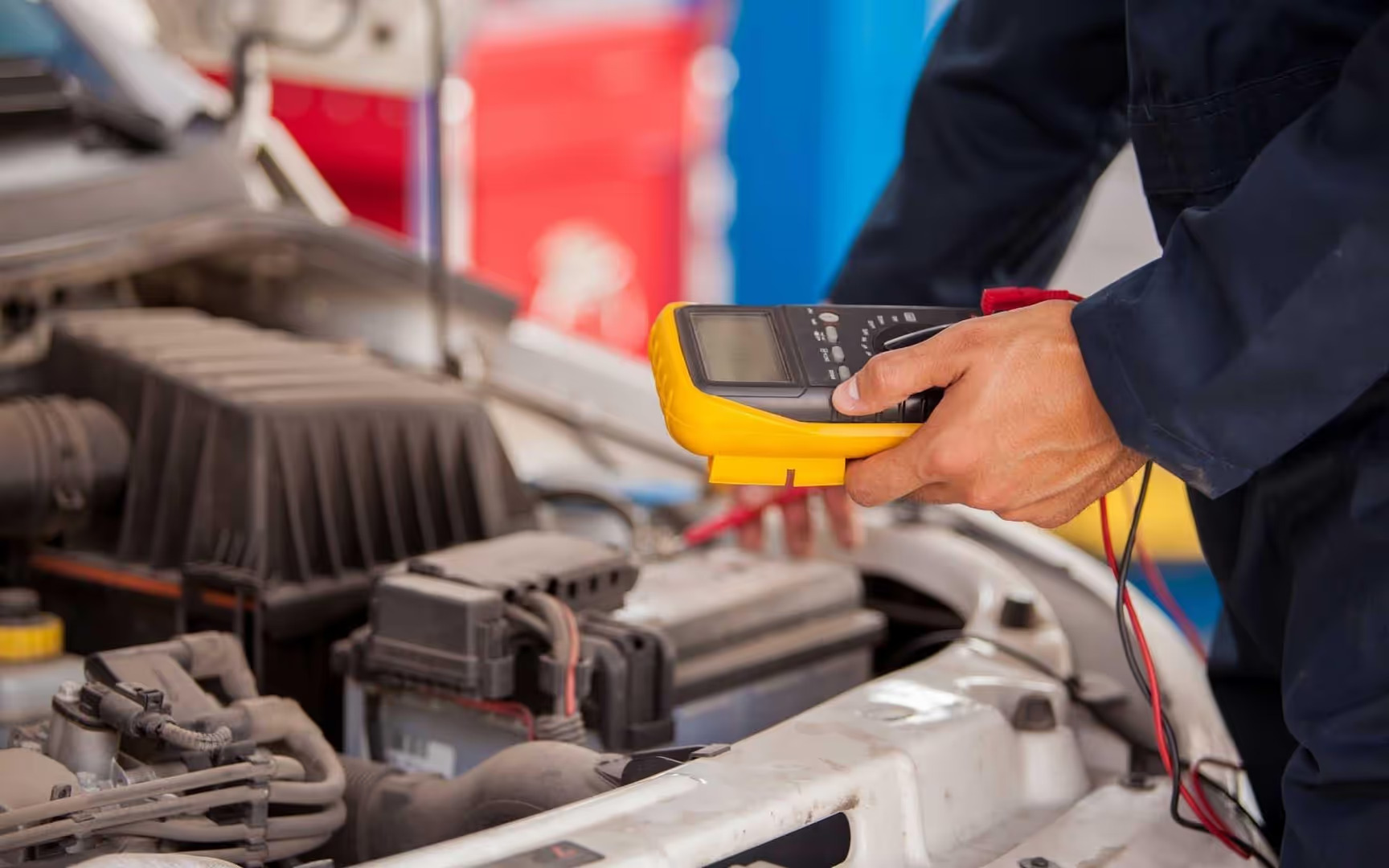
Battery will not hold a charge Inspection

Stiff brake pedal requiring extreme foot pressure to slow down or stop? A brake pedal inspection diagnoses vacuum booster failures, check valve leaks, and caliper seize issues to restore safe, power-assisted braking.An inspection for a hard-to-push brake pedal involves evaluating the vehicle’s power-assist brake system and hydraulic circuit to locate the source of lost power assistance or mechanical resistance.

Battery Light is on Inspection

An inspection for an illuminated battery light involves diagnosing the vehicle’s electrical charging system to determine why the battery is not receiving proper voltage while the engine is running.Battery warning light illuminated on your dashboard, dim headlights, or engine stalling while driving? A charging system inspection tests the alternator, battery, and serpentine belt to prevent roadside breakdowns.

Battery is dead Inspection

Battery warning light illuminated on your dashboard, dim headlights, or engine stalling while driving? A charging system inspection tests the alternator, battery, and serpentine belt to prevent roadside breakdowns.An inspection for an illuminated battery light involves diagnosing the vehicle’s electrical charging system to determine why the battery is not receiving proper voltage while the engine is running.

Car Battery Cable Replacement

Replacing a car battery cable involves disconnecting damaged or corroded leads and installing fresh cables to restore reliable electrical flow between the battery, starter motor, and chassis ground. With the engine turned off and keys removed, always disconnect the negative (black) terminal first to prevent electrical arcing, followed by the positive (red) terminal. Unbolt the secondary ends from the starter solenoid, fuse box, or engine ground, route the new cables through the existing brackets, and ensure ground connections are scraped clean of rust or paint for solid metal-to-metal contact.

Car Battery Replacement

Car won’t start, clicking when you turn the key, or dimming headlights? A professional car battery replacement restores reliable cranking power and stabilizes your vehicle’s entire electrical system.

Service Battery/Cables

Experiencing heavy terminal corrosion, flickering dashboard lights, or intermittent starting issues? Servicing your battery and cables cleans corroded connections and secures loose wiring to ensure full electrical flow and prevent unexpected starting failures.

Search for products

Back to Top
Product has been added to your cart