Call us 24/7+254 700 031 732

Excessive car bounce and sway Inspection

Does your vehicle bounce excessively over bumps, sway when turning, or feel unstable on uneven roads? Our excessive car bounce and sway inspection helps identify worn shock absorbers, damaged struts, weak suspension springs, worn bushings, or other suspension problems affecting your vehicle’s stability. Finding the cause helps restore better handling, improve ride comfort, reduce uneven tyre wear, and maintain better control when cornering or driving over rough surfaces. Book an inspection to identify the necessary repairs and help keep your vehicle stable, comfortable, and safer on the road.

Engine is shaking, pulsating or vibrating Inspection

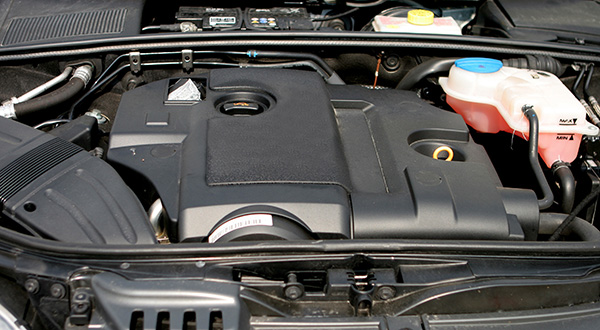
Is your vehicle shaking, pulsating, or vibrating while idling, accelerating, or driving? Our engine vibration inspection helps identify the cause, whether it involves worn engine mounts, an engine misfire, faulty spark plugs, fuel delivery problems, or other engine-related issues. Pinpointing the fault helps you get the right repair, reduce uncomfortable vibrations, improve driving comfort, and prevent further damage to connected engine components. Have your vehicle inspected to restore smoother operation and enjoy a more comfortable, reliable driving experience.

Engine is running louder than normal Inspection

Is your vehicle’s engine louder than usual? Unusual engine noise may indicate an exhaust leak, worn engine components, low engine oil, or a problem with the belts or other moving parts. Our inspection helps identify the source of the noise and determine the appropriate repair, helping you avoid unnecessary parts replacement, prevent further damage, and restore quieter, smoother engine operation. Get your vehicle checked early to maintain reliable performance and enjoy greater peace of mind on the road.

Engine is misfiring Inspection

If your vehicle’s engine is misfiring, you may notice rough idling, shaking, poor acceleration, increased fuel consumption, or a loss of power while driving. Our engine misfire inspection helps identify the cause, whether it involves worn spark plugs, faulty ignition coils, clogged fuel injectors, vacuum leaks, or engine sensor problems. Finding the fault helps you get the correct repair, restore smoother engine performance, improve fuel efficiency, and prevent further damage to components such as the catalytic converter. Book an inspection to get your engine running reliably again.

Engine idle speed is high Inspection

Is your engine running at unusually high speeds when your vehicle is stationary? Our high engine idle speed inspection helps identify the cause, including vacuum leaks, a dirty throttle body, a faulty idle air control valve, or malfunctioning engine sensors. By pinpointing the problem, you can avoid wasting fuel, reduce unnecessary engine strain, and prevent unpredictable vehicle behaviour. We help you determine the right repair to restore a stable idle, improve engine efficiency, and keep your vehicle running reliably.

Variable Valve Timing (VVT) Solenoid Replacement

Variable Valve Timing (VVT) switch replacement helps restore proper monitoring and control of your vehicle’s variable valve timing system when the switch or sensor responsible for detecting system operation becomes faulty. The VVT system adjusts engine valve timing according to driving conditions to support efficient combustion, smooth performance, and responsive acceleration. Depending on the vehicle design, the VVT switch may provide an electrical signal that helps the engine control unit monitor or regulate the system. When the switch develops a fault, your vehicle may experience rough idling, reduced engine power, poor acceleration, increased fuel consumption, or an illuminated check engine light. During this service, a qualified mechanic uses diagnostic equipment to identify relevant fault codes and inspects the VVT switch, electrical connectors, wiring, and related components to confirm the cause of the problem. The faulty switch is then removed and replaced with a compatible component that meets the vehicle manufacturer’s specifications. The mechanic checks the electrical connections, verifies correct installation, and tests the system to confirm that the appropriate signals are being received.

Variable Valve Timing (VVT) Switch Replacement

Variable Valve Timing (VVT) switch replacement helps restore proper monitoring and control of your vehicle’s variable valve timing system when the switch or sensor responsible for detecting system operation becomes faulty. The VVT system adjusts engine valve timing according to driving conditions to support efficient combustion, smooth performance, and responsive acceleration. Depending on the vehicle design, the VVT switch may provide an electrical signal that helps the engine control unit monitor or regulate the system. When the switch develops a fault, your vehicle may experience rough idling, reduced engine power, poor acceleration, increased fuel consumption, or an illuminated check engine light. During this service, a qualified mechanic uses diagnostic equipment to identify relevant fault codes and inspects the VVT switch, electrical connectors, wiring, and related components to confirm the cause of the problem. The faulty switch is then removed and replaced with a compatible component that meets the vehicle manufacturer’s specifications. The mechanic checks the electrical connections, verifies correct installation, and tests the system to confirm that the appropriate signals are being received.

Vent Oil Separator Replacement

Vent oil separator replacement helps maintain proper crankcase ventilation by separating oil mist from engine gases before they are recirculated or routed through the ventilation system. The vent oil separator helps reduce oil vapour entering the intake system while supporting appropriate crankcase pressure and efficient engine operation. Over time, the separator can become clogged, damaged, or less effective due to oil residue buildup, internal wear, or deteriorating seals. Common warning signs include increased oil consumption, oil leaks around engine seals, excessive oil residue in the intake system, rough idling, or unusual pressure within the crankcase. During this service, a qualified mechanic inspects the vent oil separator, associated hoses, ventilation passages, and seals to determine whether the component requires replacement. The faulty separator is carefully removed, and the surrounding connections are checked for blockages, cracks, or damage. A suitable replacement is then installed according to the vehicle manufacturer’s specifications, ensuring that all hoses, seals, and connections are properly secured. The mechanic checks the ventilation system for leaks and verifies that crankcase ventilation operates correctly after installation.

Water Pump Pulley Replacement

Water pump pulley replacement helps maintain proper coolant circulation by ensuring that the engine-driven water pump receives the rotational force needed to operate effectively. The water pump pulley connects to the engine’s belt drive system and transfers power from the belt to the water pump, allowing coolant to circulate through the engine and radiator. Over time, the pulley may become worn, cracked, bent, corroded, or misaligned, affecting belt movement and water pump operation. Common warning signs include unusual squealing or grinding noises from the engine bay, visible pulley damage, belt misalignment, excessive vibration, or signs of overheating caused by reduced coolant circulation. During this service, a qualified mechanic inspects the water pump pulley, drive belt, tensioner, mounting hardware, and surrounding components to identify the source of the problem. The damaged pulley is carefully removed, and the mounting area is checked for wear or damage before a compatible replacement is installed according to the vehicle manufacturer’s specifications. The mechanic then verifies pulley alignment, checks belt tension where applicable, and confirms that the belt moves smoothly without unusual noise or vibration.

Water Pump Replacement

Water pump replacement helps maintain proper engine cooling by ensuring that coolant circulates effectively between the engine and radiator. The water pump moves coolant through the cooling system, helping regulate engine temperature and prevent excessive heat buildup during operation. Over time, the pump may develop worn bearings, damaged seals, internal corrosion, or mechanical failure, reducing coolant circulation and increasing the risk of engine overheating. Common warning signs include coolant leaking near the water pump, unusual grinding or whining noises from the engine, rising engine temperature, coolant loss, or visible damage around the pump assembly. During this service, a qualified mechanic inspects the water pump, cooling system, drive belt, hoses, and related components to confirm the source of the problem. The faulty pump is carefully removed, and the mounting surfaces are cleaned before a compatible replacement is installed using the appropriate gasket or seal. Where required, the mechanic also inspects or replaces associated components, such as the drive belt and tensioner, according to the vehicle manufacturer’s recommendations.

Search for products

Back to Top
Product has been added to your cart