Call us 24/7+254 700 031 732

Transfer Case Fluid Replacement

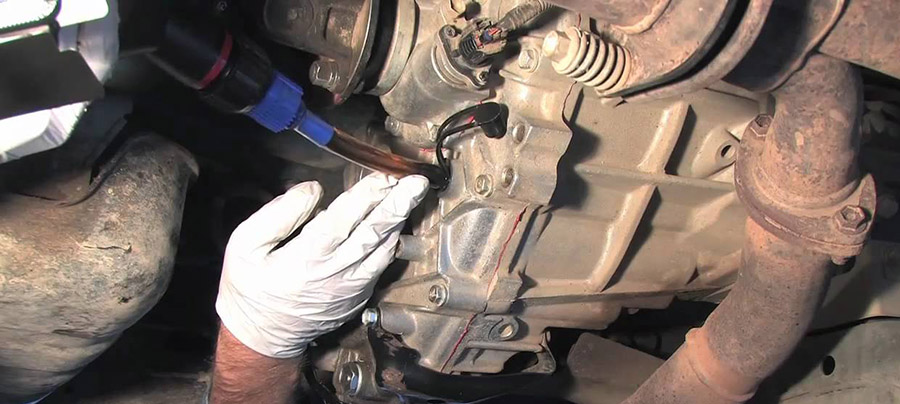
A transfer case fluid replacement service helps protect the transfer case in four-wheel-drive (4WD) and all-wheel-drive (AWD) vehicles by maintaining proper lubrication of its internal gears, bearings and other moving components. Over time, the fluid can deteriorate or become contaminated with wear particles, reducing its ability to protect components against friction and heat. Common signs of transfer case fluid problems include unusual whining or grinding noises, difficulty engaging four-wheel drive, fluid leaks and vibrations while driving. During the service, a qualified mechanic checks the transfer case for leaks, inspects the existing fluid where appropriate, drains the old fluid and refills the unit with the correct fluid type and quantity specified by the vehicle manufacturer. The mechanic also checks the fill level and assesses the transfer case for signs of abnormal wear or damage. Regular fluid maintenance helps support smooth power distribution between the wheels, protect internal components and maintain reliable drivetrain performance. The recommended service interval depends on your vehicle model, driving conditions and manufacturer guidelines. Book a Transfer Case Fluid Replacement service with Ask Auto Parts Africa to help keep your 4WD or AWD drivetrain properly lubricated and performing reliably.

Transmission Fluid Service

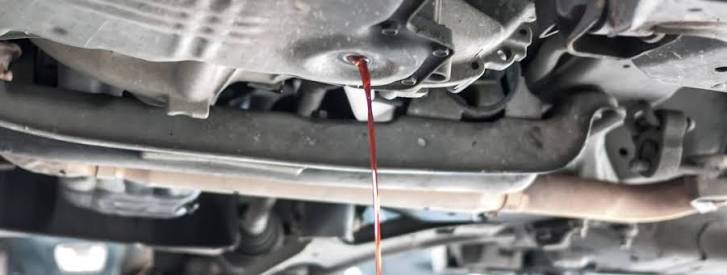
A transmission fluid service helps maintain smooth gear changes and protect your vehicle’s transmission by ensuring the fluid is clean and at the correct level. Transmission fluid lubricates moving components, helps control operating temperatures and, in automatic transmissions, supports the hydraulic pressure needed for gear engagement. Over time, the fluid can deteriorate or become contaminated, potentially affecting transmission performance and increasing component wear. Common signs of transmission fluid problems include delayed or harsh gear changes, slipping gears, unusual transmission noises, fluid leaks and discoloured or burnt-smelling fluid. During the service, a qualified mechanic checks the fluid condition and level, inspects the transmission for leaks, and determines whether the fluid needs topping up, replacing or changing according to the vehicle manufacturer’s recommendations. Where required, the mechanic also replaces the transmission filter and associated seals or gaskets if the service procedure calls for it. Using the correct transmission fluid specification is essential for proper operation and component protection. Book a Transmission Fluid Service with Ask Auto Parts Africa to help maintain reliable gear shifting, protect your transmission and support long-term vehicle performance.

Power Steering Fluid Service

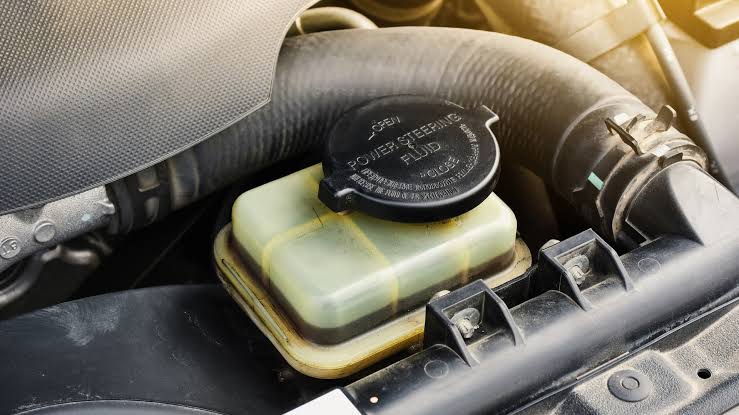
A power steering fluid service helps maintain smooth, responsive steering in vehicles equipped with hydraulic or electro-hydraulic power steering systems. The fluid transfers hydraulic pressure that assists steering movement, making it easier to turn the steering wheel and control the vehicle. Over time, the fluid can deteriorate or become contaminated, potentially affecting steering performance and contributing to wear on system components. Common signs of power steering fluid problems include a whining noise when turning the steering wheel, stiff steering, inconsistent steering assistance or a low fluid level. During the service, a qualified mechanic checks the fluid condition and level, inspects the reservoir, hoses and connections for leaks, and determines whether the fluid needs topping up, replacing or flushing according to the vehicle manufacturer’s recommendations. The correct fluid specification is essential because using an unsuitable fluid can damage steering components. Regular maintenance helps support smooth steering operation, protect the hydraulic system and improve driving comfort. Book a Power Steering Fluid Service with Ask Auto Parts Africa to help keep your steering system operating smoothly and reliably.

Washer fluid does not spray onto windshield Inspection Service

# Washer Fluid Does Not Spray Onto Windshield Inspection Service

When washer fluid does not spray onto the windshield, it becomes difficult to remove dirt, dust, and road grime, reducing visibility while driving. Ask Auto Parts Africa offers a Washer Fluid Does Not Spray Onto Windshield Inspection Service to identify faults affecting your vehicle’s windshield washer system. A qualified mechanic will check the washer fluid level, inspect the washer pump, examine hoses and connections for leaks or blockages, and assess the spray nozzles and relevant electrical components. The inspection helps identify problems such as a faulty washer pump, clogged nozzles, damaged hoses, or electrical issues preventing fluid from reaching the windshield. Prompt diagnosis helps restore proper washer operation and maintain clear visibility in different driving conditions. Book an inspection with Ask Auto Parts Africa to identify the cause of the problem and determine the appropriate repairs for your vehicle.

Transfer case fluid is low Inspection Service

Low transfer case fluid can affect your vehicle’s four-wheel-drive or all-wheel-drive system, causing unusual noises, difficulty engaging four-wheel drive, vibration, or drivetrain performance problems. Our Transfer Case Fluid Is Low Inspection Service helps identify low fluid levels, possible leaks, and other issues affecting the transfer case. A qualified mechanic will inspect the transfer case, check the fluid condition and level according to manufacturer specifications, and look for signs of damaged seals or other faults. Early inspection helps reduce unnecessary drivetrain wear and supports reliable vehicle operation. Book an inspection with Ask Auto Parts Africa to identify the cause of low transfer case fluid and determine the appropriate repair or maintenance needed for your vehicle.

Transmission fluid is leaking Inspection

Transmission fluid leaking from your vehicle can lead to low fluid levels, difficulty changing gears, overheating, and serious transmission damage when left unaddressed. Our transmission fluid leak inspection helps locate the source of the leak, which may include worn seals or gaskets, damaged transmission cooler lines, loose connections, a leaking transmission pan, or a faulty transmission housing. We examine the transmission system to identify the cause and recommend the appropriate repair without unnecessary parts replacement. Prompt diagnosis helps protect transmission components, maintain smooth gear changes, and reduce the risk of expensive repairs. Book an inspection to find the source of the transmission fluid leak and get the right repair for your vehicle. If the leak is severe, gears are slipping, or the vehicle struggles to move, avoid driving and arrange professional assistance.

Power steering fluid is leaking Inspection

Power steering fluid leaking from your vehicle can make steering difficult, cause unusual noises when turning, and lead to damage to the power steering pump or other steering components when fluid levels become too low. Our power steering fluid leak inspection helps locate the source of the leak, which may include damaged hoses, loose connections, worn seals, a leaking power steering pump, or a faulty steering rack. We examine the system to determine the appropriate repair and help prevent unnecessary replacement of parts. Prompt attention helps maintain smooth steering, protect essential components, and reduce the risk of costly repairs. Book an inspection to identify the leak and get the right repair for your vehicle. If steering becomes difficult or the fluid loss is severe, avoid driving and arrange professional assistance.

Brake fluid is black or brown Inspection

Dark, brown, or black brake fluid on your dipstick or reservoir? A brake fluid inspection measures moisture contamination, degradation levels, and rubber seal wear to protect your master cylinder and ABS system.As water mixes with the fluid, the boiling point drops dramatically, increasing the risk of vapor lock during heavy braking. The fluid turns dark brown or black as internal temperatures bake the mixture and breakdown products dissolve internal rubber seals, flexible brake lines, and master cylinder cup seals into fine particulate sludge. Dark fluid also contains dissolved copper and iron particles from oxidizing steel brake lines, which can form abrasive sludge that jams sensitive solenoids inside expensive ABS control modules.

Brake fluid is leaking Inspection

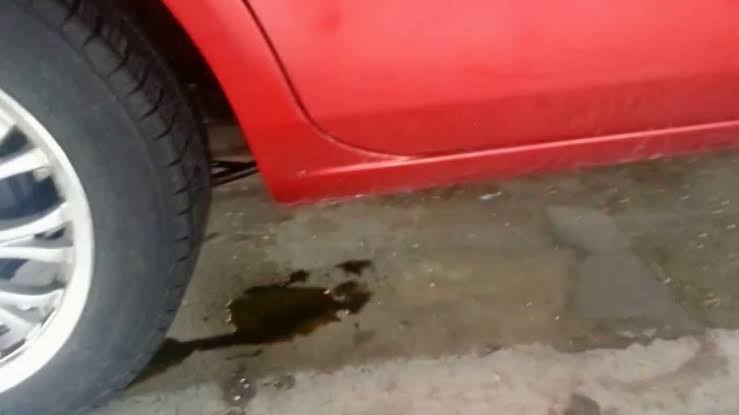
Oily puddle near your tires, spongy brake pedal, or low reservoir level? A brake fluid leak inspection traces hydraulic line cracks, caliper seal tears, and master cylinder leaks to protect your stopping power.When a leak occurs—whether from rusted or pitted steel brake lines, dry-rotted rubber flex hoses, blown master cylinder secondary seals, or weeping caliper piston dust boots—air enters the sealed circuit while fluid escapes. Because air compresses under pressure while fluid does not, a leak quickly causes the brake pedal to feel soft or spongy, eventually allowing the pedal to sink completely to the floorboards and severely compromising stopping ability.

Search for products

Back to Top
Product has been added to your cart