Call us 24/7+254 700 031 732

Temperature gauge is maxed out Inspection

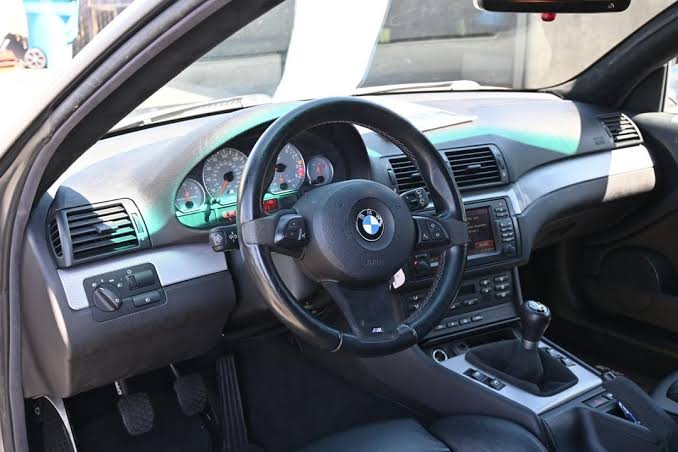
A temperature gauge that reaches the maximum level can indicate severe engine overheating or a fault in the vehicle’s cooling system, putting the engine at risk of serious damage. Our temperature gauge inspection helps identify the cause, which may include low coolant levels, a leaking radiator, a faulty thermostat, a malfunctioning cooling fan, a damaged water pump, or a defective temperature sensor. We assess the cooling system and related components to determine the correct repair and help prevent unnecessary parts replacement. Prompt diagnosis can protect the engine, restore proper temperature regulation, and reduce the risk of costly mechanical damage. Book an inspection to identify why your temperature gauge is reaching its maximum level and get the right repair for your vehicle. If the gauge reaches the maximum, stop in a safe place, switch off the engine, and allow it to cool. Never open the radiator cap while the engine is hot; arrange professional assistance before driving again.
Traction Control Light is On Inspection

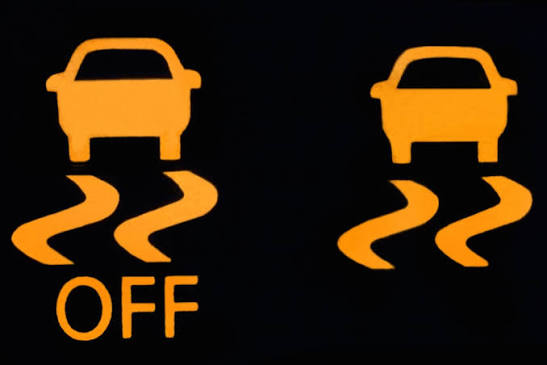
When the traction control warning light appears on your dashboard, your vehicle may have a fault in the system designed to help maintain tyre grip and stability on slippery or uneven roads. Our traction control light inspection helps identify the cause, which may include a faulty wheel speed sensor, damaged wiring, an issue with the ABS system, a steering angle sensor fault, or a problem with the traction control module. We use appropriate diagnostic equipment to check for fault codes and assess the affected components, helping determine the correct repair without unnecessary parts replacement. Prompt diagnosis helps restore traction control functionality, improve vehicle stability, and identify related braking or sensor issues. Book an inspection to determine why the traction control light is on and get the right repair for your vehicle. Drive cautiously until the fault is diagnosed, particularly on wet or slippery roads.

Transmission fluid is leaking Inspection

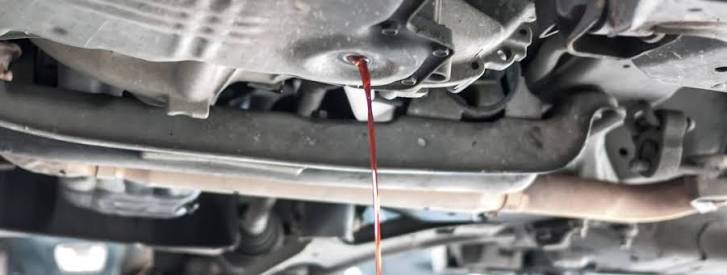
Transmission fluid leaking from your vehicle can lead to low fluid levels, difficulty changing gears, overheating, and serious transmission damage when left unaddressed. Our transmission fluid leak inspection helps locate the source of the leak, which may include worn seals or gaskets, damaged transmission cooler lines, loose connections, a leaking transmission pan, or a faulty transmission housing. We examine the transmission system to identify the cause and recommend the appropriate repair without unnecessary parts replacement. Prompt diagnosis helps protect transmission components, maintain smooth gear changes, and reduce the risk of expensive repairs. Book an inspection to find the source of the transmission fluid leak and get the right repair for your vehicle. If the leak is severe, gears are slipping, or the vehicle struggles to move, avoid driving and arrange professional assistance.

Turn signal light is not working Inspection

A turn signal light that is not working can prevent other road users from knowing when you intend to turn or change lanes, increasing the risk of an accident. Our turn signal inspection helps identify the cause, which may include a blown bulb, faulty turn signal switch, damaged wiring, a blown fuse, a defective flasher relay, or a problem with the vehicle’s lighting control system. We check the signal lights and related electrical components to determine the correct repair and avoid unnecessary parts replacement. Prompt diagnosis helps restore proper signalling, improve communication with other drivers, and support safer driving. Book an inspection to identify the fault and get the right repair for your vehicle. Avoid making turns or changing lanes without a reliable way to signal your intentions.

Uneven tire wear Inspection

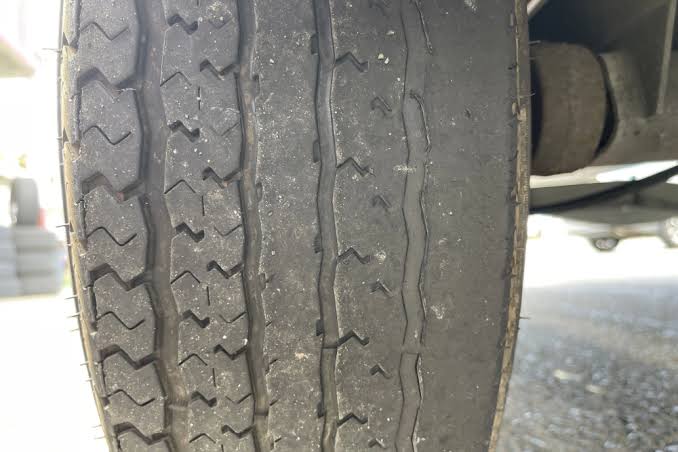
Uneven tyre wear can indicate an issue with your vehicle’s wheel alignment, tyre pressure, suspension components, or steering system, potentially affecting handling, braking, and tyre lifespan. Our uneven tyre wear inspection helps identify the cause by examining tyre tread patterns, checking inflation pressure, and assessing wheel alignment and relevant suspension and steering components. Common causes include incorrect wheel alignment, unbalanced wheels, worn suspension joints, damaged shocks or struts, and inconsistent tyre pressure. Identifying the underlying problem helps determine the appropriate correction, prevent premature tyre replacement, and improve driving stability. Book an inspection to find out why your tyres are wearing unevenly and get the right recommendations for your vehicle. Addressing uneven wear early can help extend tyre life and support safer driving.

Valve cover gasket is leaking Inspection

A leaking valve cover gasket can allow engine oil to escape from the top of the engine, causing oil stains, burning oil smells, smoke when oil reaches hot components, and reduced oil levels. Our valve cover gasket leak inspection helps confirm the source of the leak by checking the gasket, valve cover, surrounding seals, and nearby engine components for signs of oil seepage or damage. We assess the condition of the affected parts to determine whether the gasket needs replacement or additional repairs are required. Prompt diagnosis helps prevent continued oil loss, reduce the risk of damage to nearby components, and avoid more expensive engine repairs. Book an inspection to identify the source of the oil leak and get the right repair for your vehicle. If you notice heavy smoke, a significant oil leak, or an oil pressure warning light, stop driving when safe and arrange professional assistance.

Squealing noise from brakes Inspection Service

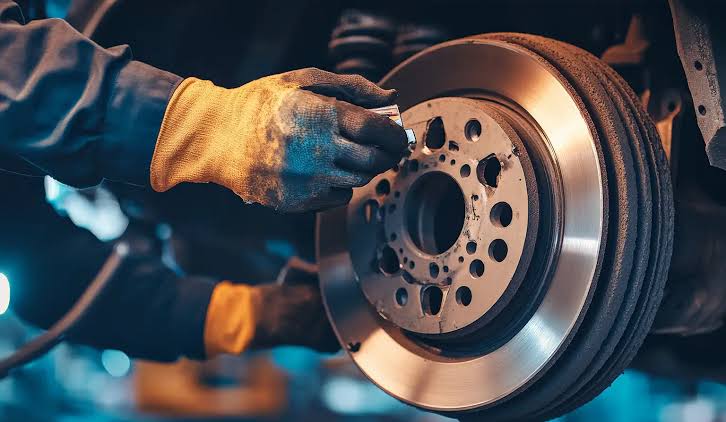
A squealing noise from your brakes can indicate worn brake pads, glazed braking surfaces, dust or debris between brake components, or other issues affecting the braking system. Our brake squealing inspection helps identify the source of the noise by checking the brake pads, discs, calipers, and related components for wear, contamination, or damage. We assess the condition of the braking system to determine the appropriate repair and help prevent unnecessary parts replacement. Prompt diagnosis can restore quieter braking, maintain reliable stopping performance, and reduce the risk of further damage to expensive brake components. Book an inspection to find out why your brakes are squealing and get the right repair for your vehicle. If the noise is accompanied by grinding, reduced braking performance, or a brake warning light, arrange professional assistance promptly.

Squealing noise when steering wheel is turned Inspection Service

A squealing noise when turning the steering wheel can indicate a problem with the power steering system, drive belt, steering components, or suspension. Our steering noise inspection service helps identify the cause, which may include low power steering fluid, a leaking hose, a worn or loose drive belt, a failing power steering pump, or worn steering and suspension joints. We examine the relevant components to pinpoint the source of the noise and recommend the appropriate repair without unnecessary parts replacement. Prompt diagnosis helps restore smooth steering operation, prevent further component wear, and reduce the risk of costly repairs. Book an inspection to find out why your vehicle squeals when turning and get the right repair for your vehicle. If the steering becomes difficult or suddenly changes, stop in a safe place and arrange professional assistance.

Steering wheel does not turn car Inspection

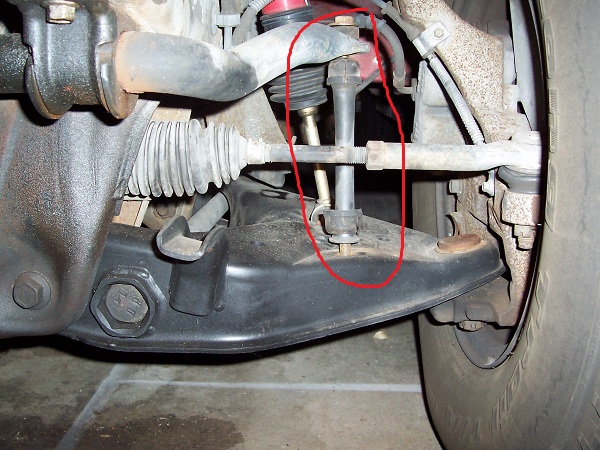
When your steering wheel turns but the car does not change direction as expected, or the steering wheel becomes difficult or impossible to turn, your vehicle may have a serious steering system fault. Our steering inspection helps identify possible causes, including damaged steering linkages, disconnected or worn tie rods, a faulty steering rack, power steering failure, or damaged steering and suspension components. We examine the steering mechanism and related systems to determine the source of the problem and recommend the correct repair. Prompt diagnosis helps restore proper steering control, protect essential components, and reduce the risk of further damage. Book an inspection to identify the fault and get the appropriate repair for your vehicle. **Do not drive the vehicle when the steering cannot reliably control its direction; arrange professional assistance or towing.**

Steering wheel does not respond properly Inspection

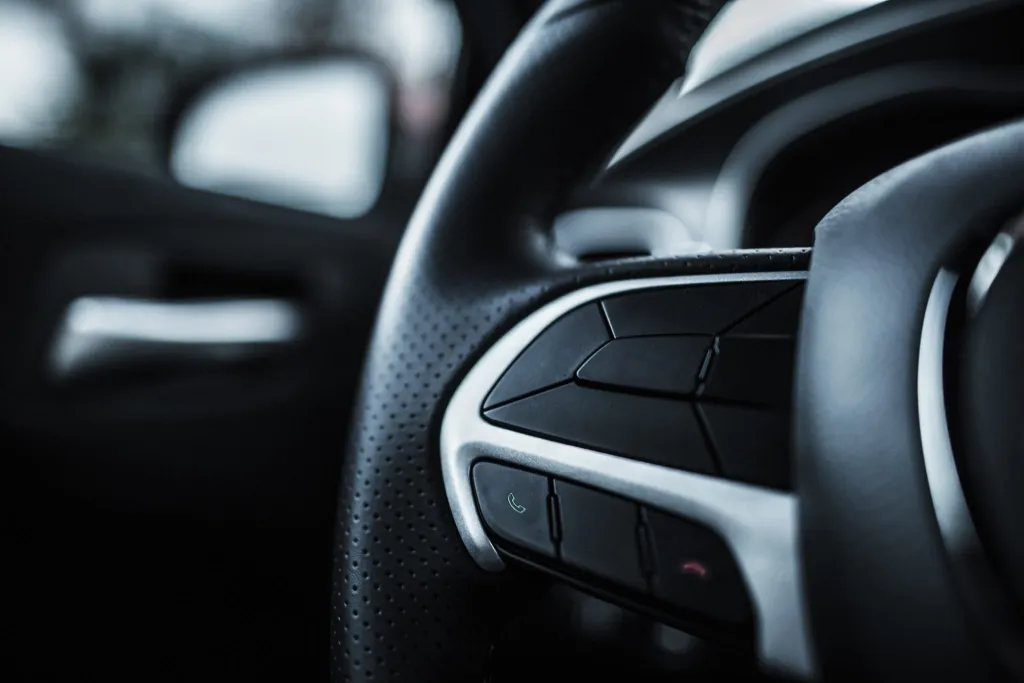
A steering wheel that does not respond properly can make your vehicle difficult to control and create a serious safety risk. Our steering system inspection helps identify the cause, which may include worn steering components, damaged tie rods, suspension faults, low power steering fluid, a failing power steering pump, or problems with the electric power steering system. We examine the relevant steering and suspension components to determine the fault and recommend the appropriate repair. Prompt diagnosis helps restore predictable steering response, improve vehicle handling, and prevent further damage to essential components. Book an inspection to identify the problem and get the right repair for your vehicle. Avoid driving when steering is unreliable or difficult to control; arrange professional assistance instead.

Search for products

Back to Top
Product has been added to your cart