Call us 24/7+254 700 031 732

Brake pedal is spongy Inspection

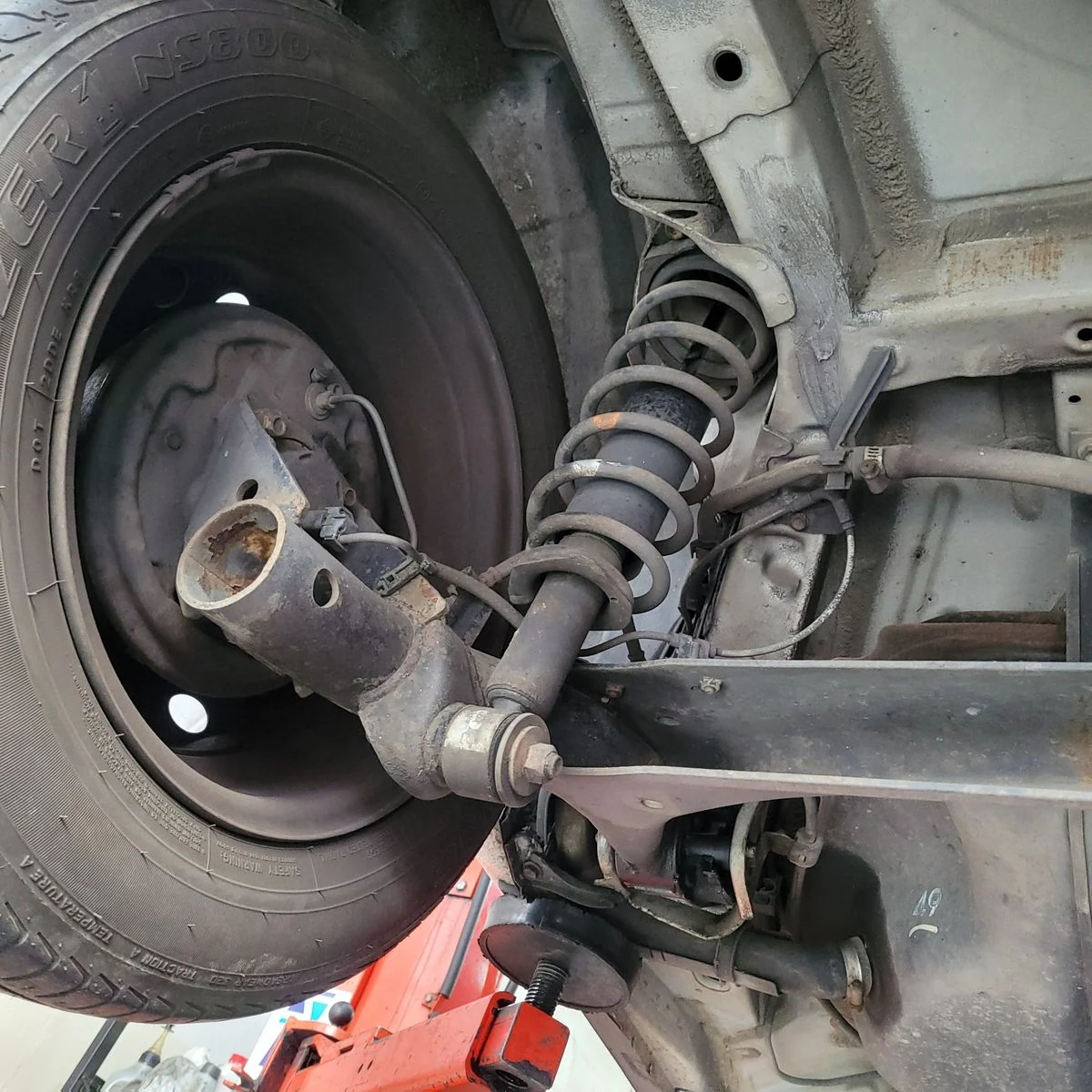
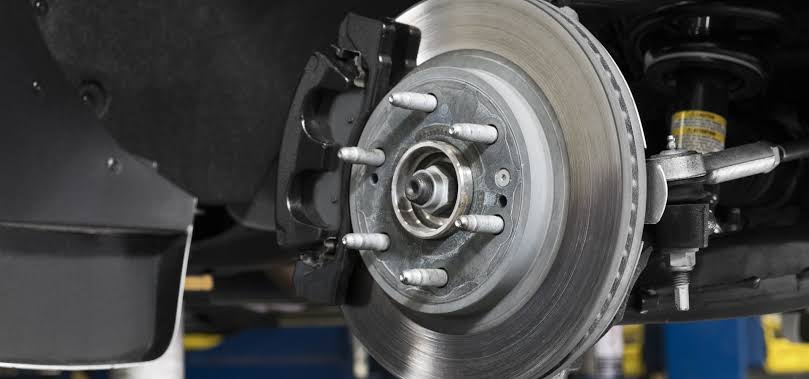
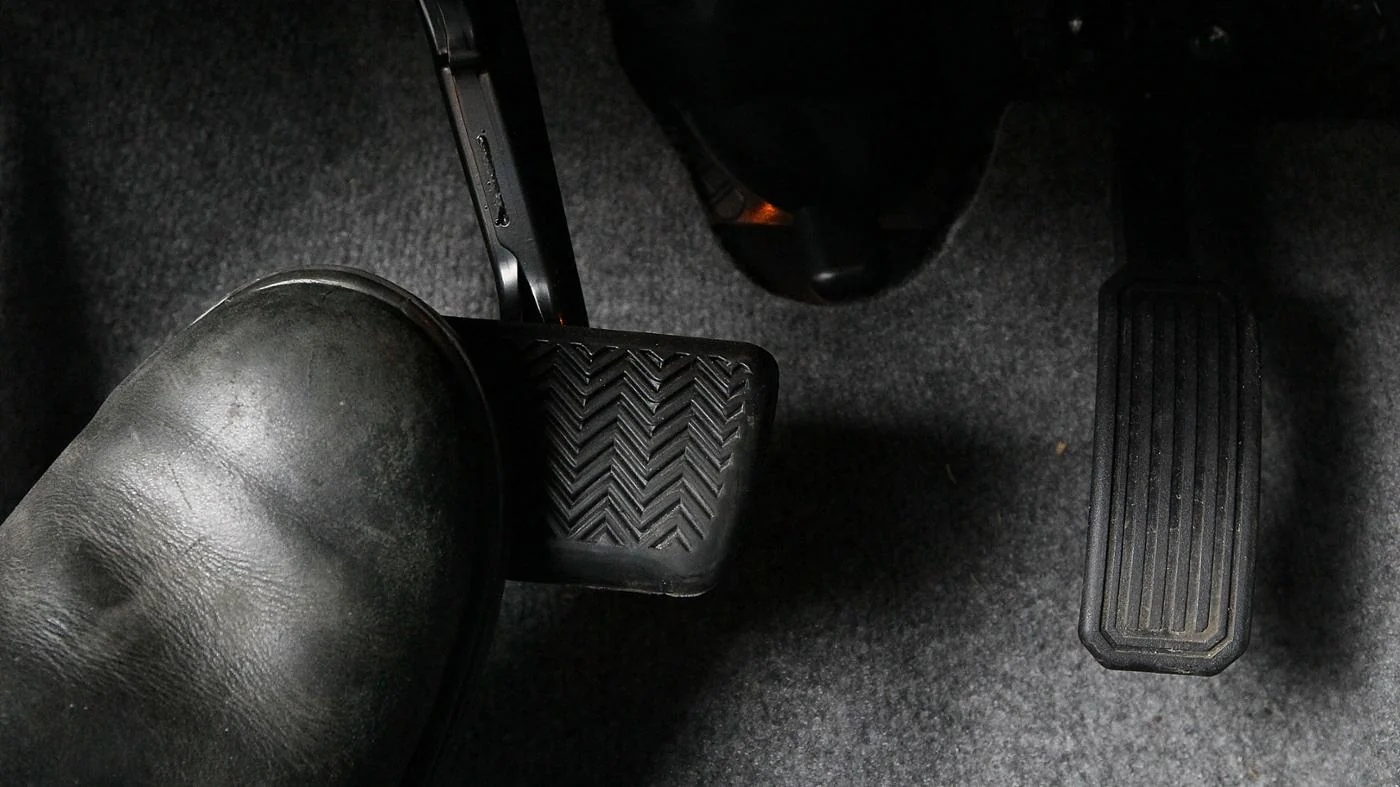
Soft, squishy brake pedal that feels like stepping on a sponge? A brake inspection pinpoints trapped air in hydraulic lines, degraded fluid, and failing master cylinders to restore firm, immediate stopping power.When the pedal feels soft or “mushy” underfoot, the primary culprit is often air bubbles trapped inside the brake lines or ABS modulator block. Unlike liquid, gases are highly compressible; when foot pressure is applied, energy is wasted compressing air pockets rather than pushing caliper pistons against the rotors.
Brake safety Inspection

Ensure your vehicle stops safely in all conditions with a comprehensive brake safety inspection. We evaluate brake pad thickness, rotor condition, hydraulic lines, and fluid quality to prevent costly repairs and accidents.A brake safety inspection is a vital preventative diagnostic procedure designed to evaluate every critical component of a vehicle’s stopping system to ensure maximum road safety and performance.

Brakes must be pumped to work Inspection

Brakes only work after pumping the pedal several times? A brake pumping inspection identifies master cylinder pressure leaks, air trapped in lines, and loose wheel bearings to restore instant stopping power. An inspection for brakes that must be pumped to work involves diagnosing severe hydraulic pressure loss, trapped air pockets, or mechanical component misalignment within the stopping system.

Battery Light is on Inspection

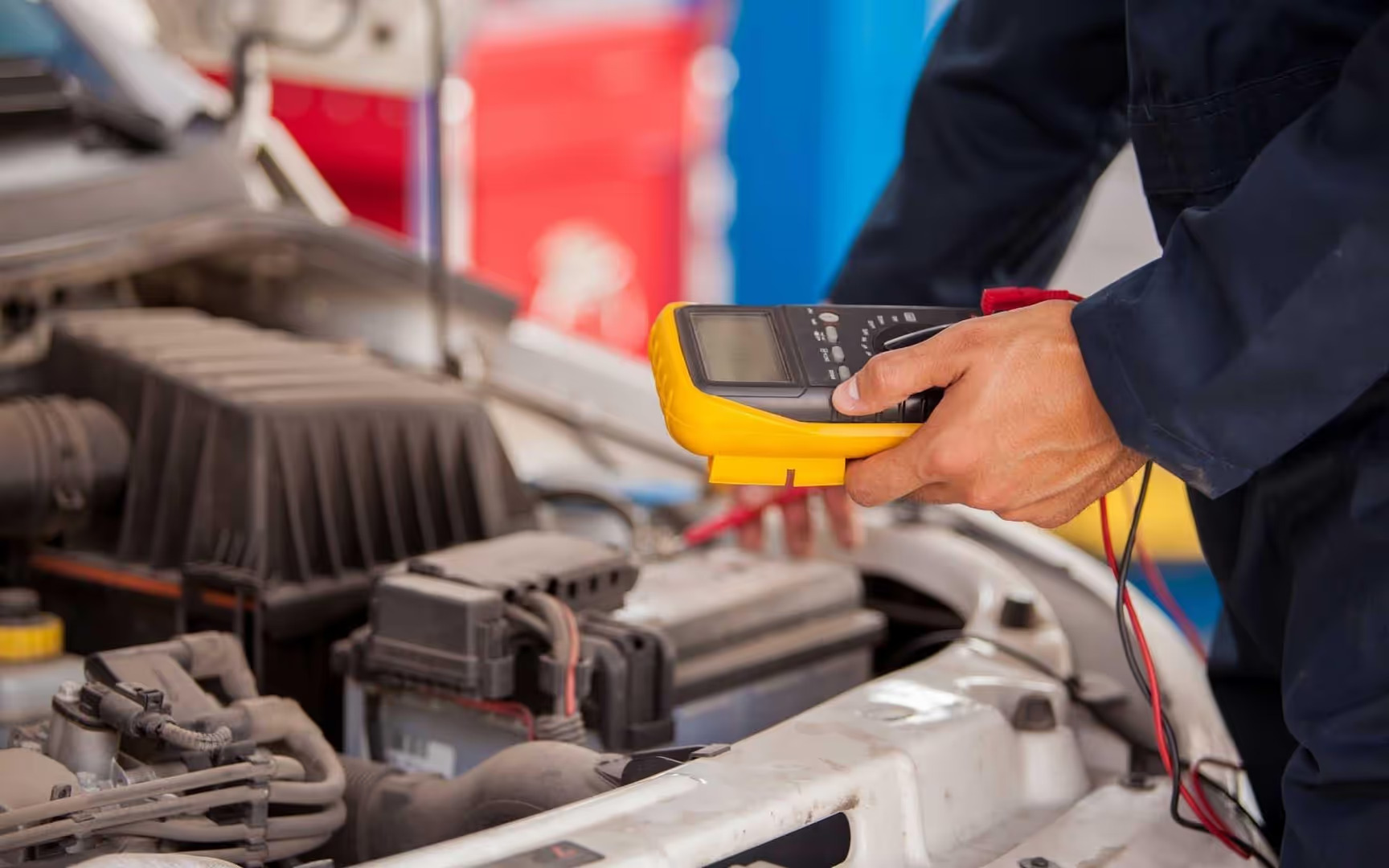
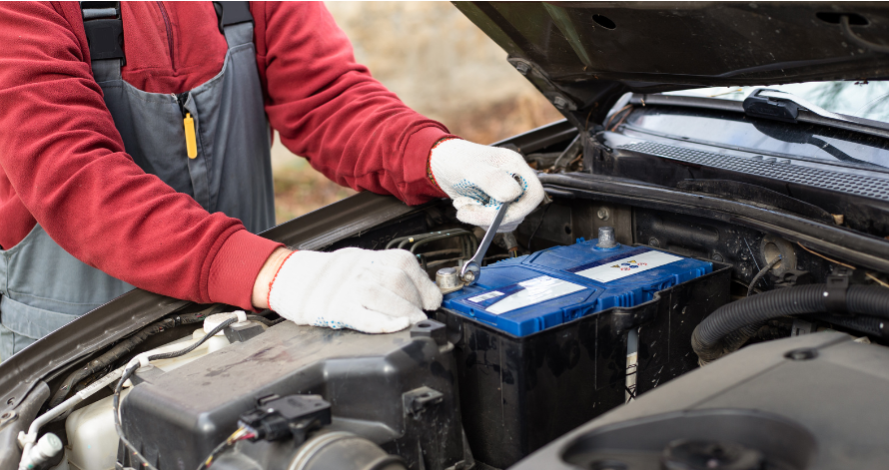
An inspection for an illuminated battery light involves diagnosing the vehicle’s electrical charging system to determine why the battery is not receiving proper voltage while the engine is running.Battery warning light illuminated on your dashboard, dim headlights, or engine stalling while driving? A charging system inspection tests the alternator, battery, and serpentine belt to prevent roadside breakdowns.

Battery is dead Inspection

Battery warning light illuminated on your dashboard, dim headlights, or engine stalling while driving? A charging system inspection tests the alternator, battery, and serpentine belt to prevent roadside breakdowns.An inspection for an illuminated battery light involves diagnosing the vehicle’s electrical charging system to determine why the battery is not receiving proper voltage while the engine is running.

Battery will not hold a charge Inspection

Stiff brake pedal requiring extreme foot pressure to slow down or stop? A brake pedal inspection diagnoses vacuum booster failures, check valve leaks, and caliper seize issues to restore safe, power-assisted braking.An inspection for a hard-to-push brake pedal involves evaluating the vehicle’s power-assist brake system and hydraulic circuit to locate the source of lost power assistance or mechanical resistance.

Brake Pedal is hard to push Inspection

tiff brake pedal requiring extreme foot pressure to slow down or stop? A brake pedal inspection diagnoses vacuum booster failures, check valve leaks, and caliper seize issues to restore safe, power-assisted braking.The technician performs a booster vacuum hold test to check for internal rubber diaphragm tears or leaking front and rear pushrod seals.

ABS Light is on Inspection

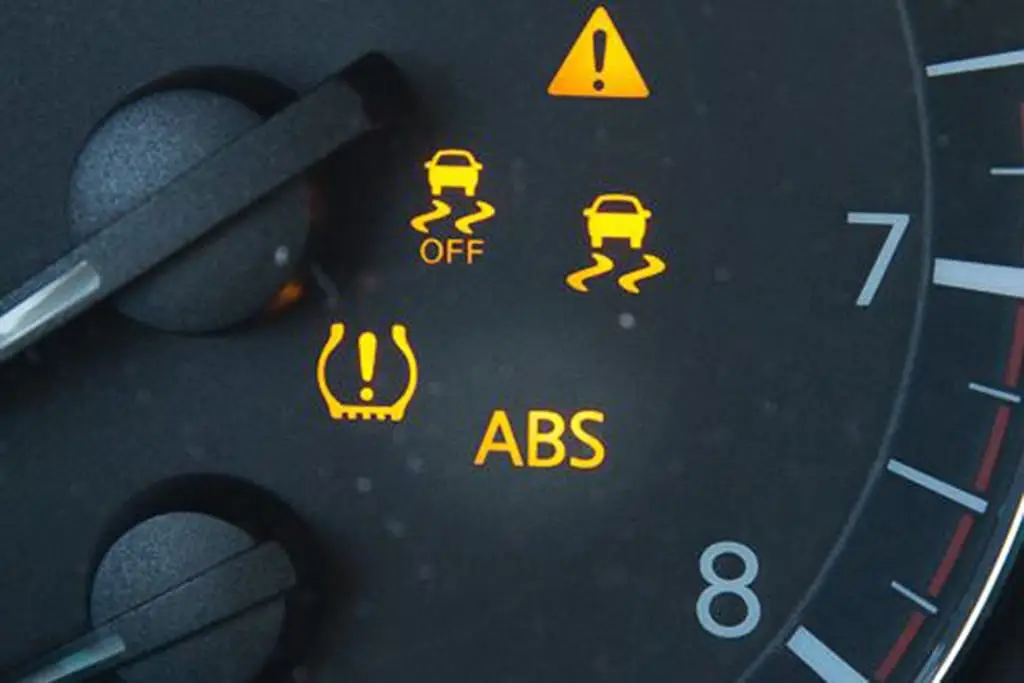
ABS warning light glowing on your dashboard or traction control disabled? A professional ABS light inspection identifies faulty wheel speed sensors, hydraulic control unit failures, and module faults to restore safe anti-lock braking.An ABS light inspection involves a comprehensive diagnostic evaluation of the Anti-Lock Braking System (ABS) to identify why the electronic control module has detected a system fault and illuminated the dashboard warning light.

AC is not working Inspection

Air conditioner blowing warm air, weak airflow from vents, or strange noises when turning on the AC? A professional AC system inspection diagnoses refrigerant leaks, compressor failures, and electrical faults to restore freezing cold air.An AC system inspection is a thorough diagnostic procedure designed to pinpoint why a vehicle’s air conditioning system is failing to cool the cabin or maintain proper airflow. Auto air conditioning relies on a sealed closed-loop circuit involving an AC compressor, condenser, expansion valve, evaporator core, and chemical refrigerant to extract heat and humidity from the interior air.

Search for products

Back to Top
Product has been added to your cart