Call us 24/7+254 700 031 732

Car idle is rough Inspection

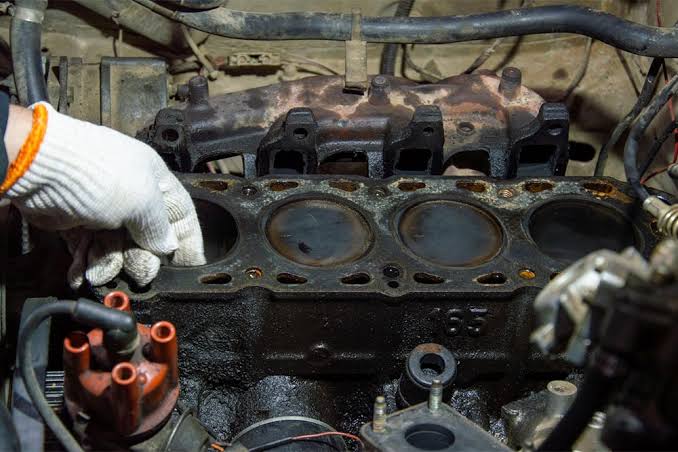
Engine shaking, sputtering, or hunting for RPM while stopped at red lights? A rough idle inspection pinpoints vacuum leaks, misfires, dirty throttle bodies, and faulty sensors to restore smooth engine idle.An inspection for a rough idle involves diagnosing air, fuel, ignition, and mechanical balance issues that prevent the internal combustion engine from operating smoothly at low RPMs. When a vehicle is idling,
Car is hard to shift Inspection

Stiff gear lever, grinding noises during gear changes, or difficulty selecting gears? A hard-to-shift inspection pinpoints clutch linkage drag, low transmission fluid, worn synchronizers, and shifter cable wear.In manual vehicles, hard shifting is frequently caused by a dragging clutch that fails to fully disengage from the flywheel when the pedal is pressed; this is often due to low clutch hydraulic fluid, air in the slave cylinder line, or a worn pressure plate diaphragm spring. In both manual and automatic systems, degraded or low transmission fluid increases internal friction, prevents gear synchronizers from matching shaft speeds smoothly, and leads to harsh or binding gear selection.

Brake Warning Light is on Inspection

Red or amber brake warning light glowing on your dashboard? A comprehensive brake system inspection diagnoses low fluid, worn brake pads, parking brake switch faults, and hydraulic leaks to keep you safe on the road.The most common trigger is low hydraulic fluid in the master cylinder reservoir, which naturally drops as brake pads wear down and caliper pistons extend further, or indicates an active fluid leak in a brake line, rubber flex hose, or wheel cylinder.

Brake fluid is black or brown Inspection

Dark, brown, or black brake fluid on your dipstick or reservoir? A brake fluid inspection measures moisture contamination, degradation levels, and rubber seal wear to protect your master cylinder and ABS system.As water mixes with the fluid, the boiling point drops dramatically, increasing the risk of vapor lock during heavy braking. The fluid turns dark brown or black as internal temperatures bake the mixture and breakdown products dissolve internal rubber seals, flexible brake lines, and master cylinder cup seals into fine particulate sludge. Dark fluid also contains dissolved copper and iron particles from oxidizing steel brake lines, which can form abrasive sludge that jams sensitive solenoids inside expensive ABS control modules.

Brake fluid is leaking Inspection

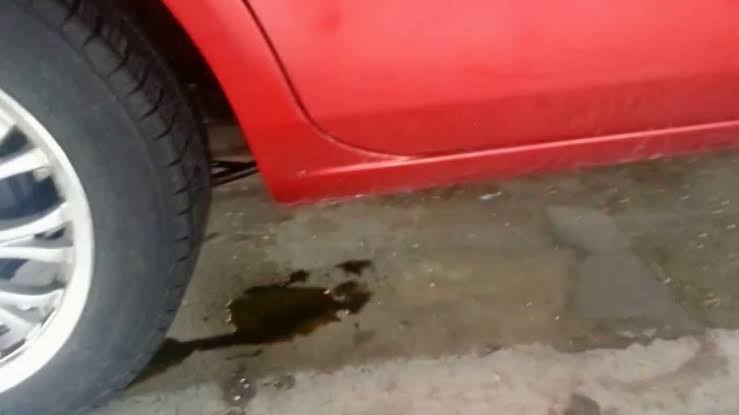
Oily puddle near your tires, spongy brake pedal, or low reservoir level? A brake fluid leak inspection traces hydraulic line cracks, caliper seal tears, and master cylinder leaks to protect your stopping power.When a leak occurs—whether from rusted or pitted steel brake lines, dry-rotted rubber flex hoses, blown master cylinder secondary seals, or weeping caliper piston dust boots—air enters the sealed circuit while fluid escapes. Because air compresses under pressure while fluid does not, a leak quickly causes the brake pedal to feel soft or spongy, eventually allowing the pedal to sink completely to the floorboards and severely compromising stopping ability.

Brake light is not working Inspection

Brake lights failing to illuminate when pressing the pedal? A brake light inspection diagnoses burnt bulbs, blown fuses, faulty brake switches, and wiring short circuits to keep you safe and legal.During the inspection, a certified technician checks the physical condition of all brake light bulbs and socket housings for moisture ingress or melted contacts. Using a digital multimeter and circuit test light, the technician measures voltage delivery at the socket, tests fuse continuity, and verifies that the brake pedal switch opens and closes properly when compressed.

Brake pedal is lower than usual Inspection

As friction linings wear down excessively, the caliper and wheel cylinder pistons must travel further outward to contact the friction surfaces, consuming extra hydraulic fluid volume from the reservoir and causing a low pedal feel. Alternatively, worn internal cup seals inside the master cylinder can allow brake fluid to bypass the primary piston under pressure, causing the pedal to slowly sink under steady foot pressure without external fluid loss.Brake pedal sinking lower than normal or requiring extra travel before slowing down? A brake pedal height inspection diagnoses low fluid, air in hydraulic lines, worn pads, and master cylinder bypass issues.

Brake pedal is spongy Inspection

Soft, squishy brake pedal that feels like stepping on a sponge? A brake inspection pinpoints trapped air in hydraulic lines, degraded fluid, and failing master cylinders to restore firm, immediate stopping power.When the pedal feels soft or “mushy” underfoot, the primary culprit is often air bubbles trapped inside the brake lines or ABS modulator block. Unlike liquid, gases are highly compressible; when foot pressure is applied, energy is wasted compressing air pockets rather than pushing caliper pistons against the rotors.

Search for products

Back to Top
Product has been added to your cart