Call us 24/7+254 700 031 732

Power Seat Switch Repair

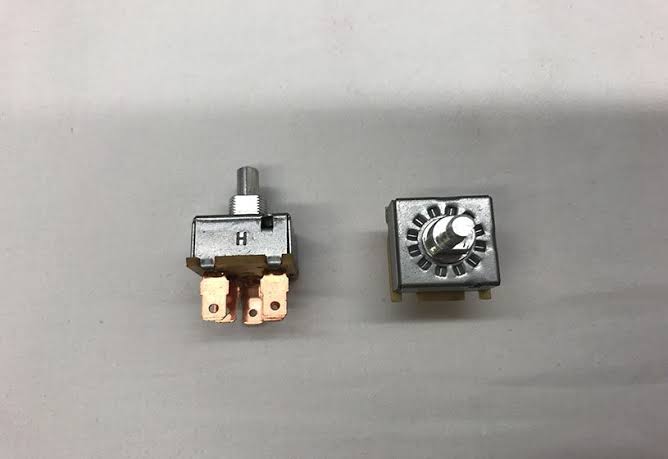
Power seat switch repair helps restore proper electric seat adjustment when the seat fails to move, responds intermittently, or cannot adjust in one or more directions. The power seat switch controls the electric motors responsible for moving the seat forward and backward, raising or lowering its position, and adjusting the seatback angle, depending on the vehicle’s design. A faulty switch can make it difficult to achieve a comfortable driving position or maintain convenient access to the seat controls. During this service, a technician inspects the power seat switch, electrical connectors, wiring, fuses, and seat adjustment motors to identify the cause of the malfunction. Where possible, the switch is repaired by addressing faulty contacts, loose connections, or other serviceable defects. If the switch is damaged beyond repair, replacement with a compatible component may be necessary. The technician then tests the available seat adjustment functions to confirm that the controls respond correctly and the seat moves smoothly in the intended directions. If a defective motor, damaged wiring, or a mechanical obstruction is identified, additional repairs may be required. Repairing a faulty power seat switch helps restore convenient seat adjustment, supports proper driving posture, and improves everyday cabin comfort.
Turn Signal Switch Replacement

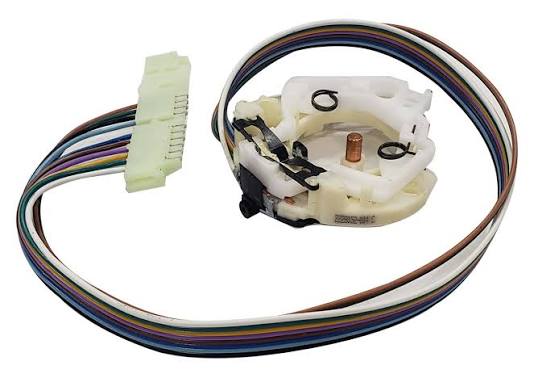
A turn signal switch replacement service addresses problems with indicators that fail to activate, stop flashing, or operate inconsistently when you use the turn signal control. The turn signal switch allows you to activate the left or right indicators to communicate your intention to turn or change lanes. When the switch becomes faulty, other road users may not receive clear warning of your movements, increasing the risk of misunderstandings in traffic. During this service, a technician checks the indicator controls, tests the turn signal circuit, and inspects the switch and its electrical connections to identify the cause of the malfunction. If the switch is defective, it is replaced with a compatible component designed for your vehicle. The technician then tests the left and right indicators, checks that the switch operates correctly, and verifies that the signals cancel automatically after a turn where the vehicle is designed to do so. Replacing a faulty turn signal switch helps restore reliable indicator operation, improves communication with other road users, and supports safer driving when turning or changing lanes.

Brake Light Switch Replacement

A brake light switch replacement service addresses problems caused by a faulty switch that prevents your brake lights from illuminating when you press the brake pedal or causes them to remain on continuously. The brake light switch detects pedal movement and signals the vehicle’s brake lights to activate, helping drivers behind you recognise when you are slowing down or stopping. When the switch fails, you may also experience issues with cruise control operation or difficulty shifting an automatic transmission out of Park, depending on your vehicle’s design. During this service, a technician inspects the switch and its electrical connections, confirms the cause of the fault, and replaces the switch if necessary. The brake lights and any related functions are then tested to verify proper operation. Replacing a defective brake light switch helps restore reliable brake light response, supports road safety, and ensures your vehicle’s braking-related electrical systems function as intended.

Combination Switch Assembly Replacement

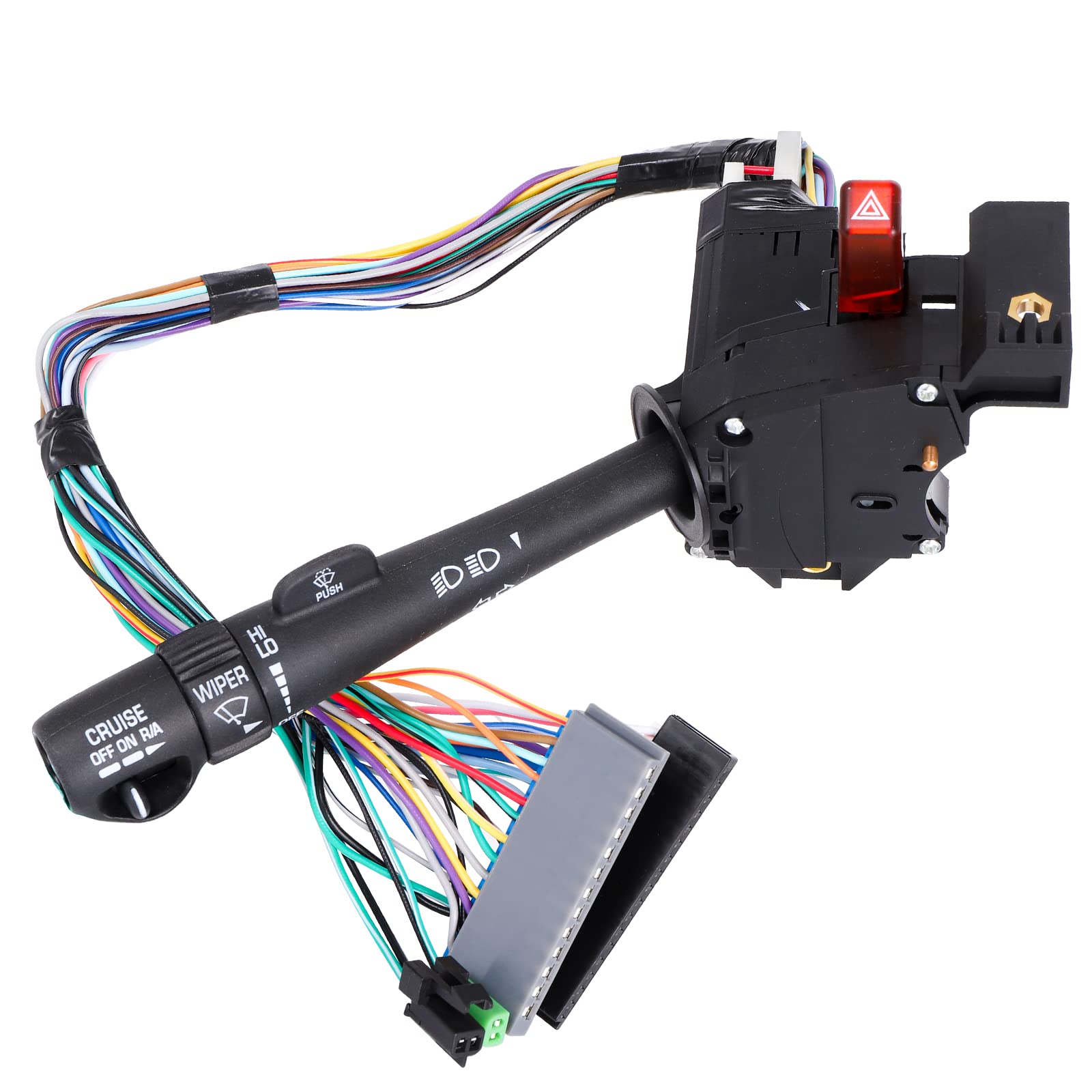
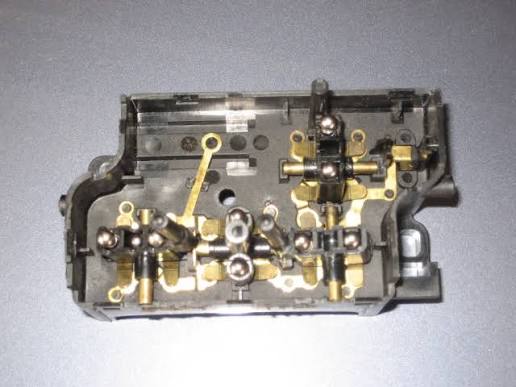
Combination switch assembly replacement helps restore proper operation of steering-column controls when the turn signals, headlights, high beams, or windshield wipers fail to respond correctly, operate intermittently, or stop working. The combination switch assembly allows the driver to control these essential functions without taking their hands away from the steering wheel for extended periods. A faulty assembly can affect visibility, signalling, and the driver’s ability to communicate intentions to other road users. During this service, a technician inspects the combination switch, electrical connectors, wiring, fuses, and related control systems to identify the source of the fault. The defective assembly is removed and replaced with a compatible unit designed for the vehicle’s make, model, and steering-column configuration. The technician reconnects the electrical components and tests the turn signals, headlight settings, high beams, and windshield wipers, as applicable, to confirm that each function operates correctly. If damaged wiring, connectors, or related components are identified, additional repairs may be necessary. Replacing a faulty combination switch assembly helps restore reliable control of essential vehicle functions, supports clear communication with other road users, and promotes safer driving.

Car Door Lock Switch Replacement

Door lock switches are electrical rocker switches that are used to lock and unlock car doors. When you activate the switch, it sends a signal to the door lock relay to activate the door lock actuator inside the door. Due to frequent use, the switches and electrical currents running through them eventually fail, requiring replacement.


Many modern vehicles have a complete lock assembly which needs to be replaced if the switch dies.


Test the operation of the electric door locks. | Test the fuse for that circuit. | Test the relay. | Replace the faulty door lock switch. | Test for proper operation of electric door locks.


Door lock systems are not a part of regular maintenance, but it’s not rare for the switches to die. If you notice that your vehicle is not locking and unlocking when you press the corresponding buttons, it’s time to schedule an inspection.


The door lock switch acts as a remote for the door lock actuator, which is responsible for locking and unlocking your vehicle’s doors. When you press the lock or unlock button, the switch triggers the actuator, and the door is locked or unlocked. When the lock switch dies, the actuator has no way of being activated, and your door locks will stop functioning.

Headlight Switch Replacement

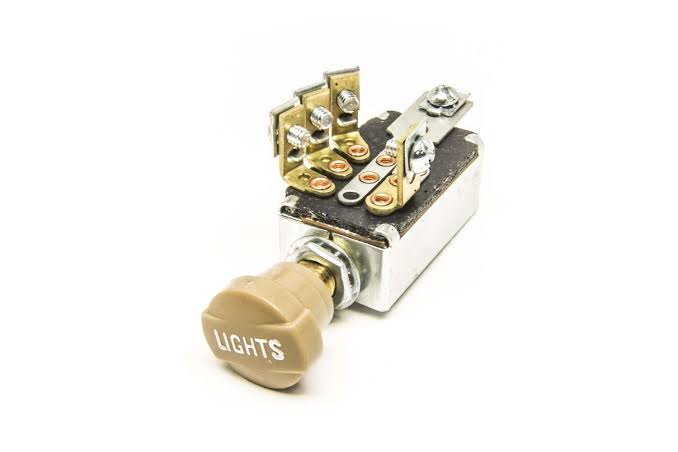
Headlight switch replacement helps restore reliable headlight control when the headlights fail to turn on, operate intermittently, or do not respond correctly to the selected lighting settings. The headlight switch allows the driver to control the vehicle’s exterior lighting, including headlights and, depending on the vehicle, parking lights, tail lights, and dashboard illumination. A faulty switch can reduce visibility at night or in poor weather conditions and may prevent other road users from seeing the vehicle clearly. During this service, a technician inspects the headlight switch, electrical connectors, wiring, fuses, relays, and related lighting components to identify the cause of the problem. The defective switch is removed and replaced with a compatible component designed for the vehicle’s make and model. The technician checks the electrical connections and tests the available lighting settings, including low beams, high beams, parking lights, and other switch-controlled functions where applicable. If damaged wiring, faulty relays, or other lighting system problems are identified, additional repairs may be necessary. Replacing a faulty headlight switch helps restore dependable lighting control, improves visibility in low-light conditions, and supports safer driving.

Neutral Safety Switch Replacement

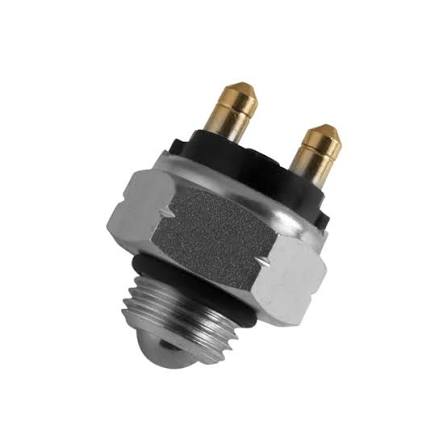
Neutral safety switch replacement helps restore proper starting and gear position detection when a vehicle with an automatic transmission fails to start in Park or Neutral, starts intermittently, or displays symptoms of an incorrect gear position signal. The neutral safety switch prevents the engine from starting in unsafe gear positions, helping reduce the risk of unexpected vehicle movement during startup. A faulty switch can also affect reverse lights or transmission-related signals on some vehicles. During this service, a technician inspects the neutral safety switch, transmission range mechanism, electrical connectors, wiring, and related starting system components to identify the cause of the fault. The defective switch is removed and replaced with a compatible component designed for the vehicle’s transmission system. The technician adjusts the switch where required and tests the starting function in the permitted gear positions, checks the gear position signals, and verifies other switch-controlled functions where applicable. If damaged wiring, a misaligned selector mechanism, or other transmission or starting system faults are identified, additional repairs may be necessary. Replacing a faulty neutral safety switch helps restore reliable starting system operation, supports the vehicle’s intended safety interlock function, and promotes safer vehicle use.

Car AC Control Switch Replacement

Modern cars have much more advanced climate control technology than they had a few decades ago. It’s now commonplace for air conditioning to be included as standard equipment. That equipment has also become more efficient and is capable of providing greater comfort. Controlling the system is pretty simple – you press a button to turn on the air conditioner, and then adjust the cooling level and fan speed to your needs. The AC control switch is what allows you to turn the air conditioner on and off, essentially operating the entire system with a push of a button. When the button is pressed, the AC circuit is powered up from the relay so the interior can be cooled. However, like all electronic components, the AC control switch is susceptible to wear and tear.


The AC control switch is located behind the trim panels on your car’s HVAC system and should not | be accessed without the proper tools and knowledge. Without an operating switch, the AC will not work.


The AC control panel is removed from the center of the dash | The defective AC control switch is removed from the control panel | The new AC control switch is installed into the panel | The AC control panel is reinstalled into the center of the dash | The AC control switch is tested for proper AC operation


Without an operating AC control switch, you have no way of turning your air conditioning on. Normal wear and tear through regular use can eventually wear out the switch. Because replacing the switch involves accessing the actual AC control system behind the dash, have one of our expert mechanics perform the repair.


Your car’s air conditioning system is important for your comfort. Without a working AC control switch, you can’t use your AC, so it’s important that the switch is replaced when it fails. Have one of our expert mechanics inspect and repair the AC system, including a faulty AC control switch, if it is faulty.

Reverse Lights Switch Replacement

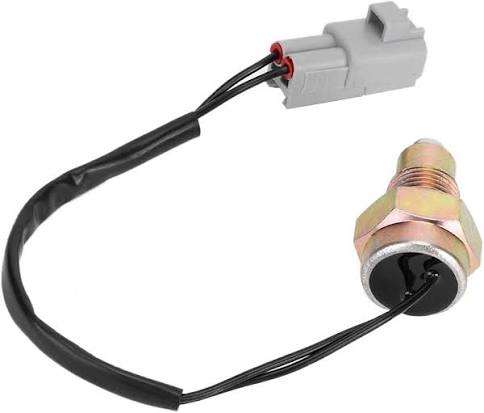
Reverse lights switch replacement restores proper reverse light operation when the lights fail to illuminate, remain on continuously, or work intermittently when reverse gear is selected. The switch detects when the transmission is shifted into reverse and activates the reverse lights, helping alert pedestrians and other drivers while improving visibility behind the vehicle. During this service, a technician inspects the reverse lights, bulbs, fuses, wiring, electrical connectors, and switch to identify the cause of the fault. A defective switch is removed and replaced with a compatible component suited to the vehicle’s transmission system. The technician checks the electrical connections and tests the lights to confirm that they illuminate when reverse gear is engaged and switch off when it is disengaged. If damaged wiring, connectors, or other electrical components are identified, additional repairs may be required. Replacing a faulty reverse lights switch helps restore reliable reverse light operation, improves visibility when reversing, and supports safer vehicle manoeuvring.

Blower Motor Switch Replacement

Blower motor switch replacement helps restore proper operation of the vehicle’s heating, ventilation, and air conditioning (HVAC) fan when the blower fails to turn on, works only at certain speed settings, or operates intermittently. The blower motor switch allows the driver to control airflow through the cabin by selecting the desired fan speed. A faulty switch can make it difficult to maintain comfortable cabin temperatures, clear misted windows, or circulate air effectively. During this service, a technician checks the blower motor switch, electrical connectors, wiring, fuses, and related HVAC controls to identify the cause of the problem. The defective switch is removed and replaced with a compatible component designed for the vehicle. The technician inspects the connections, verifies the operation of the blower motor at the available speed settings, and confirms that the heating and air conditioning systems deliver the expected airflow. If damaged wiring, a faulty blower motor resistor, or a defective blower motor is identified, additional repairs may be necessary. Replacing a faulty blower motor switch helps restore reliable fan speed control, improve cabin airflow, and support effective heating, ventilation, and air conditioning performance.

Search for products

Back to Top
Product has been added to your cart