Call us 24/7+254 700 031 732

Console Light Bulb Replacement

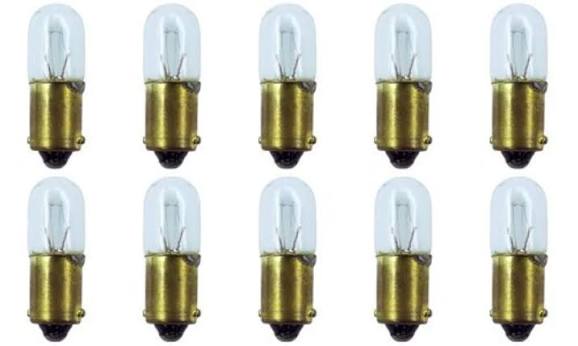
Console Light Bulb Replacement involves removing and replacing faulty bulbs that illuminate the vehicle’s centre console and control panel, making dashboard controls easier to see and operate in low-light conditions. Common symptoms include console buttons or controls failing to illuminate, dim lighting, flickering bulbs, or uneven illumination across the console. Technicians inspect the bulbs, sockets, and electrical connections, replace defective bulbs with the correct specifications, and test the console lighting to ensure proper illumination.

Courtesy Light Bulb Replacement

Courtesy Light Bulb Replacement involves removing and replacing faulty interior courtesy light bulbs to restore illumination when entering, exiting, or accessing the vehicle. Common symptoms include interior lights failing to turn on when doors are opened, dim illumination, flickering lights, or individual courtesy lights not working. Technicians inspect the bulbs, sockets, door switches, and electrical connections, replace defective bulbs with the correct specifications, and test the lighting system to ensure the courtesy lights operate properly when the doors are opened or closed.

Car Dome Light Bulb Replacement

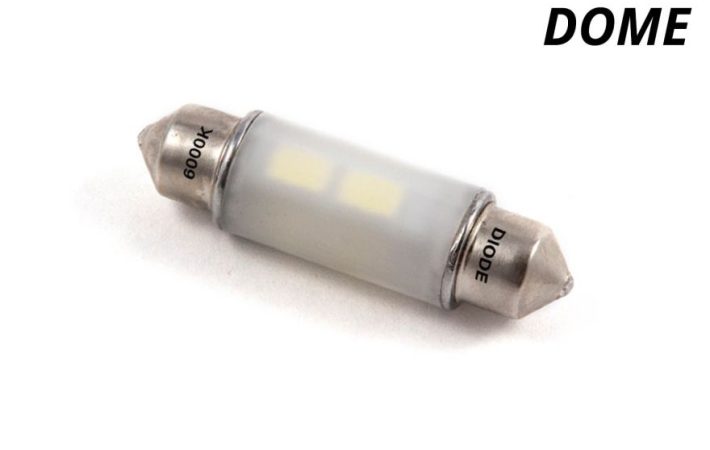
Car Dome Light Bulb Replacement involves removing and replacing a faulty dome light bulb to restore overhead interior lighting inside the vehicle. Common symptoms include the dome light failing to illuminate, flickering, dim lighting, or the light not working when doors are opened or the interior light switch is activated. Technicians inspect the bulb, socket, light switch, and electrical connections, install the correct replacement bulb, and test the dome light to ensure it operates properly in all available lighting modes.

Headlight Bulb Replacement

Headlight Bulb Replacement involves removing and replacing a faulty or worn-out headlight bulb to restore proper road illumination and driving visibility. Common symptoms include headlights failing to illuminate, dim lighting, flickering, or one headlight appearing significantly weaker than the other. Technicians inspect the bulb, socket, and electrical connections, install the correct replacement bulb according to the vehicle’s specifications, and test the headlights to ensure proper operation, brightness, and beam alignment.

Reverse Light Bulb Replacement

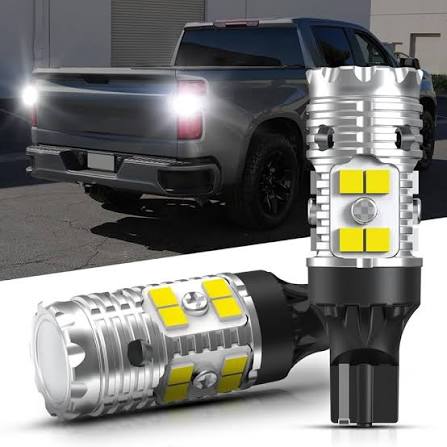
Reverse Light Bulb Replacement involves removing and replacing a faulty reverse light bulb to restore the vehicle’s rear reversing lights and improve visibility when backing up. Common symptoms include reverse lights failing to illuminate, intermittent operation, dim lighting, or one reverse light not working. Technicians inspect the bulb, socket, wiring, and electrical connections, install the correct replacement bulb, and test the reverse lights to ensure they illuminate properly when reverse gear is engaged.

Tail Light Bulb Replacement

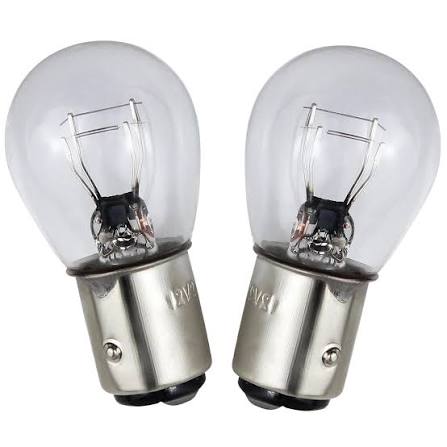
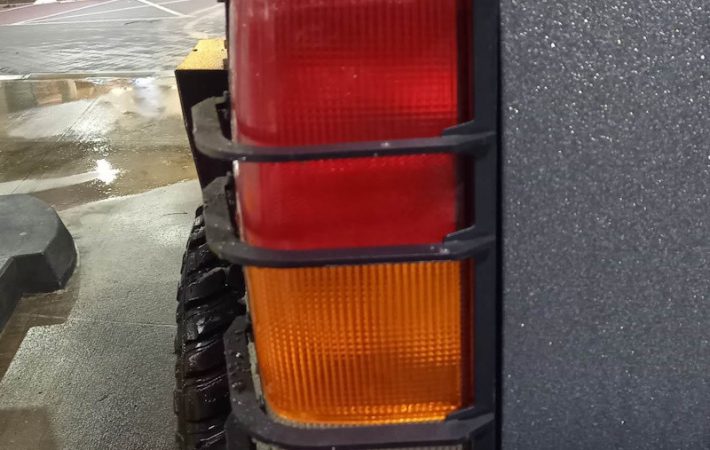
Tail Light Bulb Replacement involves removing and replacing a faulty tail light bulb to restore the vehicle’s rear lighting and visibility to other road users. Common symptoms include tail lights failing to illuminate, dim lighting, flickering, or one side of the rear lights not working. Technicians inspect the bulb, socket, and electrical connections, install the correct replacement bulb, and test the lighting system to ensure the tail lights illuminate properly when the headlights or parking lights are switched on.

Turn Signal Bulb Replacement

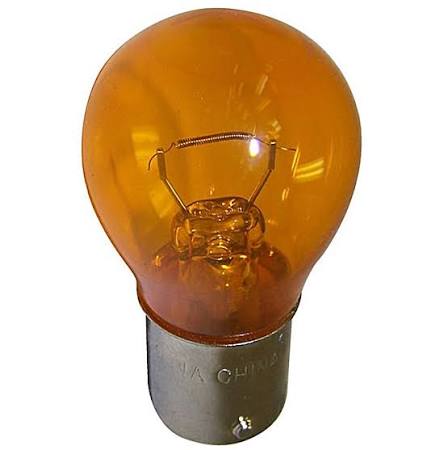
Turn Signal Bulb Replacement involves removing and replacing a faulty indicator bulb to restore the vehicle’s ability to signal turning and lane-changing intentions. Common symptoms include turn signals failing to illuminate, flashing faster than normal, intermittent operation, or one indicator appearing dim or not working. Technicians inspect the bulb, socket, and electrical connections, install the correct replacement bulb, and test both left and right indicators to ensure they flash at the correct rate and operate reliably.

Brake Light Bulb Replacement

Brake Light Bulb Replacement involves removing and replacing a faulty brake light bulb to restore the vehicle’s rear braking lights and ensure other road users are alerted when the brakes are applied. Common symptoms include brake lights failing to illuminate, intermittent operation, dim lighting, or one brake light not working. Technicians inspect the bulb, socket, brake light switch, and electrical connections, install the correct replacement bulb, and test the braking light system to ensure the brake lights illuminate properly whenever the brake pedal is pressed.

Search for products

Back to Top
Product has been added to your cart