Call us 24/7+254 700 031 732

Car jerks forward at high speeds Inspection

Vehicle lurching or jerking forward unexpectedly while cruising at highway speeds? A high-speed jerking inspection identifies transmission torque converter lockup slips, ignition misfires, and fuel pressure drops.An inspection for a car that jerks or surges forward at high speeds involves evaluating high-load ignition performance, steady-state fuel pressure delivery, and automatic transmission torque converter slip dynamics.

Car or Steering wheel shakes when braking Inspection

Steering wheel vibrating or brake pedal pulsating when slowing down? A brake shaking inspection pinpoints warped brake rotors, sticking calipers, loose wheel bearings, and worn suspension bushings.An inspection for a car or steering wheel that shakes during braking involves a comprehensive diagnostic measurement of the front braking hardware, wheel hub assemblies, and steering linkages.

Car overheats quickly Inspection

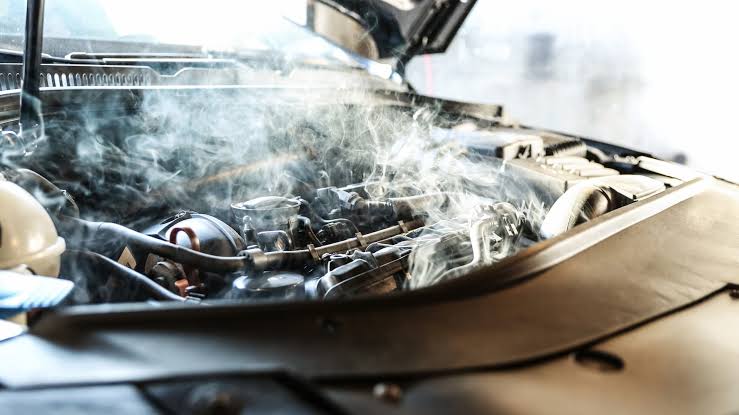
Engine temperature spiking rapidly within minutes of starting? A fast-overheating inspection identifies stuck-closed thermostats, severe coolant loss, water pump impeller failure, and blown head gaskets.An inspection for an engine that overheats quickly—often within just a few minutes of turning the ignition—involves an urgent diagnostic assessment of cooling fluid circulation, physical coolant volume, and cylinder head sealing integrity.

Car pulls in one direction Inspection

Vehicle constantly drifting, pulling, or steering to one side on straight roads? A car pulling inspection identifies wheel misalignment, uneven tire pressure, dragging brake calipers, and worn suspension joints.An inspection for a car that pulls to one side involves a comprehensive evaluation of wheel alignment geometry, tire condition, suspension component wear, and brake caliper release dynamics.

Car shudders when turning Inspection

Being able to turn smoothly and confidently is an essential part of driving. If all of your
car’s various systems are working properly, you’ll have very little issue turning. However, if
you’re noticing that the car shudders when turning, or that there’s a vibration either in
the wheel or the driver’s seat during a turn, it means there’s something going wrong.
Other potential things to pay attention to while it’s happening include listening for a
whining sound, and listening for a clunking or knocking sound.

Car shuts off when stepping on gas pedal Inspection

Engine dying or stalling immediately when pressing the gas pedal? A stepping-on-gas stalling inspection diagnoses severe vacuum leaks, failed MAF sensors, weak fuel pumps, and clogged throttle bodies.Pressing the accelerator opens the throttle plate, instantly drawing a large volume of air into the engine; the engine control module (PCM) must immediately match this sudden air charge with a proportional pulse of fuel and ignition spark advance. If the air-fuel mixture leans out excessively during this transition, combustion fails instantly and the engine dies.

Car starts and then dies Inspection

Engine fires up but stalls seconds later? A starts-and-dies inspection diagnoses security immobilizer lockouts, vacuum leaks, failing fuel pump relays, and dirty mass airflow sensors.An inspection for an engine that starts briefly and then immediately dies involves evaluating anti-theft security interlocks, ignition switch electrical continuity, transient fuel pressure maintenance, and intake airflow sensor readings.

Car surges when air conditioning is on Inspection

Engine surging, revving up and down, or lurching when the A/C is turned on? An A/C surging inspection diagnoses failing A/C compressor clutches, dirty throttle bodies, bad idle control valves, and low refrigerant.Turning on the air conditioning places a sudden, heavy mechanical load on the engine through the serpentine belt, while simultaneously increasing electrical demand to power the condenser cooling fans.

Car will not turn over Inspection

Turn the key or push start and hear nothing or a single click? A car will not turn over inspection diagnoses dead starter motors, discharged batteries, failed neutral safety switches, and blown ignition fuses.An inspection for a car that will not turn over (no crank) involves evaluating high-current electrical delivery, starter motor mechanical engagement, and electronic start-inhibit security interlocks.

Search for products

Back to Top
Product has been added to your cart