Call us 24/7+254 700 031 732

Exhaust fume odor in car Inspection

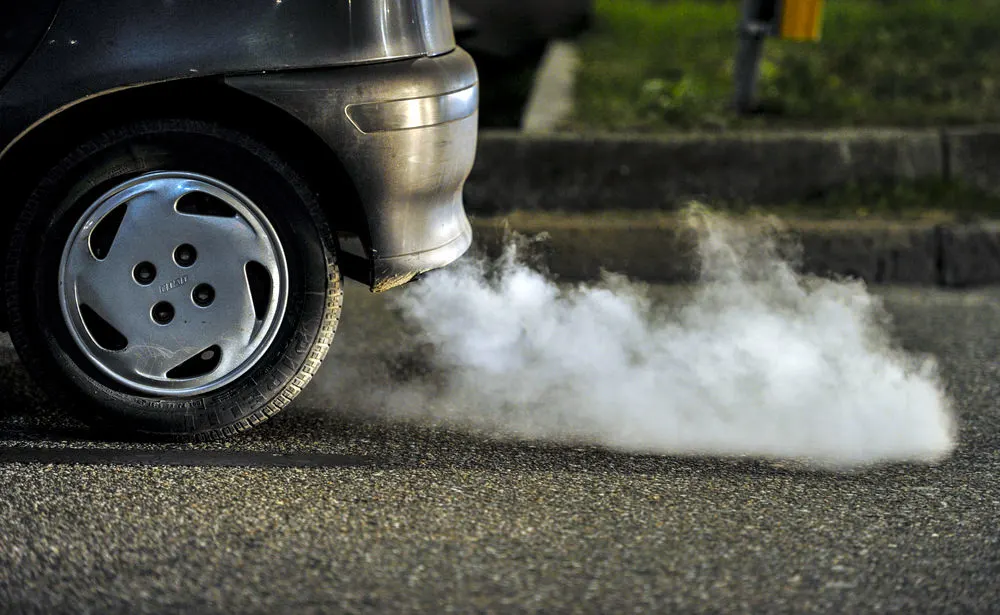
If you notice exhaust fumes inside your vehicle, it could indicate an exhaust leak, damaged exhaust components, faulty seals, or another problem allowing harmful gases into the cabin. Our exhaust fume odor inspection helps identify the source of the smell and determine the necessary repairs, helping protect you and your passengers from dangerous fumes, including carbon monoxide. Addressing the problem promptly can also improve cabin air quality and ensure your exhaust system operates properly. For your safety, stop driving, get out of the vehicle, and arrange professional assistance if exhaust fumes enter the cabin.

Fan speed control is not working Inspection

Is your vehicle’s fan speed control not working, or can you only use certain fan settings? Our fan speed control inspection helps identify the cause, whether it involves a faulty blower motor resistor, damaged fan switch, worn blower motor, wiring problem, or malfunctioning climate control unit. Finding the fault helps restore proper airflow adjustment, improve cabin comfort, and ensure your heating and air conditioning system operates more effectively. Get the problem diagnosed early to avoid unnecessary parts replacement and enjoy better control over your vehicle’s interior temperature and ventilation.

Clutch is not fully disengaging Inspection

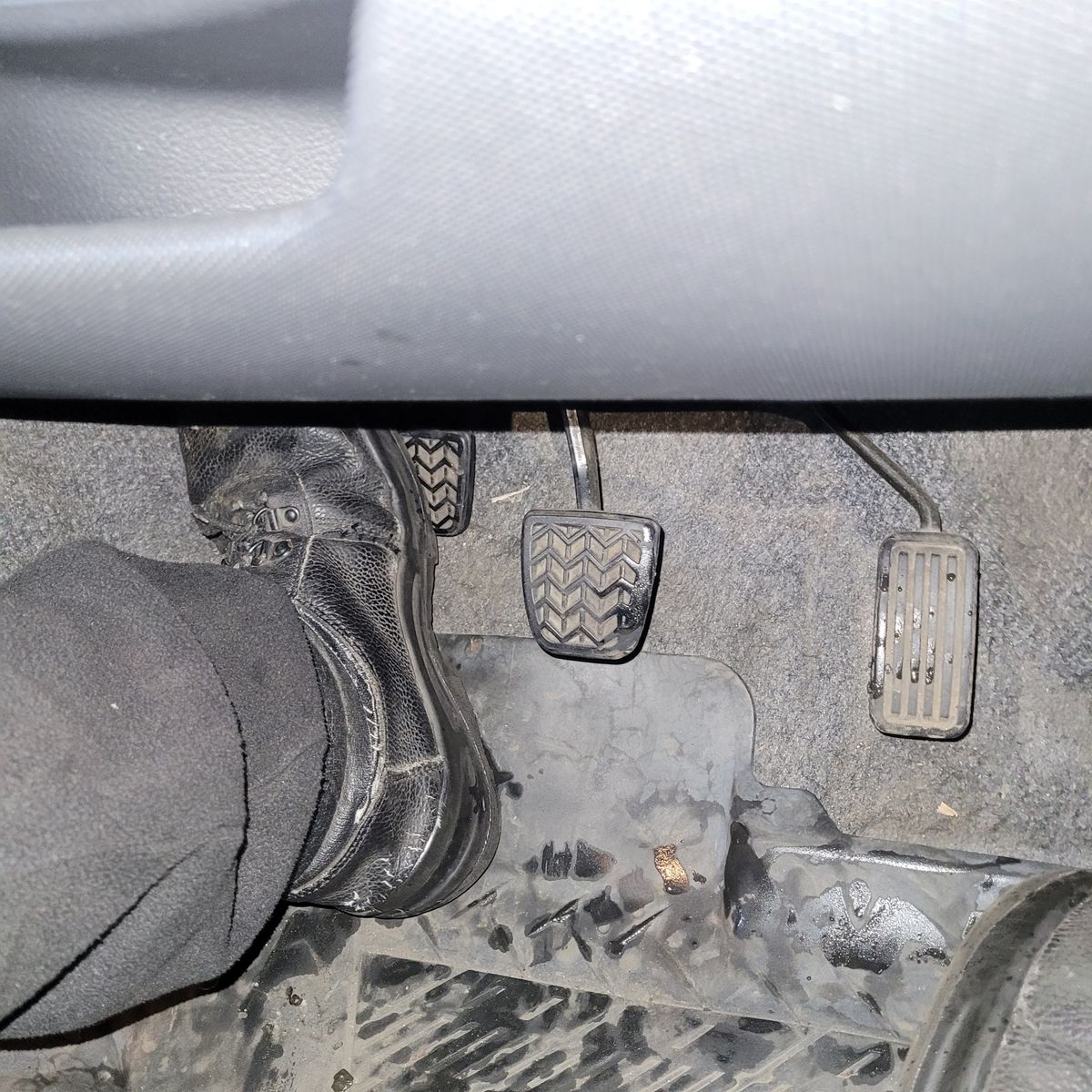
Difficulty shifting gears or hearing a loud grinding noise when pressing the clutch pedal? A clutch disengagement inspection diagnoses failing master cylinders, air in hydraulic lines, worn release bearings, and warped clutch plates.When the driver depresses the clutch pedal, hydraulic or cable linkage force must compress the pressure plate diaphragm spring, completely separating the friction disc from the flywheel so engine power stops turning the transmission input shaft.

Clutch pedal goes all the way to the floor Inspection

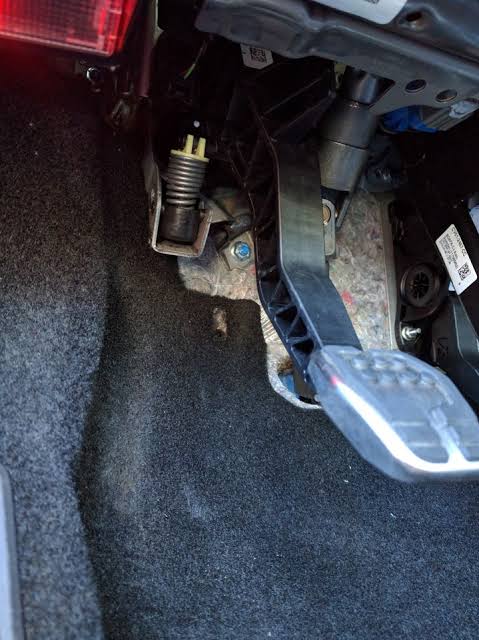
If your clutch pedal goes all the way to the floor, you may struggle to change gears or be left unable to drive. Our clutch pedal inspection identifies the specific cause, such as a hydraulic fault, failed master or slave cylinder, cable problem, or worn clutch component, helping you get the correct repair without replacing parts unnecessarily and get your vehicle safely back on the road.

Coolant is leaking Inspection

If you notice coolant leaking from your vehicle, our inspection helps locate the source of the leak and identify whether the problem is coming from a hose, radiator, water pump, thermostat housing, or another cooling-system component. Finding and addressing the leak early can help prevent coolant loss, engine overheating, and more costly repairs while keeping your vehicle’s cooling system working properly.

Creaking noise when turning the steering wheel Inspection

If your vehicle makes a creaking noise when you turn the steering wheel, our inspection helps identify whether the noise is coming from the steering system, suspension components, joints, bushings, or other related parts. Finding the source early can help prevent worsening steering or suspension problems, reduce the risk of unexpected repairs, and keep your vehicle handling smoothly and safely.

Cruise control is not working Inspection

If your vehicle’s cruise control is not working, our inspection helps identify the cause, whether it involves the brake switch, cruise control buttons, sensors, wiring, or related electronic components. Finding the fault helps restore cruise control functionality where possible, allowing you to maintain a more consistent speed on suitable journeys, reduce unnecessary speed adjustments, and enjoy a more comfortable driving experience.

Defroster is not working Inspection

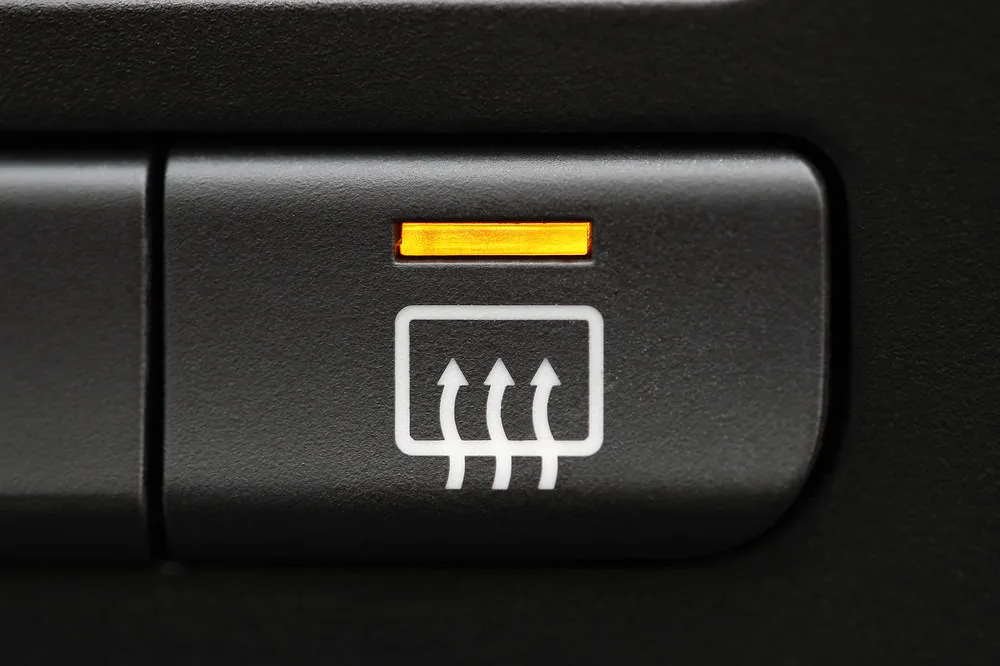
If your vehicle’s defroster is not working, fogged-up or misted windows can make it difficult to see the road clearly, especially in cold or wet weather. Our defroster inspection helps identify the cause, whether it involves the heating system, blower motor, vents, electrical controls, or rear-window defroster components. Identifying the fault helps restore effective window clearing, improve visibility, and support safer driving in changing weather conditions.

Car shuts off when stepping on gas pedal Inspection

Engine dying or stalling immediately when pressing the gas pedal? A stepping-on-gas stalling inspection diagnoses severe vacuum leaks, failed MAF sensors, weak fuel pumps, and clogged throttle bodies.Pressing the accelerator opens the throttle plate, instantly drawing a large volume of air into the engine; the engine control module (PCM) must immediately match this sudden air charge with a proportional pulse of fuel and ignition spark advance. If the air-fuel mixture leans out excessively during this transition, combustion fails instantly and the engine dies.

Search for products

Back to Top
Product has been added to your cart