Call us 24/7+254 700 031 732

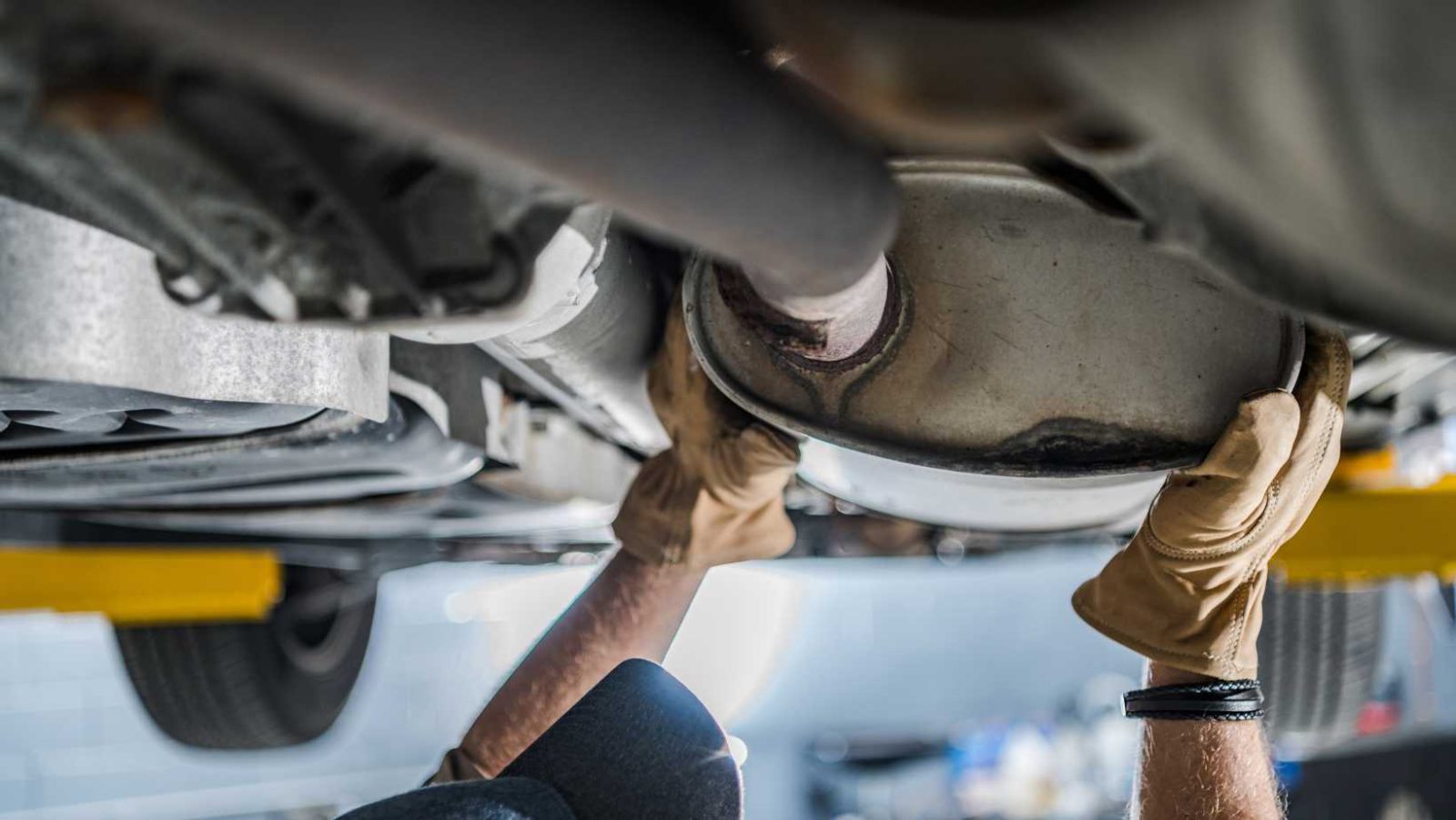
Noise from engine or exhaust Inspection

Unusual noises from your engine or exhaust system may indicate a worn engine component, loose exhaust connection, damaged muffler, exhaust leak, or another mechanical problem. Our engine and exhaust inspection helps identify the source of the noise and determine the appropriate repair. Early diagnosis can help prevent further damage, reduce unnecessary repair costs, improve engine performance, and restore quieter vehicle operation. Book an inspection to identify the fault and keep your vehicle running reliably. If the noise is sudden or severe, or you notice exhaust fumes inside the cabin, stop driving and arrange professional assistance.
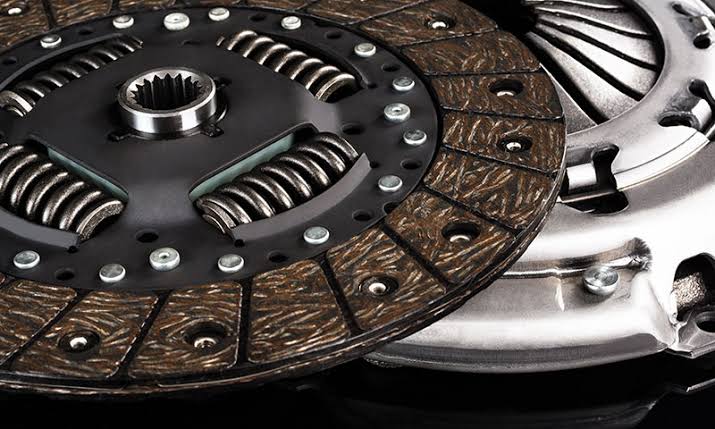
Not able to change gears Inspection

Difficulty changing gears can make driving frustrating and may indicate a problem with the clutch, gear linkage, transmission fluid, or internal gearbox components. Our gear-shifting inspection helps identify the cause and determine the correct repair, whether your vehicle has a manual or automatic transmission. Early diagnosis can help prevent further transmission damage, reduce the risk of costly repairs, and restore smoother, more reliable gear changes. Arrange an inspection to identify the fault and get your vehicle shifting properly again. If the gears cannot engage safely, avoid driving and arrange professional assistance.

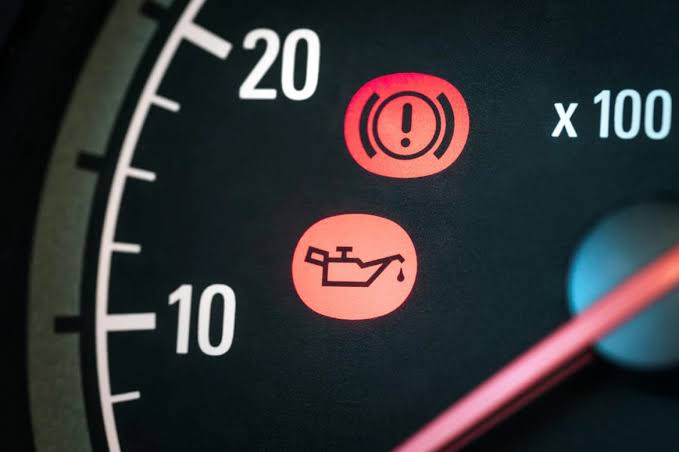
Oil Pressure Light is on Inspection

An illuminated oil pressure warning light may indicate low engine oil pressure, insufficient oil levels, a faulty oil pump, a blocked oil filter, or a problem with the oil pressure sensor. Our oil pressure inspection helps identify the cause and determine the necessary repair before inadequate lubrication leads to serious engine damage. Prompt diagnosis can help protect vital engine components, prevent expensive repairs, and maintain reliable engine performance. If the oil pressure warning light comes on while driving, stop safely, switch off the engine, and arrange professional assistance rather than continuing to drive.

Oil is leaking into spark plug well Inspection

Oil leaking into your vehicle’s spark plug wells may indicate worn valve cover gaskets, damaged spark plug tube seals, or other sealing problems around the engine. Our inspection helps identify the source of the leak and determine the appropriate repair before oil contamination affects spark plugs, ignition coils, or engine performance. Early diagnosis can help prevent engine misfires, reduce oil-related maintenance costs, and restore reliable ignition system operation. Arrange an inspection to identify the fault, protect essential engine components, and keep your vehicle running smoothly.

Oil level is low Inspection

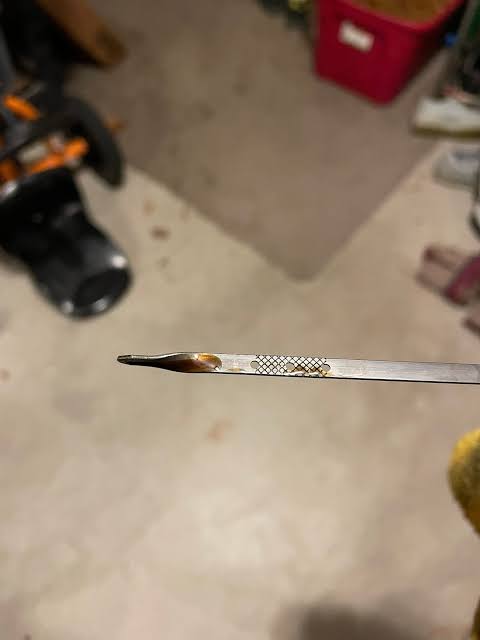
A low engine oil level can reduce lubrication, increase friction between moving parts, and lead to serious engine damage if left unaddressed. Our low oil level inspection helps identify why your vehicle is losing oil, whether through leaks, oil consumption, worn seals, or other engine-related problems. Finding the cause helps you address the issue correctly, maintain proper engine lubrication, reduce the risk of costly repairs, and protect your engine’s long-term performance. Arrange an inspection to determine the necessary repairs and keep your engine operating reliably. If the oil pressure warning light is on, switch off the engine and seek professional assistance before driving further.

High beam is not working Inspection

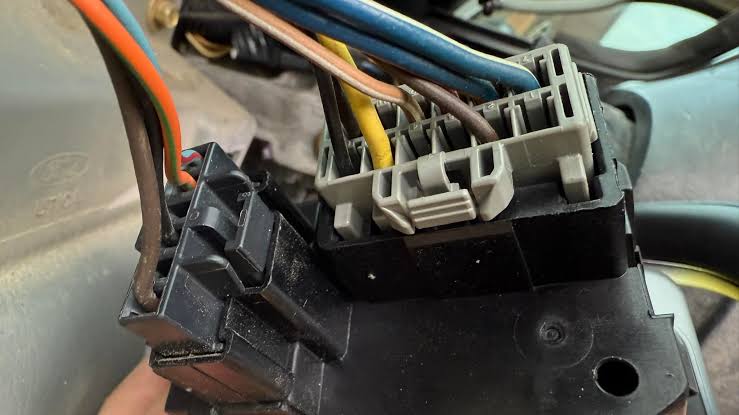
High beams that are not working can reduce your visibility on dark roads, making it harder to spot obstacles, pedestrians, and other hazards at a distance. Our high beam inspection helps identify the cause, whether it involves faulty bulbs, a damaged dimmer switch, blown fuses, defective relays, or wiring problems. Finding the fault helps restore proper high beam operation, improve visibility when driving in poorly lit areas, and ensure your vehicle’s lighting system functions reliably. Arrange an inspection to identify the correct repair and support safer nighttime driving.

Fog or driving lights are not working Inspection

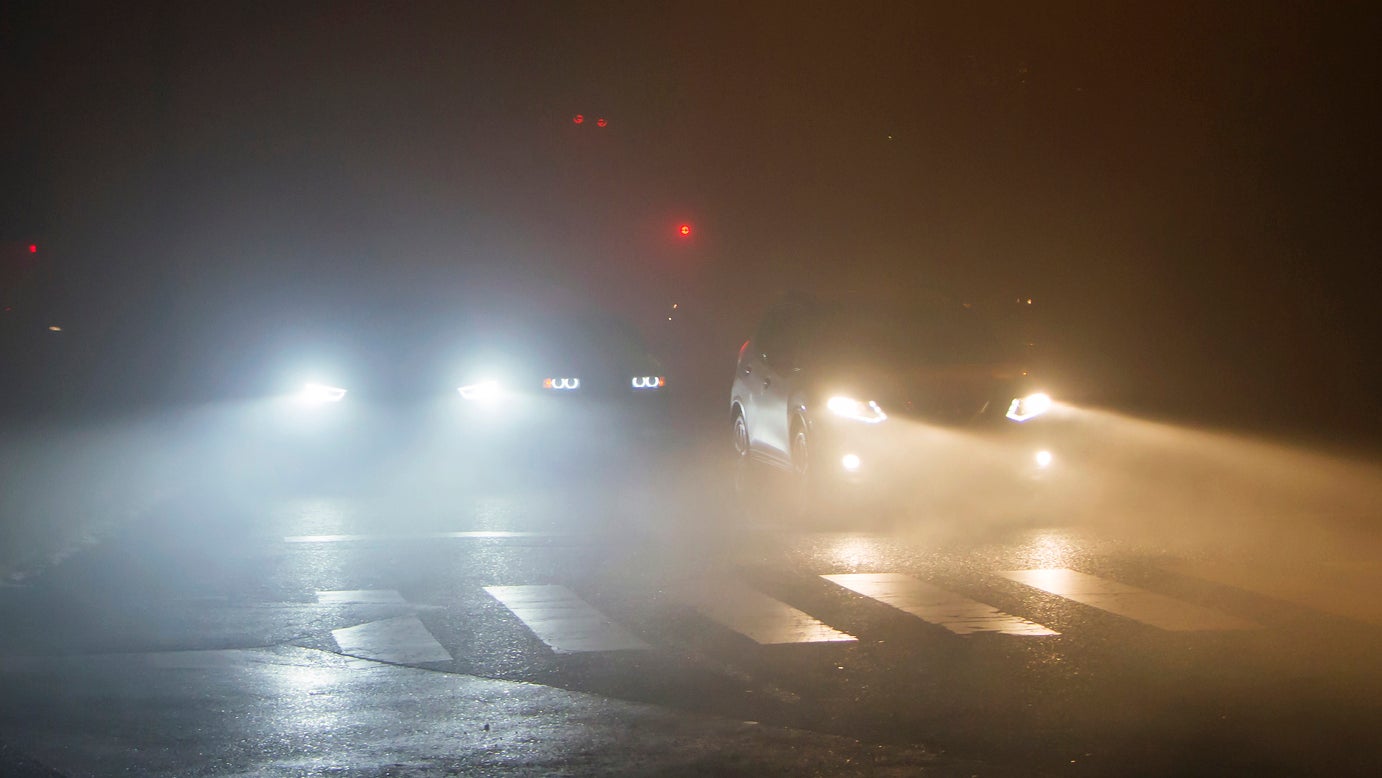
Are your vehicle’s fog lights or driving lights not working when you need them? Our inspection helps identify the cause, whether it involves blown bulbs, faulty fuses, damaged wiring, defective switches, or electrical connection problems. Finding the fault helps restore proper lighting, improve visibility in foggy or low-light conditions, and help other road users see your vehicle more clearly. Get your lights inspected promptly to identify the correct repair and support safer driving in challenging weather and road conditions.

Hissing noise when brake pedal is depressed Inspection

A hissing noise when you press the brake pedal may indicate a vacuum leak in the brake booster, a damaged vacuum hose, or a problem with the brake system’s seals. Our brake inspection helps identify the source of the noise and determine whether any components need repair or replacement. Early diagnosis helps maintain proper brake assistance, prevent worsening braking problems, and reduce the risk of costly repairs. Have your vehicle inspected promptly, especially if the brake pedal feels unusually hard or braking performance has changed, to help keep your braking system operating safely and reliably.

Fuel door won’t close Inspection

If your vehicle’s fuel door will not close properly, it can leave the fuel filler area exposed to dirt, moisture, and potential damage. Our fuel door inspection helps identify the cause, whether it involves a broken latch, damaged hinge, faulty release mechanism, or misaligned fuel door. Finding the problem helps restore secure closure, protect the fuel filler area, and prevent further damage from repeated opening and closing attempts. Get the issue inspected to determine the right repair and keep your vehicle’s fuel door working reliably.

Lights (Headlamps/beams/brakes) Inspection

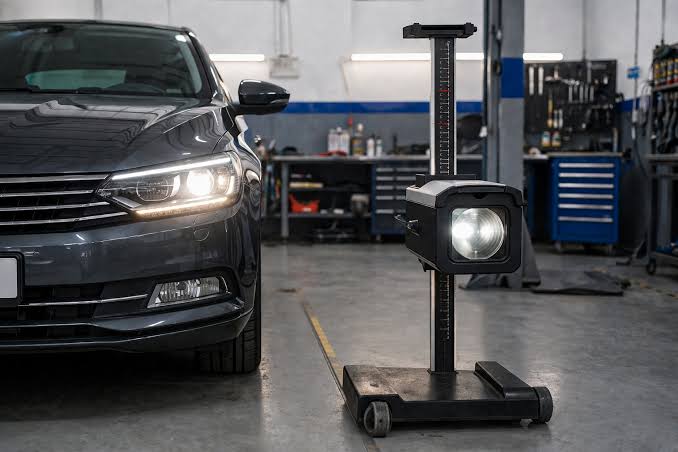
Faulty headlights, high or low beams, or brake lights can reduce road visibility and make it harder for other drivers to recognize your vehicle’s movements. Our vehicle lighting inspection helps identify problems such as blown bulbs, faulty switches, damaged wiring, defective fuses, or electrical connection issues. Finding the fault helps restore proper lighting, improve visibility at night, and ensure your brake lights alert drivers behind you when you slow down or stop. Arrange an inspection to identify the correct repairs and help keep your vehicle’s lighting system working reliably for safer driving.

Search for products

Back to Top
Product has been added to your cart