Call us 24/7+254 700 031 732

Lubricate Ball Joints

A ball joint lubrication service helps maintain the smooth movement and durability of serviceable ball joints in your vehicle’s suspension and steering systems. Ball joints allow suspension components to pivot as the wheels move over bumps and respond to steering input, helping maintain proper wheel movement and vehicle control. When a ball joint requires lubrication, insufficient grease can increase friction and contribute to squeaking noises and premature wear. During this service, a technician inspects the ball joints and protective boots for damage, grease leakage, and signs of excessive wear. Where the ball joints have lubrication fittings, the technician applies the manufacturer-recommended grease to help maintain proper lubrication and smooth joint movement. Sealed ball joints that are not designed for routine lubrication are inspected without being greased, while worn or damaged joints may require replacement. Lubricating serviceable ball joints helps reduce friction, protect against premature wear, maintain smooth suspension movement, and support reliable steering and handling.

Lubricate Driveshaft

A driveshaft lubrication service helps maintain the smooth operation and durability of serviceable driveshaft joints and sliding components in your vehicle’s drivetrain. The driveshaft transfers rotational power from the transmission or transfer case to the differential, allowing the drive wheels to receive power. Depending on the vehicle’s design, certain universal joints, slip yokes, and sliding splines require periodic lubrication to reduce friction and wear during drivetrain movement. When these components lack sufficient lubrication, you may notice squeaking noises, clunking during acceleration or gear changes, or vibration from the drivetrain. During this service, a technician inspects the driveshaft, universal joints, slip yokes, and accessible lubrication fittings for wear, damage, and signs of grease loss. Where lubrication is required, the appropriate manufacturer-recommended grease is applied to the serviceable components. The technician then checks the driveshaft and related connections for excessive play, abnormal movement, or other signs of damage. Regular lubrication of serviceable driveshaft components helps reduce friction, minimise premature wear, support smooth power transmission, and maintain reliable drivetrain performance.

Lubricate Steering and Suspension

A steering and suspension lubrication service helps maintain the smooth movement and durability of serviceable components within your vehicle’s steering and suspension systems. These components work together to support steering control, absorb road impacts, and maintain stable wheel movement over different road surfaces. Depending on the vehicle’s design, certain ball joints, steering linkage joints, tie rod ends, and suspension fittings may require periodic lubrication to reduce friction and minimise wear. When serviceable components lack sufficient grease, you may notice squeaking noises, stiffness, or increased friction during steering and suspension movement. During this service, a technician inspects accessible steering and suspension components, checks protective boots and lubrication fittings for damage or grease leakage, and identifies signs of excessive wear. The appropriate manufacturer-recommended lubricant is then applied to components designed for routine lubrication. Sealed components that do not require periodic greasing are inspected rather than lubricated, and worn or damaged parts are identified for repair or replacement. Regular steering and suspension lubrication helps reduce friction, protect serviceable joints against premature wear, maintain smooth component movement, and support reliable steering response and vehicle stability.

Lubricate Suspension

A steering and suspension lubrication service helps maintain the smooth movement and durability of serviceable components within your vehicle’s steering and suspension systems. These components work together to support steering control, absorb road impacts, and maintain stable wheel movement over different road surfaces. Depending on the vehicle’s design, certain ball joints, steering linkage joints, tie rod ends, and suspension fittings may require periodic lubrication to reduce friction and minimise wear. When serviceable components lack sufficient grease, you may notice squeaking noises, stiffness, or increased friction during steering and suspension movement. During this service, a technician inspects accessible steering and suspension components, checks protective boots and lubrication fittings for damage or grease leakage, and identifies signs of excessive wear. The appropriate manufacturer-recommended lubricant is then applied to components designed for routine lubrication. Sealed components that do not require periodic greasing are inspected rather than lubricated, and worn or damaged parts are identified for repair or replacement. Regular steering and suspension lubrication helps reduce friction, protect serviceable joints against premature wear, maintain smooth component movement, and support reliable steering response and vehicle stability.

Lubricate U-Joints

A U-joint lubrication service helps maintain the smooth operation and durability of serviceable universal joints in your vehicle’s driveshaft. Universal joints allow the driveshaft to transmit rotational power between connected drivetrain components while accommodating changes in angle as the suspension moves. When a serviceable U-joint lacks sufficient lubrication, friction can increase, contributing to squeaking noises, stiffness, vibration, or premature joint wear. During this service, a technician inspects the universal joints for excessive play, corrosion, damaged seals, and signs of grease loss. Where lubrication fittings are provided, the technician applies the manufacturer-recommended grease to help protect the joint’s internal bearings and maintain smooth movement. Sealed U-joints that are not designed for routine lubrication are inspected rather than greased, and worn or damaged joints may require replacement. Regular lubrication of serviceable U-joints helps reduce friction, minimise premature wear, support smooth driveshaft rotation, and maintain reliable drivetrain performance.

Pitman Arm Replacement

A pitman arm replacement service addresses steering problems caused by a worn, loose, or damaged pitman arm in vehicles equipped with a recirculating-ball steering system. The pitman arm connects the steering gearbox to the steering linkage, helping transfer steering movement to the front wheels. When the pitman arm or its connection points deteriorate, you may notice excessive steering play, clunking noises from the front end, wandering while driving, or difficulty maintaining directional control. During this service, a technician inspects the pitman arm, checks its connection to the steering gearbox and centre link, and examines related steering components for excessive movement or damage. If the pitman arm is faulty, it is replaced with a compatible component suited to your vehicle’s steering system. The technician then secures the mounting hardware according to the manufacturer’s specifications and checks the steering linkage for correct movement. Wheel alignment is checked and adjusted where necessary. Replacing a worn or damaged pitman arm helps restore accurate steering response, reduce excessive steering play, improve directional stability, and support safer vehicle handling.

Power Steering Fluid Reservoir Replacement

A power steering fluid reservoir replacement service addresses problems caused by a cracked, leaking, damaged, or deteriorated reservoir that stores hydraulic fluid for the power steering system. The reservoir helps maintain an adequate fluid supply to the power steering pump, supporting smooth steering assistance and reducing the risk of air entering the hydraulic system. When the reservoir develops a leak or becomes damaged, you may notice low power steering fluid levels, fluid stains beneath the vehicle, whining noises from the pump, or increased steering effort. During this service, a technician inspects the reservoir, cap, hoses, and connections to identify leaks or damage and checks the fluid condition. The faulty reservoir is replaced with a compatible component suited to your vehicle’s steering system. The technician then refills the system with the manufacturer-recommended fluid, checks for leaks, and bleeds the system where necessary to remove trapped air. Steering operation is tested to confirm smooth and consistent assistance. Replacing a damaged power steering fluid reservoir helps maintain the correct fluid supply, protect the power steering pump, prevent fluid loss, and support reliable steering performance.

Power Steering Fluid Service

A power steering fluid service helps maintain the smooth operation and reliability of your vehicle’s hydraulic power steering system. Power steering fluid transfers hydraulic pressure through the system, allowing you to turn the steering wheel with less effort while lubricating and protecting internal components such as the pump, steering gear, and seals. Over time, the fluid can deteriorate or become contaminated, potentially contributing to noisy steering, increased steering effort, or premature component wear. During this service, a technician checks the power steering fluid level and condition, inspects the reservoir, hoses, pump, and connections for leaks, and determines whether the fluid requires replacement. Where specified by the manufacturer, the old fluid is drained or exchanged and replaced with the correct fluid type and specification. The technician then verifies the fluid level, bleeds trapped air from the system where necessary, and checks steering operation for smooth, consistent assistance. Regular power steering fluid servicing helps maintain effective hydraulic pressure, reduce friction and wear, protect steering components, and support reliable steering performance.

Power Steering Pressure Hose Replacement

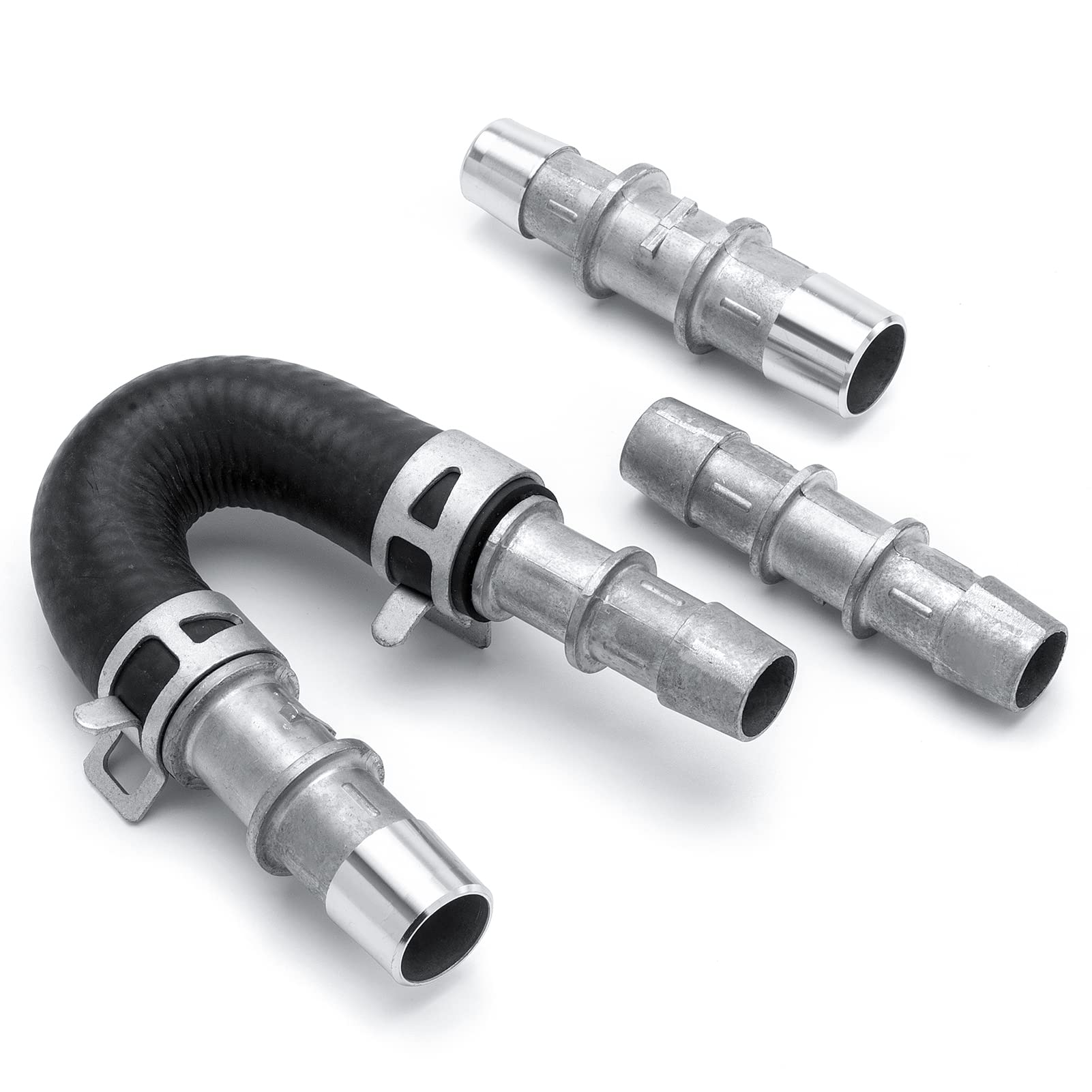
Car heater bypass tube replacement helps maintain proper coolant circulation when the bypass tube becomes cracked, corroded, damaged, or develops coolant leaks. The heater bypass tube allows engine coolant to circulate through the cooling system under specific operating conditions, depending on the vehicle’s design. A faulty tube can cause coolant loss, engine overheating, or reduced cooling system efficiency. A qualified technician will inspect the tube, connections, and surrounding cooling system components to identify leaks and determine whether replacement is necessary. Installing a compatible replacement tube and checking the coolant level and system operation helps restore reliable coolant circulation and protect the engine from overheating. AskAutoParts.Africa helps you find suitable automotive parts and service solutions to maintain dependable cooling system performance.

Power Steering Pressure Switch Replacement

A power steering pressure switch replacement service addresses problems caused by a faulty switch that monitors hydraulic pressure within your vehicle’s power steering system. In vehicles equipped with this switch, the pressure signal helps the engine control unit (ECU) adjust engine operation when additional load is placed on the engine during steering manoeuvres. When the switch fails or sends inaccurate signals, you may experience irregular engine idling while turning the steering wheel, an illuminated check engine light, or diagnostic trouble codes related to the power steering pressure circuit. During this service, a technician scans the vehicle for fault codes, inspects the pressure switch and its electrical connections, and checks the surrounding hydraulic system for leaks or other issues. If the switch is confirmed to be defective, it is replaced with a compatible component suited to your vehicle’s specifications. The technician then checks the electrical signal, inspects for fluid leaks where applicable, and verifies that the engine management system responds correctly to steering load. Replacing a faulty power steering pressure switch helps restore accurate pressure monitoring, supports proper engine response during steering manoeuvres, and maintains reliable operation of the power steering and engine management systems.

Search for products

Back to Top
Product has been added to your cart