Call us 24/7+254 700 031 732

Speedometer Sensor Replacement

A speedometer sensor replacement service addresses problems with inaccurate, erratic, or non-functioning speedometer readings caused by a faulty vehicle speed sensor. This sensor measures the vehicle’s speed and sends information to the relevant electronic systems, helping the speedometer display road speed and supporting functions such as transmission shifting, cruise control, and anti-lock braking, depending on the vehicle’s design. When the sensor fails or sends incorrect signals, you may notice a speedometer that fluctuates, stops working, or displays an incorrect speed, along with possible warning lights or transmission performance issues. During this service, a technician checks the vehicle for diagnostic trouble codes, inspects the sensor and its wiring, and tests the relevant circuit to identify the source of the fault. If the sensor is defective, it is replaced with a compatible component suited to your vehicle’s specifications. The technician then verifies the sensor readings and checks the speedometer for accurate operation. Replacing a faulty speedometer sensor helps restore reliable speed readings, supports the proper operation of related vehicle systems, and helps you monitor your driving speed more confidently.

Throttle Position Sensor (TPS) Replacement

A throttle position sensor (TPS) replacement service addresses engine performance problems caused by a faulty sensor that monitors the position of the throttle valve as you press or release the accelerator pedal. The sensor sends information to the engine control unit (ECU), helping it regulate fuel delivery and engine response according to the throttle opening. When the TPS fails or provides inaccurate readings, you may experience hesitation during acceleration, irregular idling, sudden changes in engine speed, poor fuel economy, or an illuminated check engine light. During this service, a technician scans the vehicle for diagnostic trouble codes, inspects the sensor and its electrical connections, and tests its signal to confirm whether it is responsible for the problem. If the sensor is defective, it is replaced with a compatible component suited to your vehicle’s specifications. The technician then verifies the sensor readings and performs any required calibration or relearning procedure according to the manufacturer’s instructions. Replacing a faulty throttle position sensor helps restore accurate throttle monitoring, improves accelerator response, supports smooth engine operation, and helps maintain proper engine management performance.

Throttle/Accelerator Pedal Position Sensor Replacement

A throttle/accelerator pedal position sensor replacement service addresses problems caused by a faulty sensor that monitors how far you press the accelerator pedal. The sensor sends electronic signals to the engine control unit (ECU), which uses this information to regulate engine power and throttle response in vehicles equipped with electronic throttle control. When the sensor fails or provides inaccurate readings, you may experience delayed acceleration, inconsistent engine response, reduced power, difficulty maintaining speed, or an illuminated check engine light. During this service, a technician scans the vehicle for diagnostic trouble codes, inspects the accelerator pedal sensor and its electrical connections, and tests the sensor signals to identify the cause of the problem. If the sensor is defective, it is replaced with a compatible component suited to your vehicle’s specifications. The technician then verifies the sensor readings and performs any required calibration or relearning procedure according to the manufacturer’s instructions. Replacing a faulty accelerator pedal position sensor helps restore accurate pedal input detection, supports consistent throttle response, and promotes reliable engine control and safer vehicle operation.

Top Dead Center (TDC) Sensor Replacement

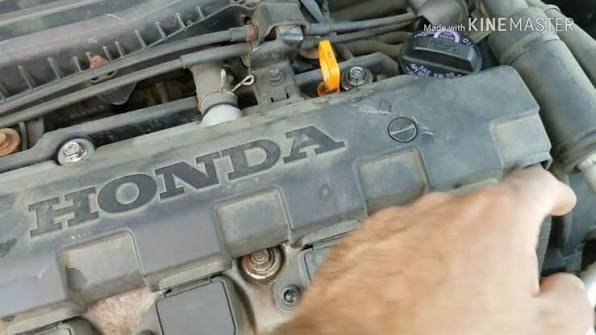
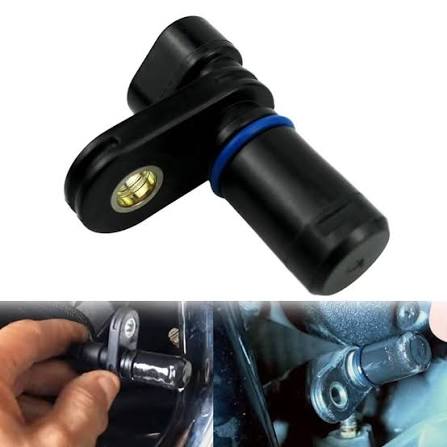
A Top Dead Center (TDC) sensor replacement service addresses engine starting and performance problems caused by a faulty sensor that helps identify the piston’s position at the top of its travel during the engine cycle. The sensor provides timing information to the engine control unit (ECU), supporting accurate ignition timing and, depending on the engine design, fuel injection control. When the TDC sensor fails or sends inaccurate signals, you may experience difficulty starting the engine, rough idling, engine misfires, poor performance, or an illuminated check engine light. During this service, a technician checks diagnostic trouble codes, inspects the sensor and its electrical connections, and tests the signal to determine whether the sensor is responsible for the fault. If the sensor is defective, it is replaced with a compatible component suited to your vehicle’s engine specifications. The technician then verifies the sensor signal and checks engine starting and operation to confirm the repair. Replacing a faulty TDC sensor helps restore accurate engine timing information, supports reliable starting, and promotes smoother engine operation and dependable performance.

Air Bag Spring Replacement

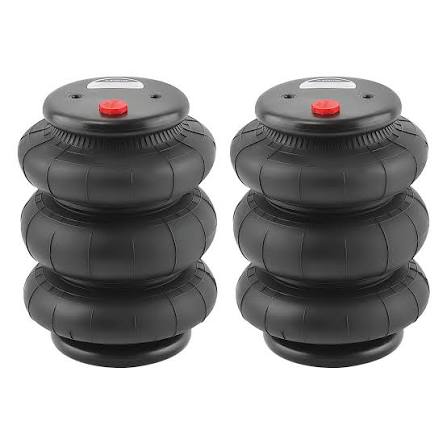
A car air bag spring replacement service addresses suspension problems caused by a worn, leaking, or damaged air spring that can no longer support the vehicle’s weight and maintain the correct ride height. Air springs use compressed air to absorb road impacts, support vehicle loads, and help maintain suspension balance in vehicles equipped with air suspension. When an air spring develops a leak or fails, you may notice a sagging vehicle, uneven ride height, a harsher ride, reduced stability, or a suspension warning light. During this service, a technician inspects the air spring and surrounding suspension components, checks for air leaks and damage, and examines the air lines and connections to identify the cause of the problem. The faulty air spring is then replaced with a compatible component suited to your vehicle’s suspension system. The technician checks the connections, verifies ride height, and tests the air suspension system to confirm correct operation. Replacing a damaged air spring helps restore proper suspension support, maintain balanced vehicle height, improve ride comfort, and support stable handling under normal driving conditions.

Air Springs Replacement

A car air springs replacement service addresses suspension problems caused by worn, cracked, leaking, or damaged air springs that can no longer support your vehicle’s weight or maintain the correct ride height. Air springs use compressed air to absorb road impacts, support varying vehicle loads, and maintain suspension balance in vehicles equipped with air suspension systems. When an air spring fails, you may notice a sagging vehicle, uneven ride height, excessive bouncing, reduced ride comfort, or a suspension warning light. During this service, a technician inspects the air springs, checks for air leaks and physical damage, and examines the air lines, fittings, and related suspension components to identify the cause of the problem. Faulty air springs are replaced with compatible components designed for your vehicle’s suspension system. The technician then checks the connections, verifies ride height, and tests the air suspension system to confirm proper operation. Replacing worn or damaged air springs helps restore suspension support, maintain balanced vehicle height, improve ride comfort, and support stable handling under normal driving conditions.

Headlight Bulb Replacement

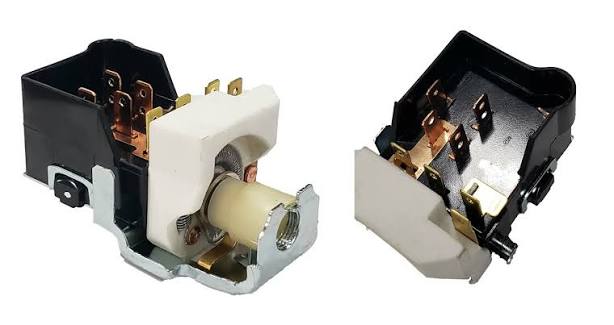
A headlight bulb replacement service restores your vehicle’s forward lighting when a headlight becomes dim, flickers, or stops working completely. Headlights help you see the road, identify obstacles, and recognise other vehicles and pedestrians in low-light conditions, while also making your vehicle more visible to other road users. When a bulb fails, nighttime driving and travel in poor visibility can become more difficult and less safe. During this service, a technician checks the affected headlight, identifies the bulb type required for your vehicle, inspects the bulb holder and electrical connections, and installs a compatible replacement. The technician then tests the headlights to confirm that they illuminate correctly and checks the beam alignment where necessary. Replacing a faulty headlight bulb helps restore clear forward visibility, supports safer nighttime driving, and maintains the proper operation of your vehicle’s lighting system.

License Plate Light Replacement

A license plate light replacement service restores the illumination that makes your vehicle’s registration plate visible in low-light conditions and at night. These lights are typically fitted above or beside the rear number plate and are designed to illuminate the plate whenever the relevant exterior lights are switched on. When a bulb burns out, flickers, or stops working, the registration plate may become difficult to read after dark, potentially affecting compliance with vehicle lighting regulations. During this service, a technician inspects the license plate light assembly, identifies the faulty bulb, checks the bulb holder and electrical connections, and installs a suitable replacement compatible with your vehicle. The light is then tested to confirm that it illuminates correctly when the exterior lights are activated. Replacing a faulty license plate light bulb helps maintain clear number plate visibility, supports compliance with applicable road regulations, and ensures your vehicle’s rear lighting system functions as intended.

Reset Indicator Lights

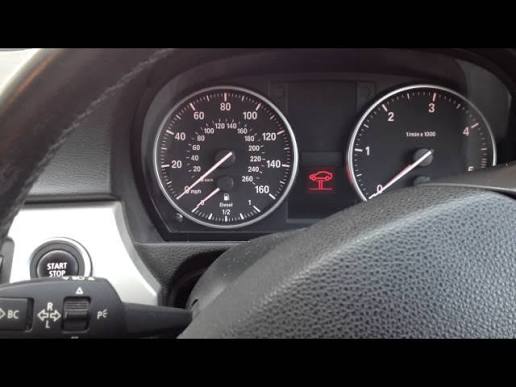
A reset indicator lights service helps address dashboard warning or service lights that remain illuminated after the underlying issue has been repaired or the required maintenance has been completed. These indicators may relate to routine servicing, tyre pressure monitoring, oil maintenance, or other vehicle systems, depending on the warning displayed. During this service, a technician identifies the illuminated indicator, checks the vehicle’s maintenance requirements and diagnostic information, and determines whether a reset is appropriate. Where applicable, the technician uses the vehicle’s dashboard controls or a compatible diagnostic tool to reset the relevant service reminder or indicator according to the manufacturer’s procedure. The dashboard is then checked to confirm that the reset has been completed correctly. Resetting indicator lights after the necessary maintenance or repairs helps keep service reminders accurate, makes it easier to recognise new warnings, and supports proper vehicle maintenance. Warning lights linked to unresolved faults should be diagnosed and repaired rather than simply reset.

Search for products

Back to Top
Product has been added to your cart