Call us 24/7+254 700 031 732

Engine is backfiring Inspection

If your vehicle’s engine is making loud popping sounds from the exhaust or intake, it may be experiencing backfiring caused by faulty spark plugs, ignition timing issues, fuel system problems, vacuum leaks, or malfunctioning engine sensors. Our engine backfiring inspection helps identify the source of the problem so you can get the correct repair, improve engine performance, reduce excessive fuel consumption where possible, and prevent further damage to engine or exhaust components. Get your vehicle checked promptly to restore smoother operation and more reliable driving.

Elementor #18810

What is engine idle speed and how is it maintained?

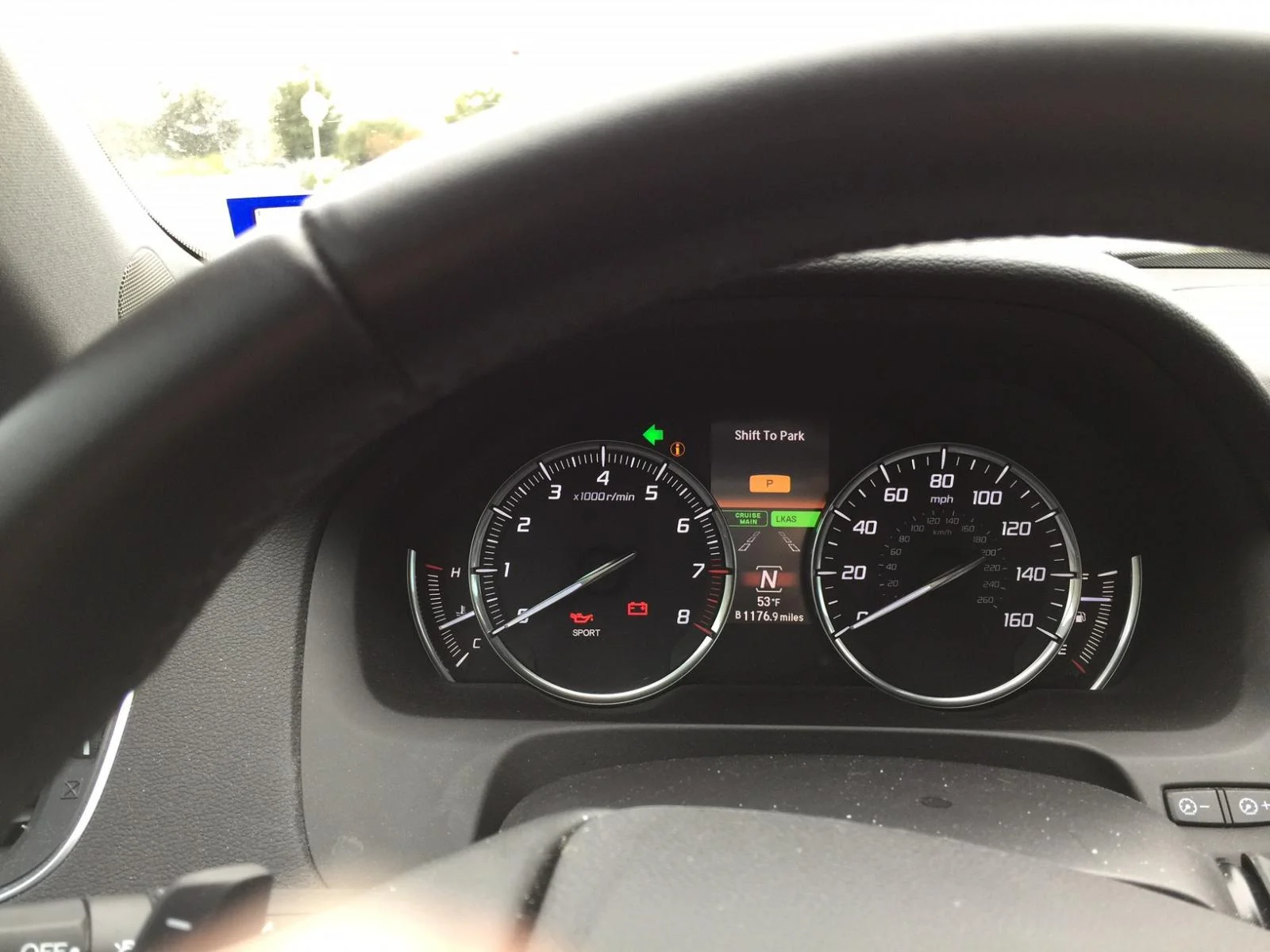
Engine idle speed is the speed, measured in revolutions per minute (RPM) an engine is designed to run at when the engine is fully warmed up and the vehicle is stopped in park or neutral. Typically, the idle speed will be set at a value in the range of 600 to 800 RPM, but the exact value will depend on the number of engine cylinders and whether the vehicle is equipped with a manual or automatic transmission. Idle speed is maintained by the throttle body working in conjunction with the vehicle’s powertrain control module.

When to check for idle speed issues:

● RPM on dash gauge does not match OEM specification. Many cars have RPM gauges. If the engine speed displayed on the gauge does not match the original equipment manufacturer (OEM) specification on the underhood label, there is probably something wrong.

● Engine is idling higher than normal. If there is no RPM gauge but the engine sounds like it is turning faster when idle, a mechanic can use an instrument to measure the actual engine speed.

● Harsh engagement in drive. If the idle speed is too high, the vehicle will jump forward when placed in drive.

● Excessive brake effort is required to hold vehicle at a stop. If idle speed is normal, only a very light force on the brake pedal will be necessary to prevent forward motion in drive.

How do mechanics adjust or repair incorrect idle speed?

The repair procedure depends on the exact cause of the high idle. The below lists common causes of high idle and in each case, the appropriate vehicle system, components, and parts involved would be inspected, removed for repairs, and/or replaced as needed.

Faulty Fuse: In the majority of vehicles, engine idle speed is controlled via an idle control valve (ICV). A faulty or blown fuse in other electronically controlled systems can cause the Idle Air Control (IAC) motor to malfunction, leading to a higher than normal engine idle speed.

Faulty Idle Air Control Valve (ICV): Some cars are equipped with an idle air control valve to maintain idle speed. This part can malfunction due to excessive carbon buildup in the intake manifold.

Vacuum Leak: On any engine, a vacuum leak will cause a high engine idle as the oxygen sensor detects lean operation and the engine computer then tries to compensate, which can result in abnormal idle.

Malfunctioning Throttle: A malfunctioning throttle system can cause both a high or low idle as well as an engine stall. A dirty air intake or cracked air intake tube is often the culprit.

Computer Malfunction: If the powertrain control module is malfunctioning, idle speed may be affected.

Is it safe to drive with incorrect idle speed?

No. High idle speed could make your vehicle difficult to control and were the idle speed to suddenly and unexpectedly increase to really high levels, you could experience unintended acceleration. Even moderately high idle speed, that is up to 1,200 RPM will make it more difficult to slow your vehicle when stopping and, once stopped, there remains the risk of your foot coming off the brake and the car jumping ahead. High idle speed also wastes gas and can be distracting as the vehicle does not perform as expected.

When addressing idle speed issues, keep in mind:

● Related functions, such as the idle up function when the air conditioner is turned on, will be inspected by a mechanic during the repair of a high idle problem. ● Prior to replacing parts, such as the throttle body, the mechanic will also need to rule out electrical causes of incorrect idle speed as well as physical causes such as vacuum leaks.

Engine idle speed is high Inspection

Is your engine running at unusually high speeds when your vehicle is stationary? Our high engine idle speed inspection helps identify the cause, including vacuum leaks, a dirty throttle body, a faulty idle air control valve, or malfunctioning engine sensors. By pinpointing the problem, you can avoid wasting fuel, reduce unnecessary engine strain, and prevent unpredictable vehicle behaviour. We help you determine the right repair to restore a stable idle, improve engine efficiency, and keep your vehicle running reliably.

Windshield Washer Pump Replacement

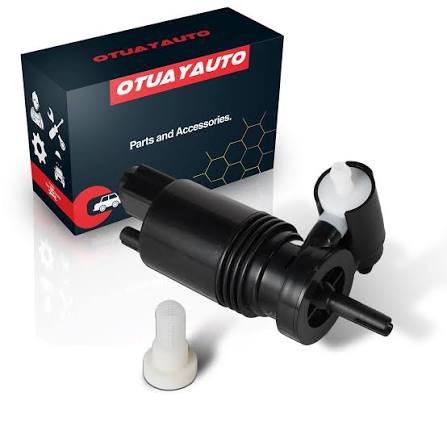
Windshield washer pump replacement helps restore proper washer fluid delivery when fluid fails to spray onto the windshield, sprays weakly, or stops flowing despite having sufficient fluid in the reservoir. The washer pump moves fluid from the reservoir through the hoses to the spray nozzles, helping remove dirt, dust, and other contaminants from the windshield. A faulty pump can reduce visibility, particularly when driving on dusty roads or in wet conditions. During this service, a technician checks the washer fluid level, pump operation, electrical connections, wiring, hoses, and spray nozzles to confirm the cause of the problem. The defective pump is removed and replaced with a compatible unit designed for the vehicle. The technician reconnects the hoses and electrical connections, checks for leaks, and tests the washer system to confirm that fluid reaches the windshield with the expected spray pattern. If clogged nozzles, damaged hoses, or electrical faults are identified, additional repairs may be necessary. Replacing a faulty windshield washer pump helps restore reliable fluid delivery, supports effective windshield cleaning, and improves visibility while driving.

Windshield Wiper Arm Replacement

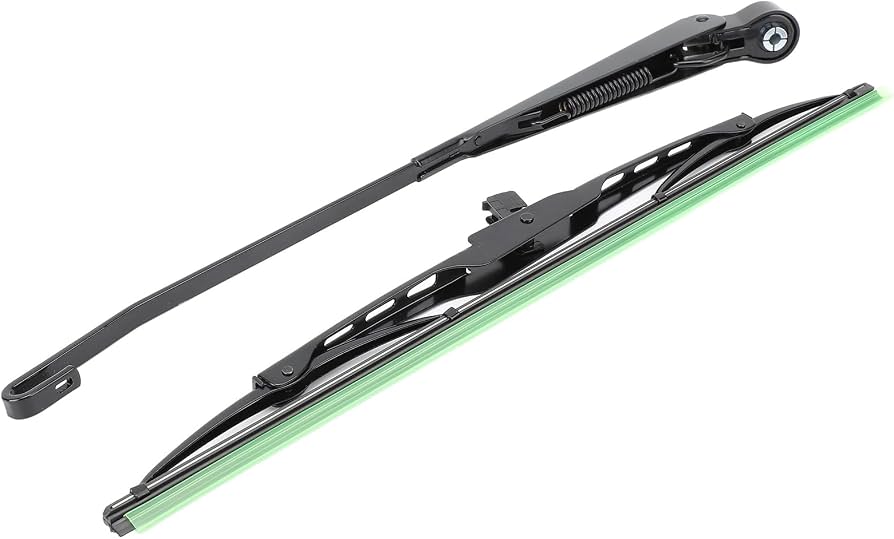
Windshield wiper arm replacement helps restore effective windshield wiping when a wiper arm is bent, damaged, loose, corroded, or unable to maintain proper contact between the wiper blade and the glass. The wiper arm holds the blade in position and transfers movement from the wiper mechanism to clear rain, dust, and debris from the windshield. A faulty arm can cause uneven wiping, missed areas, or reduced visibility during adverse weather. During this service, a technician inspects the wiper arms, blades, mounting points, and wiper mechanism to identify damage or excessive wear. The defective arm is removed and replaced with a compatible component designed for the vehicle. The technician checks the arm positioning, secures the mounting hardware, and verifies that the wiper blade sits correctly against the windshield. The wipers are then tested to confirm smooth movement, appropriate coverage, and correct parking position. If worn blades, damaged linkages, or a faulty wiper motor are identified, additional repairs may be necessary. Replacing a damaged windshield wiper arm helps restore consistent wiping performance, improve visibility in wet weather, and support safer driving.

Windshield Wiper Blade Replacement

Windshield wiper blade replacement helps maintain clear visibility when the blades leave streaks, skip across the glass, squeak during operation, or fail to remove rain and dirt effectively. Wiper blades use a flexible rubber edge to clear water and debris from the windshield, helping the driver maintain a clear view of the road. Worn, cracked, or hardened rubber can reduce wiping effectiveness and leave areas of the glass obstructed. During this service, a technician inspects the wiper blades, checks their compatibility with the vehicle, and examines the windshield surface and wiper arms for signs of damage or wear. The old blades are removed and replaced with suitable new blades that fit the vehicle’s wiper arms correctly. The technician secures the attachments and tests the wipers with washer fluid to confirm smooth movement and effective windshield coverage. If damaged wiper arms, a faulty motor, or problems with the washer system are identified, additional repairs may be necessary. Replacing worn windshield wiper blades helps improve visibility in rain, supports effective removal of dirt and debris, and promotes safer driving in changing weather conditions.

Windshield Wiper Linkage Replacement

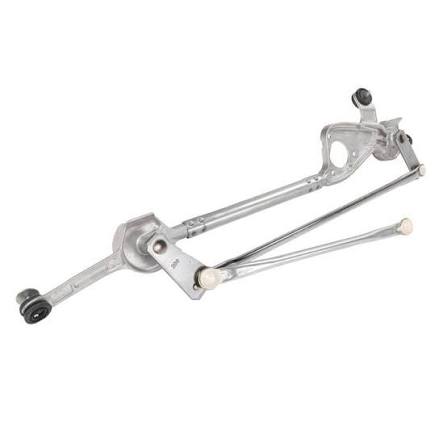
Windshield wiper linkage replacement helps restore proper wiper movement when the wipers move unevenly, operate intermittently, become misaligned, or stop moving despite the wiper motor running. The wiper linkage connects the motor to the wiper arms and transfers its movement to sweep the blades across the windshield. A worn, bent, disconnected, or damaged linkage can prevent the wipers from clearing rain, dust, and debris effectively, reducing visibility while driving. During this service, a technician inspects the wiper linkage, connecting joints, pivot points, wiper arms, and motor to identify the cause of the malfunction. The faulty linkage is removed and replaced with a compatible assembly designed for the vehicle. The technician checks the mounting points, secures the connections, and verifies that the wiper arms are correctly positioned. The wipers are then tested through their operating speeds to confirm smooth, coordinated movement and the correct parking position. If worn pivot joints, damaged wiper arms, or a faulty motor are identified, additional repairs may be necessary. Replacing a damaged windshield wiper linkage helps restore consistent wiper operation, improve windshield clearing performance, and support safer driving in wet or dusty conditions.

Windshield Wiper Motor Replacement

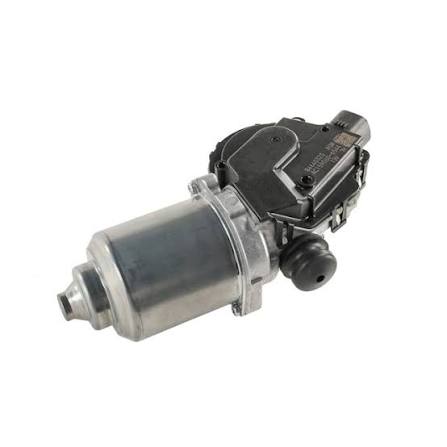
Windshield wiper motor replacement helps restore proper wiper operation when the wipers fail to move, operate intermittently, move unusually slowly, or stop working at certain speed settings. The wiper motor supplies the power that drives the wiper linkage and arms, allowing the blades to clear rain, dust, and debris from the windshield. A faulty motor can reduce visibility during rainy weather and make it difficult to maintain a clear view of the road. During this service, a technician inspects the wiper motor, electrical connections, wiring, fuses, linkage, and wiper arms to identify the cause of the malfunction. The defective motor is removed and replaced with a compatible unit designed for the vehicle. The technician secures the mounting points, reconnects the electrical components, and checks that the linkage and wiper arms are correctly positioned. The wipers are then tested at the available speed settings to confirm smooth movement and the correct parking position. If damaged wiring, worn linkage components, or faulty wiper controls are identified, additional repairs may be necessary. Replacing a faulty windshield wiper motor helps restore reliable wiper performance, improve visibility in adverse weather, and support safer driving.

Windshield Wiper Refill Replacement

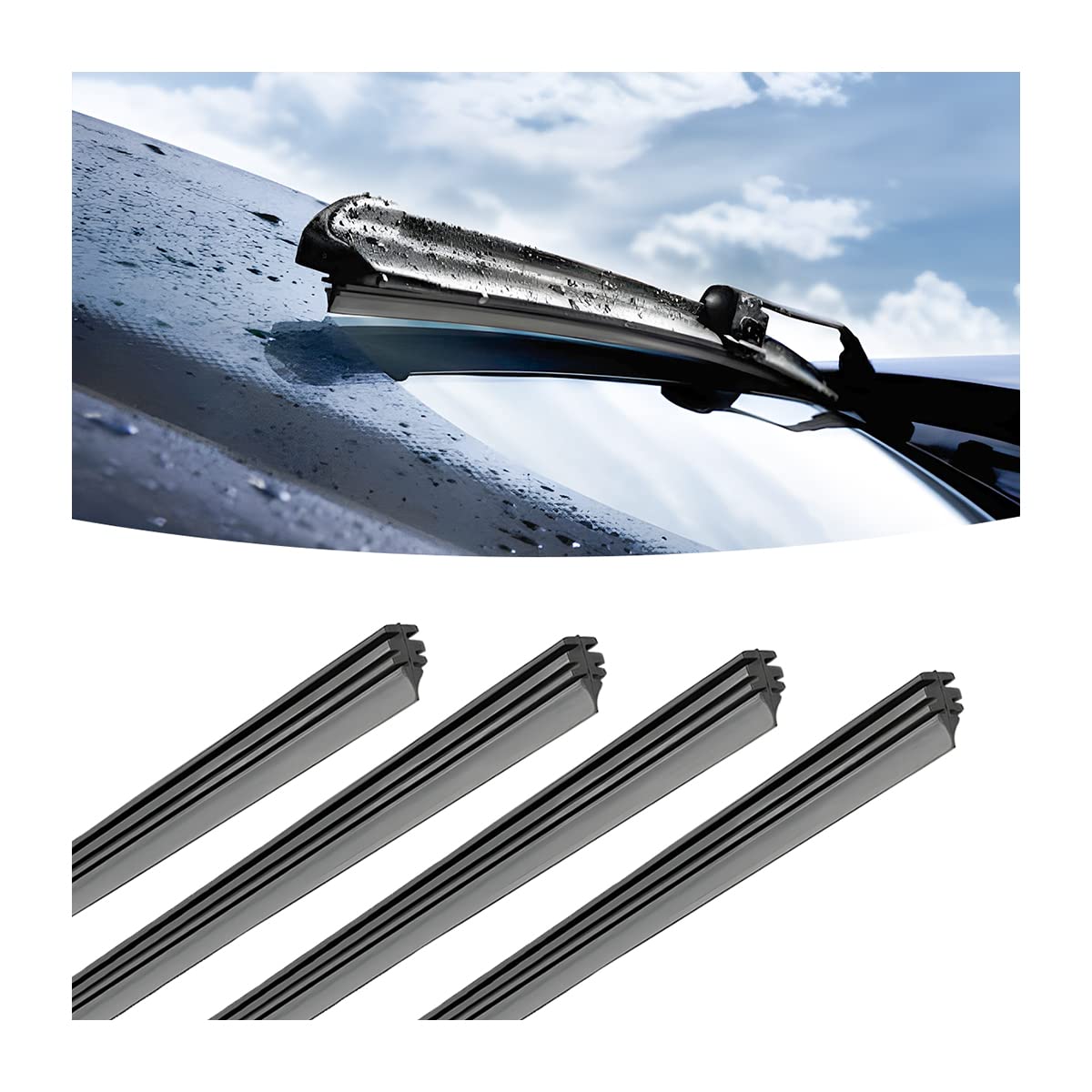
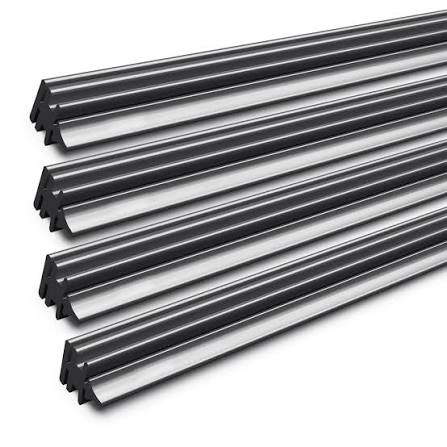
Windshield wiper refill replacement helps restore effective windshield cleaning when the rubber wiping element becomes worn, cracked, hardened, or leaves streaks across the glass. The wiper refill is the rubber component that makes direct contact with the windshield to remove rainwater, dust, and other road contaminants. A deteriorated refill can leave obstructed areas on the glass and reduce visibility, especially during rainy weather. During this service, a technician inspects the existing wiper blades and refill channels to determine whether the rubber element can be replaced separately or whether a complete blade replacement is required. The worn refill is removed and replaced with a compatible rubber insert designed for the wiper blade assembly. The technician checks that the new refill is seated securely and makes even contact with the windshield before testing the wipers with washer fluid. If the blade frame, wiper arm, or other components are damaged, additional repairs or replacement may be necessary. Replacing worn windshield wiper refills helps improve wiping performance, reduce streaking, maintain clearer visibility, and support safer driving in wet conditions.

Windshield Wiper Switch Replacement

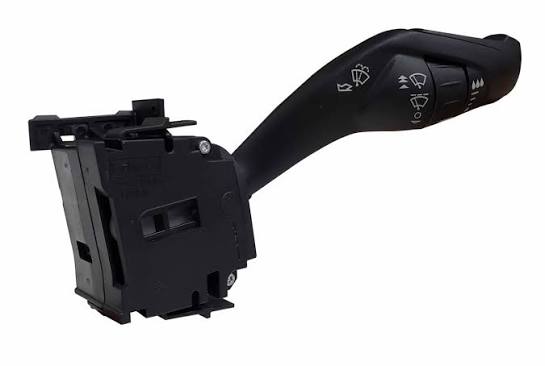
Windshield wiper switch replacement helps restore proper wiper control when the wipers fail to respond, operate intermittently, or do not work correctly at the selected speed settings. The wiper switch allows the driver to control windshield wiping functions, including intermittent operation, low speed, high speed, and washer activation where these features are integrated. A faulty switch can make it difficult to clear rain, dust, and debris from the windshield, reducing visibility while driving. During this service, a technician inspects the wiper switch, steering column controls, electrical connectors, wiring, fuses, and related components to identify the source of the fault. The defective switch is removed and replaced with a compatible component designed for the vehicle. The technician checks the electrical connections and tests the available wiper speeds, intermittent settings, and washer controls where applicable. If damaged wiring, a faulty wiper motor, or defective linkage components are identified, additional repairs may be necessary. Replacing a faulty windshield wiper switch helps restore reliable wiper control, improve windshield clearing performance, and support safer driving in rainy or dusty conditions.

Search for products

Back to Top
Product has been added to your cart