Call us 24/7+254 700 031 732

Windshield Wiper/Washer System Inspection

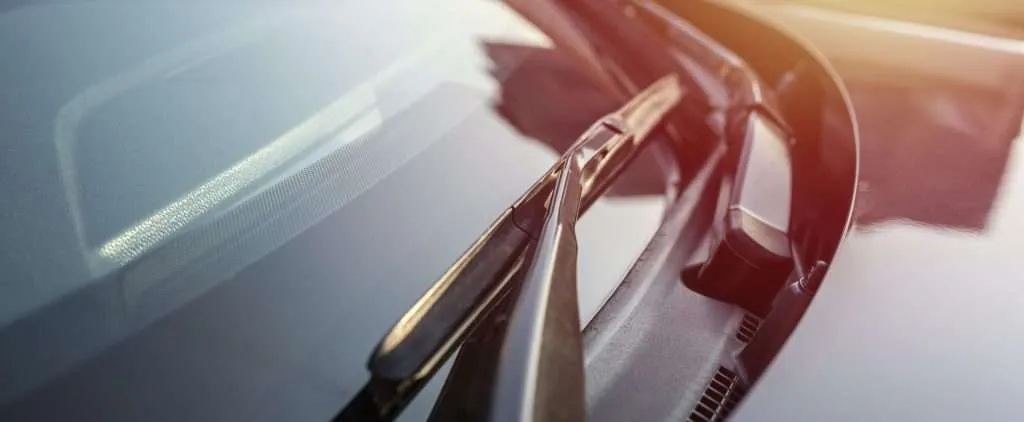
Windshield wiper and washer system inspection helps identify problems that prevent the wipers from clearing the windshield effectively or the washer system from delivering cleaning fluid. Faults such as worn wiper blades, a weak washer pump, clogged spray nozzles, damaged hoses, electrical issues, or a faulty wiper motor can reduce visibility during rain or when dust and dirt accumulate on the glass. During this inspection, a technician checks the wiper blades, arms, linkage, motor, switches, washer fluid reservoir, pump, hoses, nozzles, and electrical connections for signs of wear, damage, leaks, or malfunction. The technician tests the wiper speeds, intermittent settings, parking position, and washer spray pattern to assess overall system performance. Any identified faults are explained, and suitable repairs or replacements are recommended based on the inspection findings. Additional attention may be required if the windshield is damaged or the wiper mechanism has excessive wear. A thorough windshield wiper and washer system inspection helps identify problems early, maintain effective windshield cleaning, improve visibility in adverse weather, and support safer driving.
Wiper Gearbox Replacement

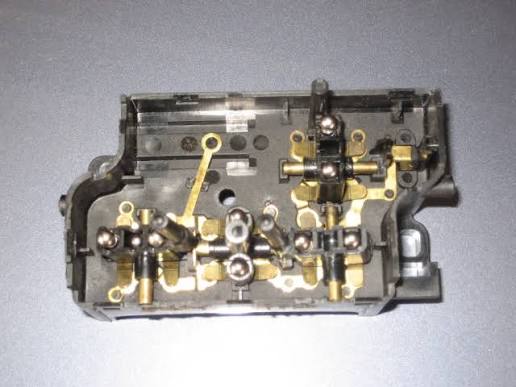
Wiper gearbox replacement helps restore proper windshield wiper movement when the wipers operate unevenly, move intermittently, make unusual noises, or stop moving despite the motor running. The wiper gearbox transfers and converts the motor’s rotational movement into the motion needed to drive the wiper linkage and arms across the windshield. Worn or damaged gearbox components can interfere with smooth wiper operation and reduce the system’s ability to clear rain, dust, and debris. During this service, a technician inspects the wiper gearbox, motor, linkage, connecting joints, and mounting points to identify the cause of the malfunction. The defective gearbox or applicable gearbox assembly is removed and replaced with a compatible component designed for the vehicle. The technician checks the mechanical connections, secures the assembly, and ensures the wiper arms are correctly positioned. The wipers are then tested at the available speeds to confirm smooth movement, proper windshield coverage, and the correct parking position. If the motor, linkage, or electrical connections are also damaged, additional repairs may be necessary. Replacing a faulty wiper gearbox helps restore consistent wiper movement, improve windshield clearing performance, and support safer driving in rainy or dusty conditions.

Spare Tire Installation

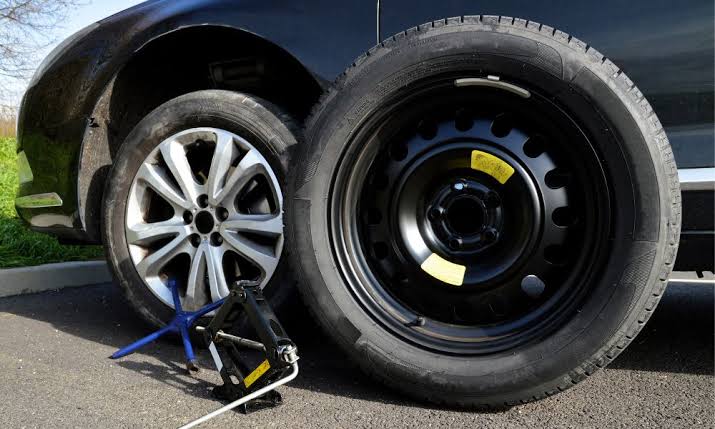
Spare tire installation helps get your vehicle back on the road when a tire is punctured, damaged, or no longer safe to drive on. A properly installed spare tire provides a temporary replacement, allowing you to continue your journey while arranging for the damaged tire to be repaired or replaced. During this service, a technician checks the damaged tire, inspects the spare tire for suitable condition and compatibility, and confirms that it is appropriate for the vehicle. The vehicle is secured safely and lifted using the correct jacking points before the damaged wheel is removed. The spare tire is then fitted onto the wheel hub, and the wheel nuts are tightened in the correct sequence to the manufacturer’s specified torque. The technician checks the spare tire pressure and confirms that the wheel is seated securely. If the spare is a temporary-use tire, the driver is advised to follow its specified speed and distance restrictions. Additional repairs may be needed if the damaged tire, wheel hub, or mounting hardware has other faults. Proper spare tire installation helps restore mobility after a tire problem and supports safer travel until the permanent tire can be repaired or replaced.

Power Window Switch Repair

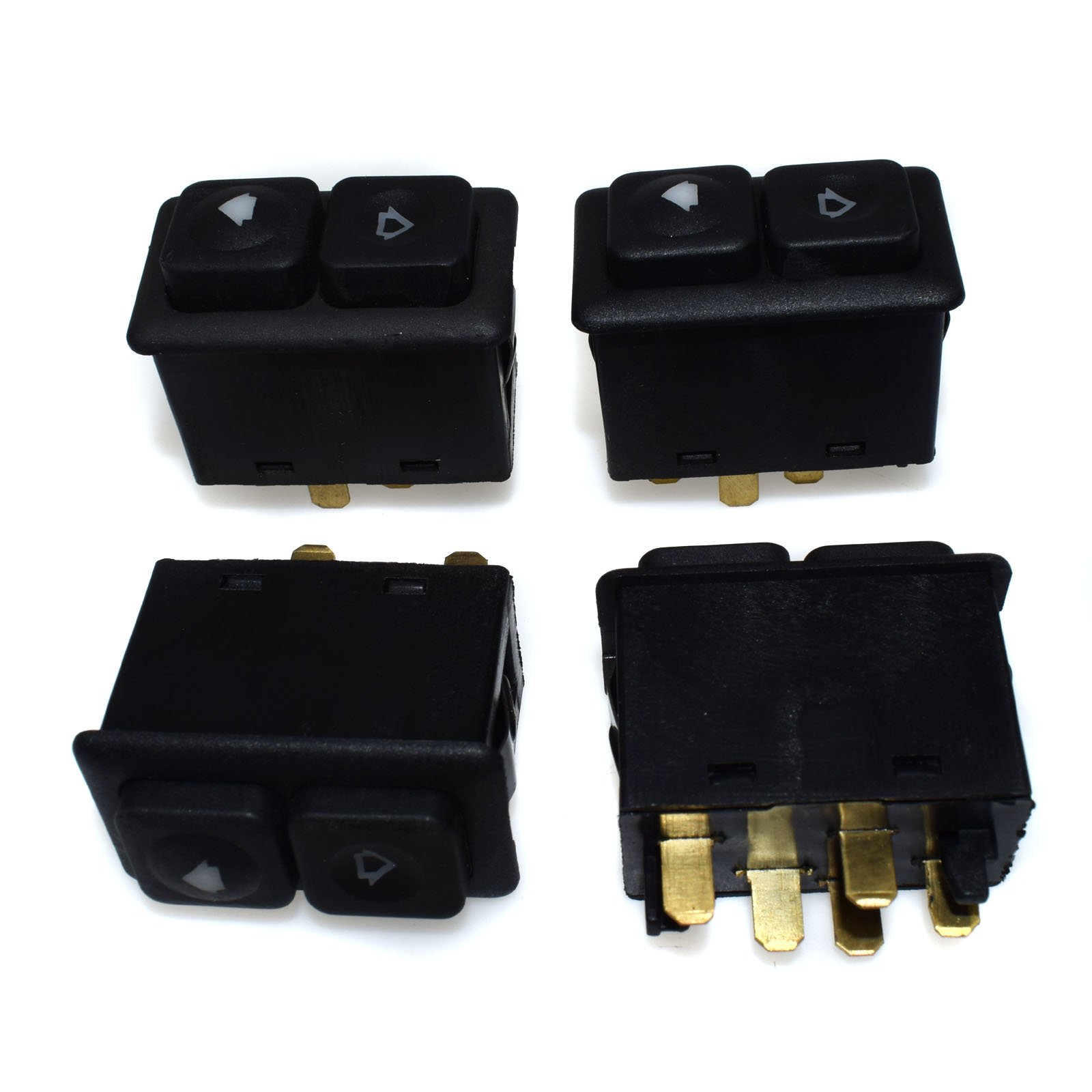
Power window switch repair helps restore reliable electric window operation when a window fails to open or close, responds intermittently, or operates in only one direction. The power window switch allows the driver or passengers to control the movement of the windows using the vehicle’s electrical system. A faulty switch can make it difficult to ventilate the cabin, operate the windows conveniently, or close them securely when parking. During this service, a technician inspects the switch, electrical contacts, wiring, connectors, fuses, and related window control components to identify the source of the problem. Repairable faults, such as loose connections or defective switch contacts, are addressed where possible. If the switch is damaged beyond repair, replacement with a compatible component may be necessary. The technician then tests the affected windows and verifies that the switches operate correctly in the intended directions. If a faulty window motor, damaged regulator, or wiring problem is discovered, additional repairs may be required. Repairing a faulty power window switch helps restore convenient window control, reliable operation, and everyday cabin comfort.

Window Motor Regulator Replacement

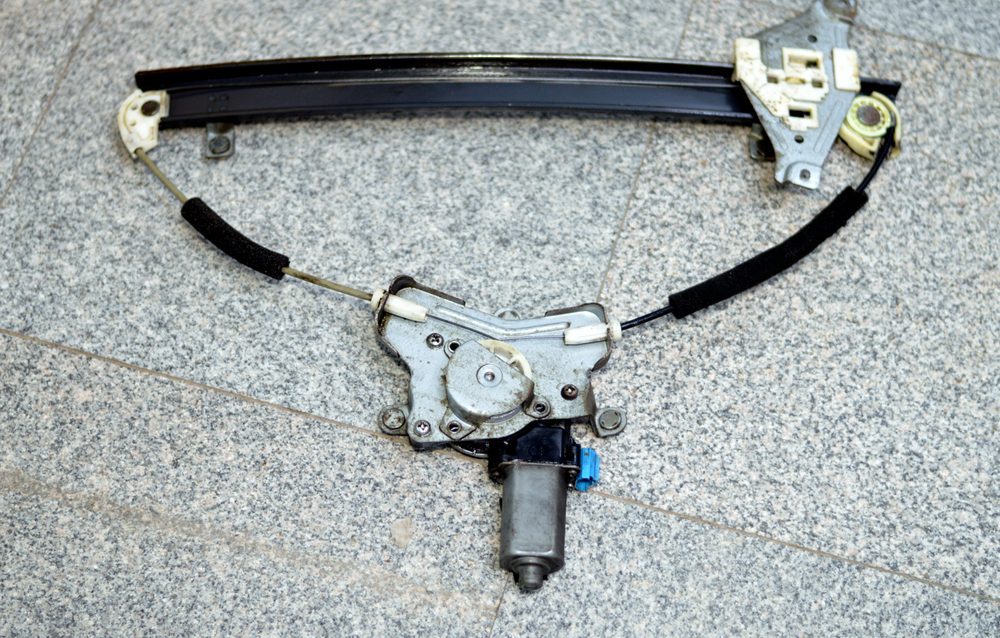
Window motor regulator replacement helps restore proper power window operation when a window becomes stuck, moves unevenly, makes unusual noises, or fails to open and close. The window motor provides the electrical power needed to move the glass, while the regulator guides and supports its movement within the door. When either component fails, the window may become difficult to operate or remain open or closed unexpectedly. During this service, a technician inspects the window motor, regulator mechanism, glass mounting points, switches, wiring, and related components to identify the source of the problem. The faulty motor, regulator, or combined assembly is removed and replaced with a compatible component designed for the vehicle. The technician checks the window glass alignment, secures the mounting points, reconnects the electrical components, and tests the window through its full range of movement. If damaged wiring, worn glass guides, or faulty switches are identified, additional repairs may be necessary. Replacing a defective window motor or regulator helps restore smooth window movement, reliable operation, and convenient control of the vehicle’s power windows.

Clean Windshield Washer Tubes and Jets Inspection

The tubes that make up your windshield washer system are typically several feet long
and are connected directly to your windshield washer reservoir. These tubes are exposed
to all the elements that come from the open road and over time, these tubes will begin
to get clogged and dirty..
The jets are plastic nozzles that are located right at or near the middle of your hood.
These nozzles must spray the windshield washing solution at varying levels of your driving
speed. So cleaning these nozzles periodically is absolutely critical for the system to work.
Clean windshield washer tubes and jets allow you to quickly remove mud and other
impediments that would normally get stuck on your windshield. Some of the symptoms
that may make you think that the windshield washer tubes and jets are dirty may actually
be due to the other components of your windshield washer system. These can be
cleaned out as well if needed.

Combination Switch Assembly Replacement

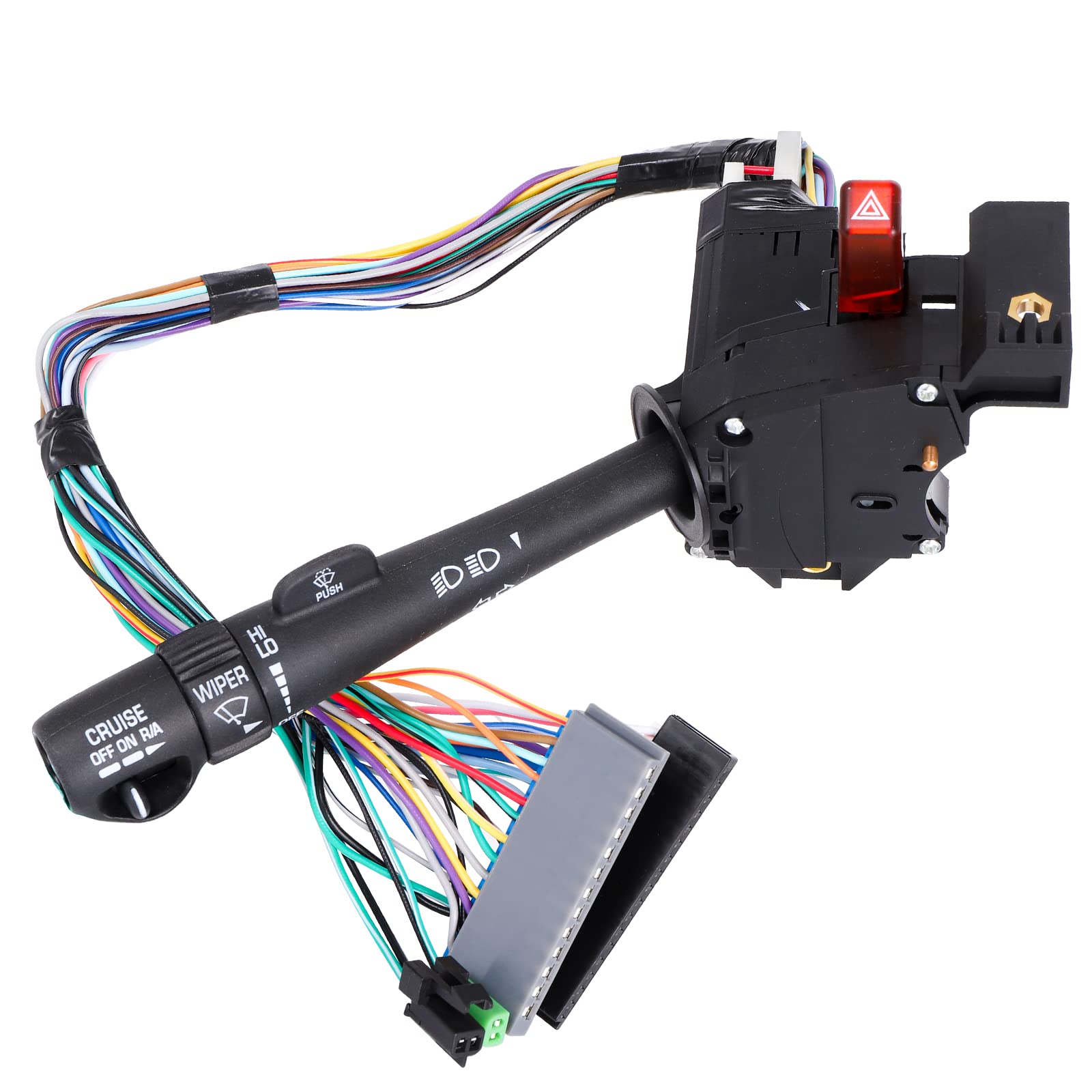
Combination switch assembly replacement helps restore proper operation of steering-column controls when the turn signals, headlights, high beams, or windshield wipers fail to respond correctly, operate intermittently, or stop working. The combination switch assembly allows the driver to control these essential functions without taking their hands away from the steering wheel for extended periods. A faulty assembly can affect visibility, signalling, and the driver’s ability to communicate intentions to other road users. During this service, a technician inspects the combination switch, electrical connectors, wiring, fuses, and related control systems to identify the source of the fault. The defective assembly is removed and replaced with a compatible unit designed for the vehicle’s make, model, and steering-column configuration. The technician reconnects the electrical components and tests the turn signals, headlight settings, high beams, and windshield wipers, as applicable, to confirm that each function operates correctly. If damaged wiring, connectors, or related components are identified, additional repairs may be necessary. Replacing a faulty combination switch assembly helps restore reliable control of essential vehicle functions, supports clear communication with other road users, and promotes safer driving.

Neutral Safety Switch Replacement

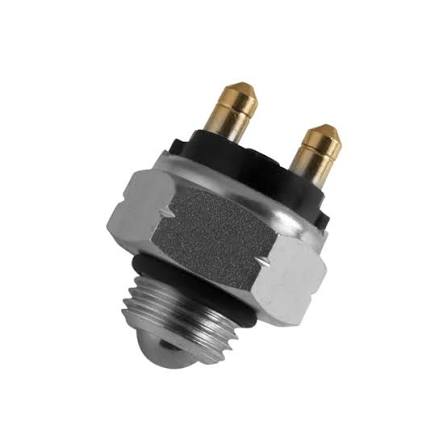
Neutral safety switch replacement helps restore proper starting and gear position detection when a vehicle with an automatic transmission fails to start in Park or Neutral, starts intermittently, or displays symptoms of an incorrect gear position signal. The neutral safety switch prevents the engine from starting in unsafe gear positions, helping reduce the risk of unexpected vehicle movement during startup. A faulty switch can also affect reverse lights or transmission-related signals on some vehicles. During this service, a technician inspects the neutral safety switch, transmission range mechanism, electrical connectors, wiring, and related starting system components to identify the cause of the fault. The defective switch is removed and replaced with a compatible component designed for the vehicle’s transmission system. The technician adjusts the switch where required and tests the starting function in the permitted gear positions, checks the gear position signals, and verifies other switch-controlled functions where applicable. If damaged wiring, a misaligned selector mechanism, or other transmission or starting system faults are identified, additional repairs may be necessary. Replacing a faulty neutral safety switch helps restore reliable starting system operation, supports the vehicle’s intended safety interlock function, and promotes safer vehicle use.

Power Seat Switch Repair

Power seat switch repair helps restore proper electric seat adjustment when the seat fails to move, responds intermittently, or cannot adjust in one or more directions. The power seat switch controls the electric motors responsible for moving the seat forward and backward, raising or lowering its position, and adjusting the seatback angle, depending on the vehicle’s design. A faulty switch can make it difficult to achieve a comfortable driving position or maintain convenient access to the seat controls. During this service, a technician inspects the power seat switch, electrical connectors, wiring, fuses, and seat adjustment motors to identify the cause of the malfunction. Where possible, the switch is repaired by addressing faulty contacts, loose connections, or other serviceable defects. If the switch is damaged beyond repair, replacement with a compatible component may be necessary. The technician then tests the available seat adjustment functions to confirm that the controls respond correctly and the seat moves smoothly in the intended directions. If a defective motor, damaged wiring, or a mechanical obstruction is identified, additional repairs may be required. Repairing a faulty power seat switch helps restore convenient seat adjustment, supports proper driving posture, and improves everyday cabin comfort.

Turn Signal Switch Replacement

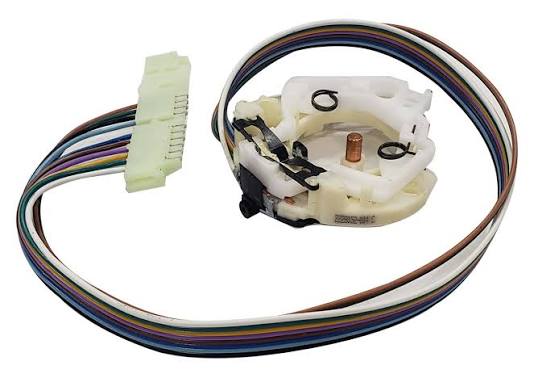
A turn signal switch replacement service addresses problems with indicators that fail to activate, stop flashing, or operate inconsistently when you use the turn signal control. The turn signal switch allows you to activate the left or right indicators to communicate your intention to turn or change lanes. When the switch becomes faulty, other road users may not receive clear warning of your movements, increasing the risk of misunderstandings in traffic. During this service, a technician checks the indicator controls, tests the turn signal circuit, and inspects the switch and its electrical connections to identify the cause of the malfunction. If the switch is defective, it is replaced with a compatible component designed for your vehicle. The technician then tests the left and right indicators, checks that the switch operates correctly, and verifies that the signals cancel automatically after a turn where the vehicle is designed to do so. Replacing a faulty turn signal switch helps restore reliable indicator operation, improves communication with other road users, and supports safer driving when turning or changing lanes.

Search for products

Back to Top
Product has been added to your cart