Call us 24/7+254 700 031 732

Ignition Switch Replacement

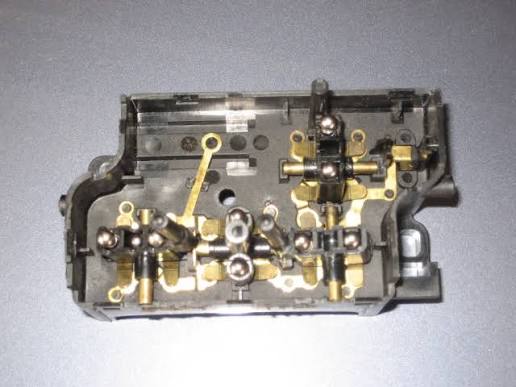
The ignition switch, located on the steering column or in the dashboard, takes the power from the battery and directs it to all the accessories and electrical components of your car. It also transfers the power to the starter when you turn the ignition key. If the starter does not receive power from the ignition key, the car will not start. When the ignition switch goes bad, your car may not start and the accessories (lights, radio, etc.) may not work. Replacing an ignition switch can be as simple as removing a few screws to access the ignition switch, or as complicated as removing the whole steering column.


After an ignition switch is replaced, all electrical components should be checked to ensure proper operation.


Check the condition of the ignition switch. | Remove and replace the ignition switch if it is bad. | Verify operation of electrical components.


The battery feeds power to ignition switch, so it is important for the ignition system that the battery is in good condition. Don’t put too much weight on your key ring because this can damage the key and the tumbler part of the ignition switch. If there is no power inside the car (none of the electrical components are working), have the mechanic inspect the main fuses. If the fuses are good, then the mechanic should inspect the ignition switch and other electrical components.


The ignition switch serves to send power from the battery. When you turn your key to turn on your vehicle, the ignition switch takes power from the battery and sends it to the starter, which allows your vehicle to turn on. When you turn on any electrical components in your vehicle (such as your lights, radio, and air conditioning), the ignition switch draws power from the battery, and sends it to these electrical components to power them. When your ignition switch stops working, your starter and your electrical components have no way of drawing power from your battery. With a faulty ignition switch, you won’t be able to use your radio, lights, or air conditioning, and you won’t be able to turn on your vehicle. In extreme cases, a broken ignition switch won’t allow you to turn your vehicle off, even if you remove the key.
Neutral Safety Switch Replacement

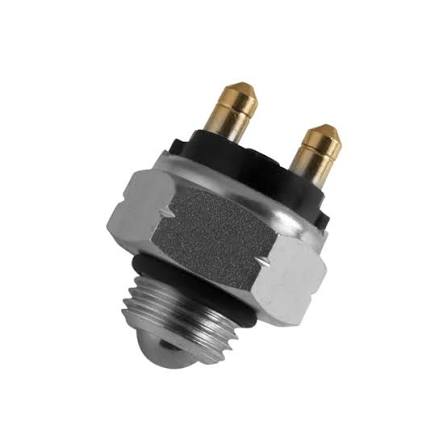
Neutral safety switch replacement helps restore proper starting and gear position detection when a vehicle with an automatic transmission fails to start in Park or Neutral, starts intermittently, or displays symptoms of an incorrect gear position signal. The neutral safety switch prevents the engine from starting in unsafe gear positions, helping reduce the risk of unexpected vehicle movement during startup. A faulty switch can also affect reverse lights or transmission-related signals on some vehicles. During this service, a technician inspects the neutral safety switch, transmission range mechanism, electrical connectors, wiring, and related starting system components to identify the cause of the fault. The defective switch is removed and replaced with a compatible component designed for the vehicle’s transmission system. The technician adjusts the switch where required and tests the starting function in the permitted gear positions, checks the gear position signals, and verifies other switch-controlled functions where applicable. If damaged wiring, a misaligned selector mechanism, or other transmission or starting system faults are identified, additional repairs may be necessary. Replacing a faulty neutral safety switch helps restore reliable starting system operation, supports the vehicle’s intended safety interlock function, and promotes safer vehicle use.

Power Seat Switch Repair

Power seat switch repair helps restore proper electric seat adjustment when the seat fails to move, responds intermittently, or cannot adjust in one or more directions. The power seat switch controls the electric motors responsible for moving the seat forward and backward, raising or lowering its position, and adjusting the seatback angle, depending on the vehicle’s design. A faulty switch can make it difficult to achieve a comfortable driving position or maintain convenient access to the seat controls. During this service, a technician inspects the power seat switch, electrical connectors, wiring, fuses, and seat adjustment motors to identify the cause of the malfunction. Where possible, the switch is repaired by addressing faulty contacts, loose connections, or other serviceable defects. If the switch is damaged beyond repair, replacement with a compatible component may be necessary. The technician then tests the available seat adjustment functions to confirm that the controls respond correctly and the seat moves smoothly in the intended directions. If a defective motor, damaged wiring, or a mechanical obstruction is identified, additional repairs may be required. Repairing a faulty power seat switch helps restore convenient seat adjustment, supports proper driving posture, and improves everyday cabin comfort.

Turn Signal Switch Replacement

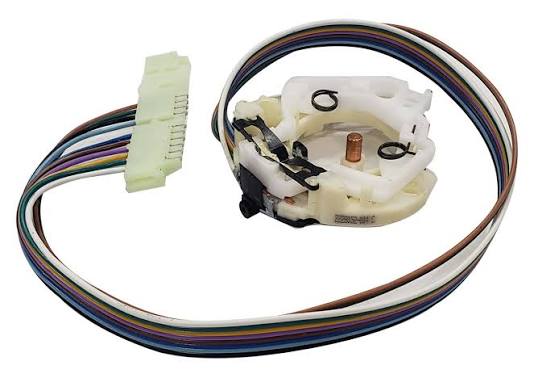
A turn signal switch replacement service addresses problems with indicators that fail to activate, stop flashing, or operate inconsistently when you use the turn signal control. The turn signal switch allows you to activate the left or right indicators to communicate your intention to turn or change lanes. When the switch becomes faulty, other road users may not receive clear warning of your movements, increasing the risk of misunderstandings in traffic. During this service, a technician checks the indicator controls, tests the turn signal circuit, and inspects the switch and its electrical connections to identify the cause of the malfunction. If the switch is defective, it is replaced with a compatible component designed for your vehicle. The technician then tests the left and right indicators, checks that the switch operates correctly, and verifies that the signals cancel automatically after a turn where the vehicle is designed to do so. Replacing a faulty turn signal switch helps restore reliable indicator operation, improves communication with other road users, and supports safer driving when turning or changing lanes.

Tire Rotation

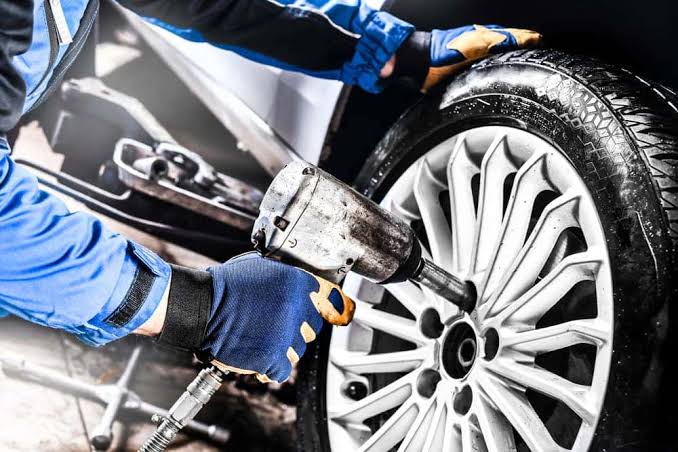
Tire rotation helps promote even tire wear by changing the positions of the tires according to the vehicle manufacturer’s recommended rotation pattern. Because front and rear tires can wear at different rates due to steering, braking, acceleration, and vehicle weight distribution, regular rotation helps maintain more consistent tread wear across all four tires. During this service, a technician inspects the tires for uneven wear, visible damage, cuts, bulges, and other signs of deterioration before moving them to the appropriate positions. The tires are rotated using a pattern suited to the vehicle’s drivetrain, tire type, and directional or asymmetric tread design. The technician also checks tire pressures, adjusts them to the manufacturer’s recommended specifications, and tightens the wheel nuts to the correct torque. If uneven wear suggests wheel alignment problems, incorrect inflation, or suspension issues, further inspection may be recommended. Regular tire rotation helps extend tire service life, support balanced handling, maintain reliable traction, and improve overall driving safety.

Power Steering Pump Pulley Replacement

A power steering pump pulley replacement service addresses problems caused by a damaged, cracked, bent, or worn pulley that affects the operation of your vehicle’s hydraulic power steering pump. The pulley transfers rotational power from the engine through the drive belt to operate the pump, which supplies hydraulic pressure to assist steering. When the pulley becomes damaged or misaligned, you may notice squealing belt noises, pulley wobble, vibration, increased steering effort, or premature wear of the drive belt. During this service, a technician inspects the power steering pump pulley, checks its alignment and mounting, and examines the drive belt and surrounding components for signs of damage. If the pulley is defective, it is removed using the appropriate tools and replaced with a compatible component suited to your vehicle. The technician then verifies pulley alignment, checks belt tension according to the manufacturer’s specifications, and tests the power steering system for smooth operation and abnormal noises. Replacing a faulty power steering pump pulley helps restore reliable belt-driven pump operation, reduce unnecessary belt and component wear, and maintain consistent steering assistance.

Stabilizer Bar Bushings Replacement

Stabilizer bar bushings replacement helps address suspension noises, excessive body roll, and reduced stability caused by worn, cracked, or deteriorated bushings. Stabilizer bar bushings secure the sway bar to the vehicle’s chassis while allowing it to move as the suspension responds to bumps, corners, and changes in road surfaces. When these bushings wear out, you may notice clunking or squeaking noises over uneven roads, increased body movement when cornering, or a less stable driving feel. During this service, a technician inspects the stabilizer bar bushings, mounting brackets, and related suspension components for wear, damage, or looseness. Worn bushings are removed and replaced with compatible parts suited to the vehicle’s suspension design, and the mounting hardware is checked to ensure everything is properly secured. The technician then checks for abnormal movement or noise and may conduct a road test to assess suspension performance. Replacing worn stabilizer bar bushings helps reduce suspension noise, control body roll, and support more stable, predictable handling when turning or driving over uneven surfaces.

Stabilizer Bar Links Replacement

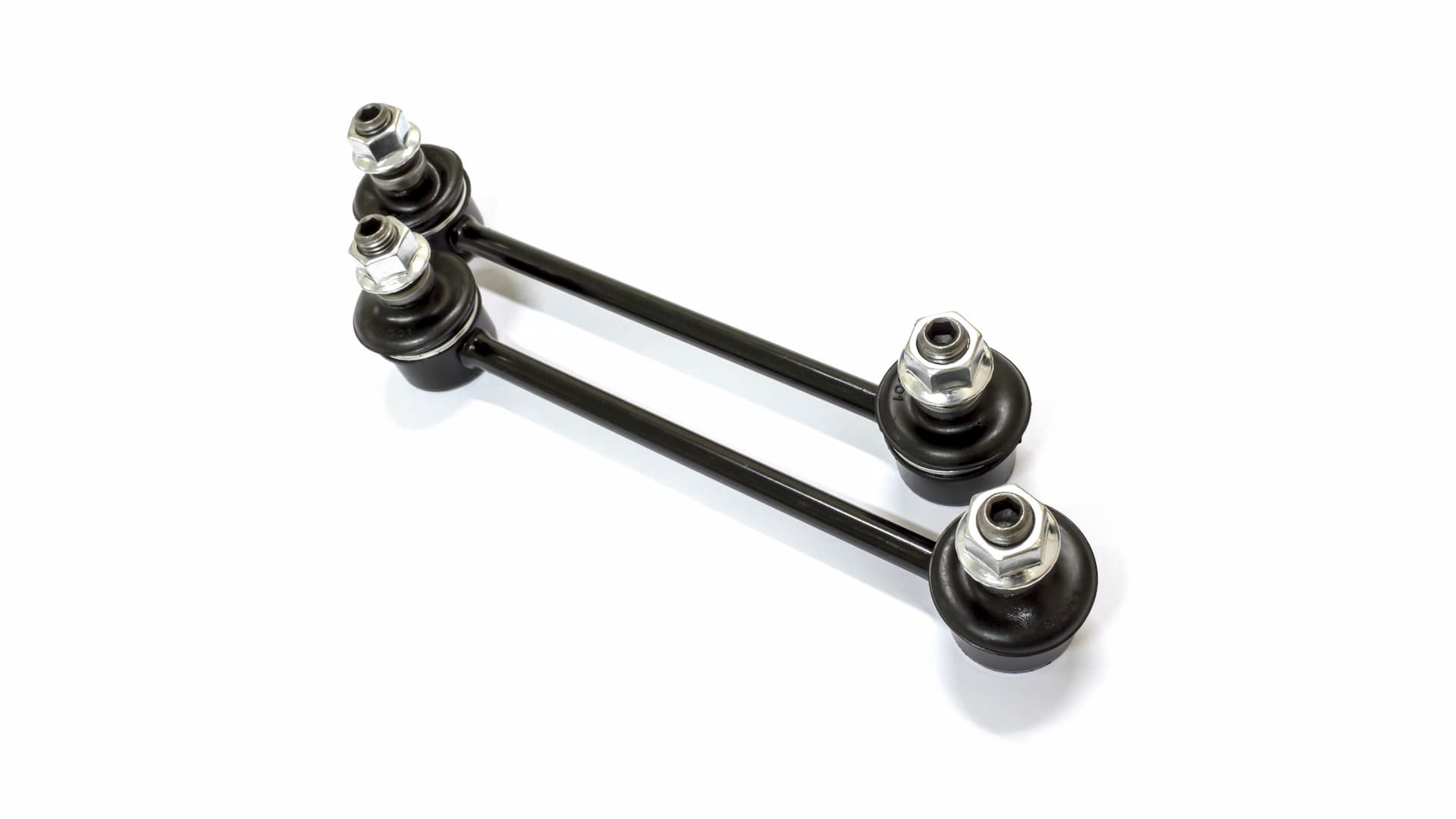
Stabilizer bar links replacement helps restore suspension stability when worn, damaged, or loose links cause clunking noises, excessive body movement, or reduced control when cornering. Stabilizer bar links connect the stabilizer bar to the suspension components, helping transfer movement between the left and right sides of the suspension to reduce body roll during turns. When the links or their joints wear out, you may notice knocking sounds over bumps, rattling from the suspension, or less stable handling on uneven roads and around corners. During this service, a technician inspects the stabilizer bar links, joints, mounting points, and related suspension components for looseness, corrosion, or damage. Faulty links are removed and replaced with compatible parts designed for your vehicle, and the fasteners are tightened to the manufacturer’s specifications. The technician then checks the surrounding components and may perform a road test to confirm that abnormal noises have been reduced and suspension performance has improved. Replacing worn stabilizer bar links helps reduce suspension rattles, improve body-roll control, and support more predictable handling and stability while driving.

Steering Damper Replacement

Steering damper replacement helps address steering vibration, excessive shimmy, and instability caused by a worn, leaking, or damaged steering damper. Fitted to certain vehicles, particularly some 4WDs, trucks, and vehicles with solid front axles, the steering damper helps absorb sudden movements and vibrations transmitted through the steering linkage when driving over rough roads or uneven surfaces. When the damper deteriorates, you may notice increased steering shake, reduced steering stability over bumps, or unusual movement through the steering wheel. During this service, a technician inspects the steering damper for fluid leaks, physical damage, worn mounting bushes, and loose connections, while checking related steering and suspension components for contributing faults. A faulty damper is replaced with a compatible unit suited to the vehicle’s steering system, and the mounting hardware is secured according to the manufacturer’s specifications. The technician then checks the installation and may conduct a road test to assess steering response and vibration control. Replacing a worn steering damper helps reduce unwanted steering oscillation, improve stability on uneven roads, and support more controlled handling when the vehicle is driven under suitable conditions.

Steering Rack/Gearbox Replacement

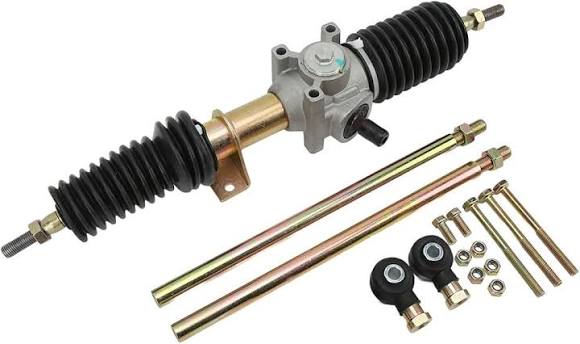
Steering rack or gearbox replacement helps restore accurate steering control when the steering mechanism is worn, damaged, leaking, or no longer operating correctly. The steering rack or gearbox transfers movement from the steering wheel to the wheels, allowing the driver to change direction and maintain control of the vehicle. When it develops a fault, you may notice excessive steering play, stiff or uneven steering, knocking noises when turning, fluid leaks in hydraulic systems, or difficulty keeping the vehicle on course. During this service, a technician inspects the steering rack or gearbox, mounting points, tie rods, steering connections, and related components to identify the fault and check for associated wear. The faulty unit is removed and replaced with a compatible assembly suited to the vehicle’s steering system. Where applicable, hydraulic power steering lines are reconnected, the correct fluid is added, and the system is bled according to manufacturer recommendations. The technician checks the installation, verifies steering operation, and arranges a wheel alignment to ensure the wheels are correctly positioned. Replacing a faulty steering rack or gearbox helps improve steering response, reduce unwanted play, and restore more predictable vehicle control.

Search for products

Back to Top
Product has been added to your cart