Call us 24/7+254 700 031 732

Steering Rack/Gearbox Replacement

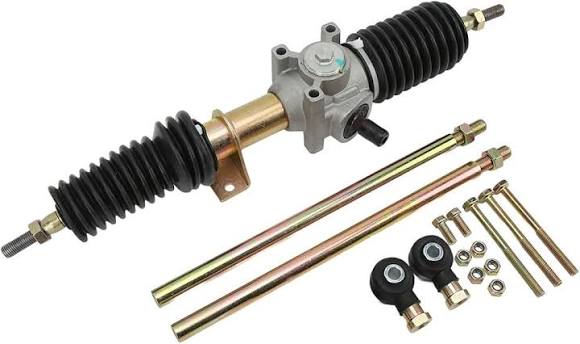
Steering rack or gearbox replacement helps restore accurate steering control when the steering mechanism is worn, damaged, leaking, or no longer operating correctly. The steering rack or gearbox transfers movement from the steering wheel to the wheels, allowing the driver to change direction and maintain control of the vehicle. When it develops a fault, you may notice excessive steering play, stiff or uneven steering, knocking noises when turning, fluid leaks in hydraulic systems, or difficulty keeping the vehicle on course. During this service, a technician inspects the steering rack or gearbox, mounting points, tie rods, steering connections, and related components to identify the fault and check for associated wear. The faulty unit is removed and replaced with a compatible assembly suited to the vehicle’s steering system. Where applicable, hydraulic power steering lines are reconnected, the correct fluid is added, and the system is bled according to manufacturer recommendations. The technician checks the installation, verifies steering operation, and arranges a wheel alignment to ensure the wheels are correctly positioned. Replacing a faulty steering rack or gearbox helps improve steering response, reduce unwanted play, and restore more predictable vehicle control.
Strut Assembly Replacement

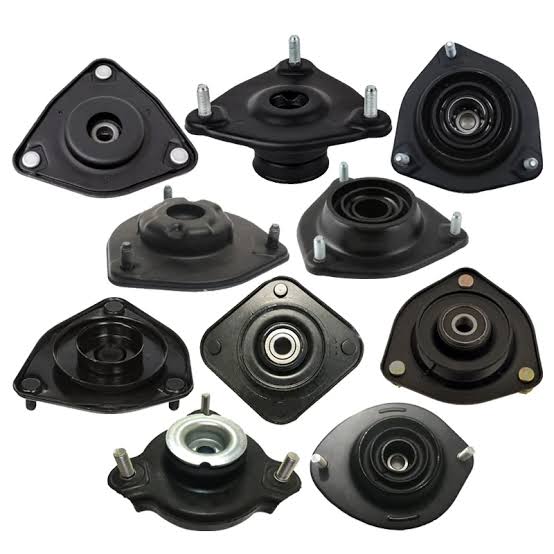
Strut assembly replacement helps restore suspension performance when worn, leaking, or damaged struts affect ride comfort, handling, and vehicle stability. A strut assembly combines a shock absorber with structural suspension components and, depending on the vehicle design, may include a coil spring, mounting plate, and bearing. When the assembly deteriorates, you may notice excessive bouncing, knocking noises over bumps, uneven tyre wear, poor cornering stability, or a rough ride. During this service, a technician inspects the strut assemblies, mounting points, springs, and related suspension components for leaks, damage, and wear. Faulty assemblies are removed and replaced with compatible units suited to the vehicle’s suspension design, with care taken when handling spring-loaded components. The technician then checks the mounting hardware and related steering and suspension parts, followed by a wheel alignment where required by the vehicle manufacturer or affected by the repair. A road test may also be performed to assess ride quality and handling. Replacing worn strut assemblies helps improve ride comfort, control excessive body movement, support consistent tyre contact with the road, and restore more predictable vehicle handling.

Air Bag Suspension Repair

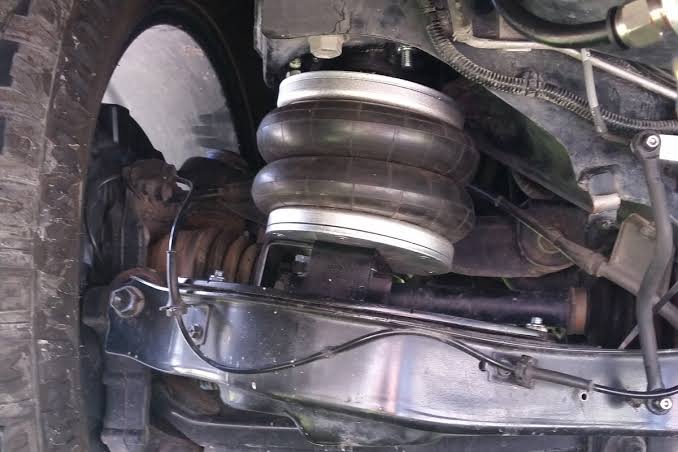
Air bag suspension repair addresses problems with a vehicle’s air suspension system that can cause uneven ride height, a sagging corner, a harsh ride, or warning messages on the dashboard. Air suspension systems use inflatable air springs, along with components such as an air compressor, valves, sensors, and air lines, to support vehicle weight and maintain the appropriate ride height. When a leak, damaged air spring, faulty sensor, compressor problem, or valve malfunction develops, the vehicle may sit too low, struggle to raise or level itself, or lose ride comfort and stability. During this service, a technician inspects the air springs, air lines, connections, compressor, valves, and height sensors, using suitable diagnostic equipment to identify the cause of the fault. Damaged or defective components are repaired or replaced with compatible parts, and the system is checked for air leaks and correct operation. The technician then verifies ride height, checks for warning lights, and tests the system’s ability to adjust or maintain vehicle height as designed. Timely air bag suspension repair helps restore proper vehicle height, improve ride comfort, and support stable handling while reducing the risk of further damage caused by continued operation with a faulty suspension system.

Suspension Spring Coils Replacement

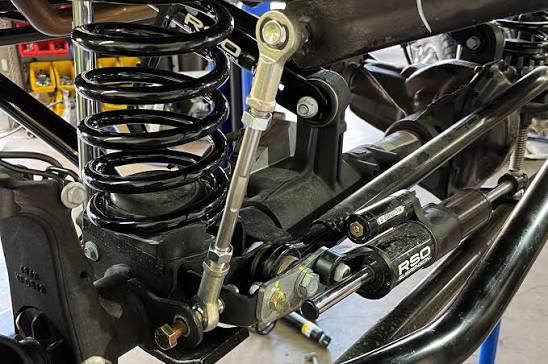
Suspension spring coils replacement helps restore the vehicle’s ride height, load support, and suspension performance when coil springs become worn, damaged, sagging, or broken. Coil springs support the vehicle’s weight and absorb road impacts by compressing and expanding as the wheels move over bumps and uneven surfaces. Faulty springs may cause one corner of the vehicle to sit lower than the others, unusual suspension noises, a rough ride, reduced stability, or uneven tyre wear. During this service, a technician inspects the coil springs for cracks, corrosion, breakage, and loss of height, while checking related components such as struts, shock absorbers, spring seats, and mounting points for damage or wear. Defective springs are replaced with compatible parts that meet the vehicle’s specifications, with appropriate safety equipment used to manage spring tension during removal and installation. The technician then checks that the springs are correctly seated and that associated suspension components are secure. Wheel alignment is checked or performed where required, and a road test may be carried out to assess ride height, comfort, and handling. Replacing damaged or sagging coil springs helps restore proper suspension support, improve vehicle stability, and promote more consistent handling and tyre contact with the road.

Sway Bar Replacement

Sway bar replacement helps restore suspension stability when a stabilizer bar becomes bent, cracked, corroded, or damaged and can no longer control body roll effectively. The sway bar connects the left and right sides of the suspension, helping reduce excessive vehicle lean when cornering and supporting more balanced handling on uneven roads. A damaged bar may cause clunking noises, increased body roll, or reduced stability during turns, although worn bushings or links can produce similar symptoms. During this service, a technician inspects the sway bar, mounting brackets, bushings, links, and connecting points to identify the source of the problem and check for related wear. If the bar is faulty, it is removed and replaced with a compatible component designed for the vehicle’s suspension system. The mounting hardware and associated components are then checked and secured according to manufacturer specifications. After installation, the technician checks for abnormal movement or noise and may perform a road test to assess suspension response and handling. Replacing a damaged sway bar helps control excessive body roll, reduce unwanted suspension movement, and support more stable, predictable handling when cornering.

Tie Rod End Replacement

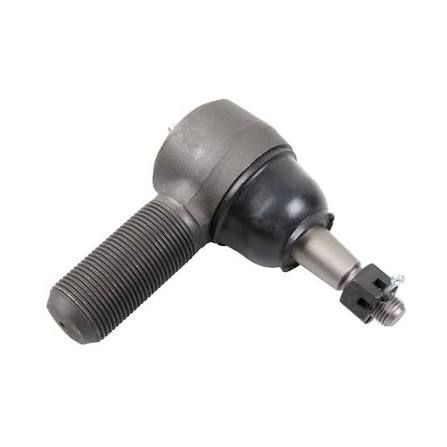
Tie rod end replacement helps restore precise steering control when worn, loose, or damaged tie rod ends affect the vehicle’s handling and wheel alignment. Tie rod ends connect the steering linkage to the steering knuckles, allowing steering wheel movement to turn the front wheels. When these joints deteriorate, you may notice looseness in the steering wheel, clunking noises when turning or driving over bumps, uneven tyre wear, or difficulty maintaining a straight driving path. During this service, a technician inspects the tie rod ends for excessive play, damaged rubber boots, corrosion, and signs of wear, while checking related steering components for additional faults. A faulty tie rod end is removed and replaced with a compatible part suited to the vehicle’s steering system, and the connections are secured according to manufacturer specifications. The technician then checks the steering linkage and arranges a wheel alignment to help restore the correct wheel angles. A road test may also be performed to assess steering response and handling. Replacing worn tie rod ends helps improve steering accuracy, reduce unwanted movement, promote even tyre wear, and support safer, more predictable vehicle control.
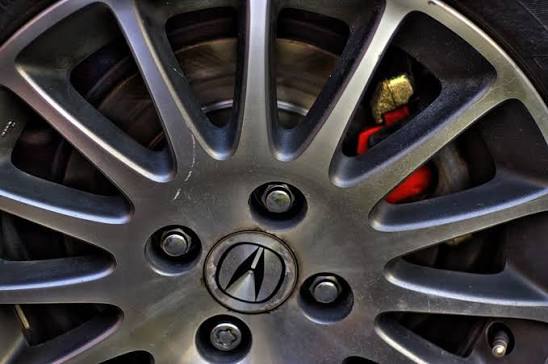
Tighten Wheel Lug Nuts

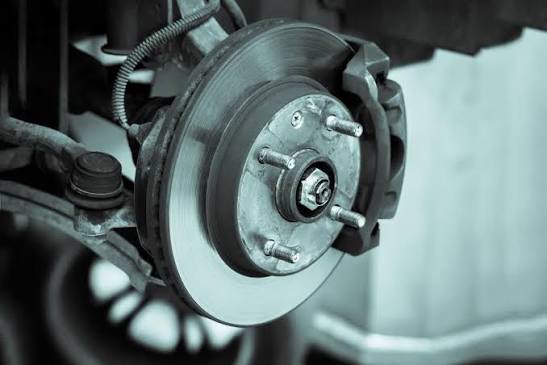
Tightening wheel lug nuts helps ensure that your vehicle’s wheels are securely fastened and properly seated against the wheel hubs. Lug nuts can become loose if they were not tightened correctly during a previous wheel installation or after tyre or brake service, potentially causing wheel movement, vibration, or unusual noises while driving. During this service, a technician checks the condition of the lug nuts, wheel studs, and wheel mounting surfaces for damage, missing hardware, or signs of improper seating. The lug nuts are then tightened in the correct sequence using a calibrated torque wrench set to the vehicle manufacturer’s specified torque, helping ensure even clamping force without overtightening. If damaged threads, stretched studs, or defective lug nuts are identified, the affected components may need replacement rather than simply tightening. The technician also confirms that the wheel is seated correctly and checks any relevant installation concerns. Properly tightened wheel lug nuts help maintain secure wheel attachment, reduce the risk of wheel-related problems, and support safer driving after tyre changes, wheel removal, or other maintenance work.

Universal Joint (U-joint) Replacement

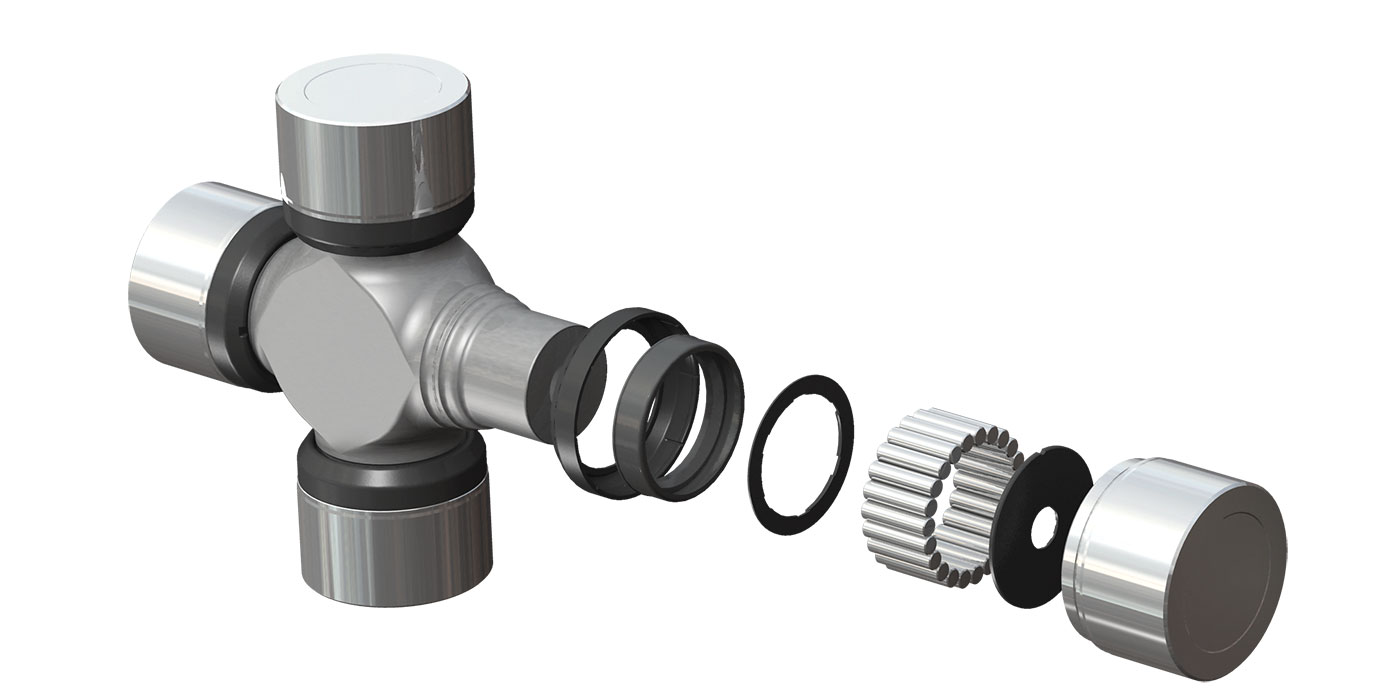
Universal joint (U-joint) replacement helps restore smooth power transfer when a worn, damaged, or seized universal joint affects the operation of your vehicle’s driveshaft. U-joints connect rotating driveline components and allow the driveshaft to accommodate changes in angle as the suspension moves or the drivetrain operates. When a U-joint begins to fail, you may notice clunking when shifting between drive and reverse, vibration during acceleration, squeaking noises from underneath the vehicle, or looseness in the driveshaft. During this service, a technician inspects the universal joints, driveshaft, retaining clips, and related driveline components for excessive play, rust, damaged bearings, or signs of wear. The faulty U-joint is removed and replaced with a compatible part suited to the vehicle, ensuring the joint is correctly seated and secured. The technician then checks driveshaft movement, mounting points, and related components, and lubricates the new joint where the design requires it. A road test may be performed to assess driveline vibration and smoothness. Replacing a worn U-joint helps reduce abnormal noise and vibration, restore reliable driveshaft movement, and support smoother power delivery to the driven wheels.

Wheel Bearings Replacement

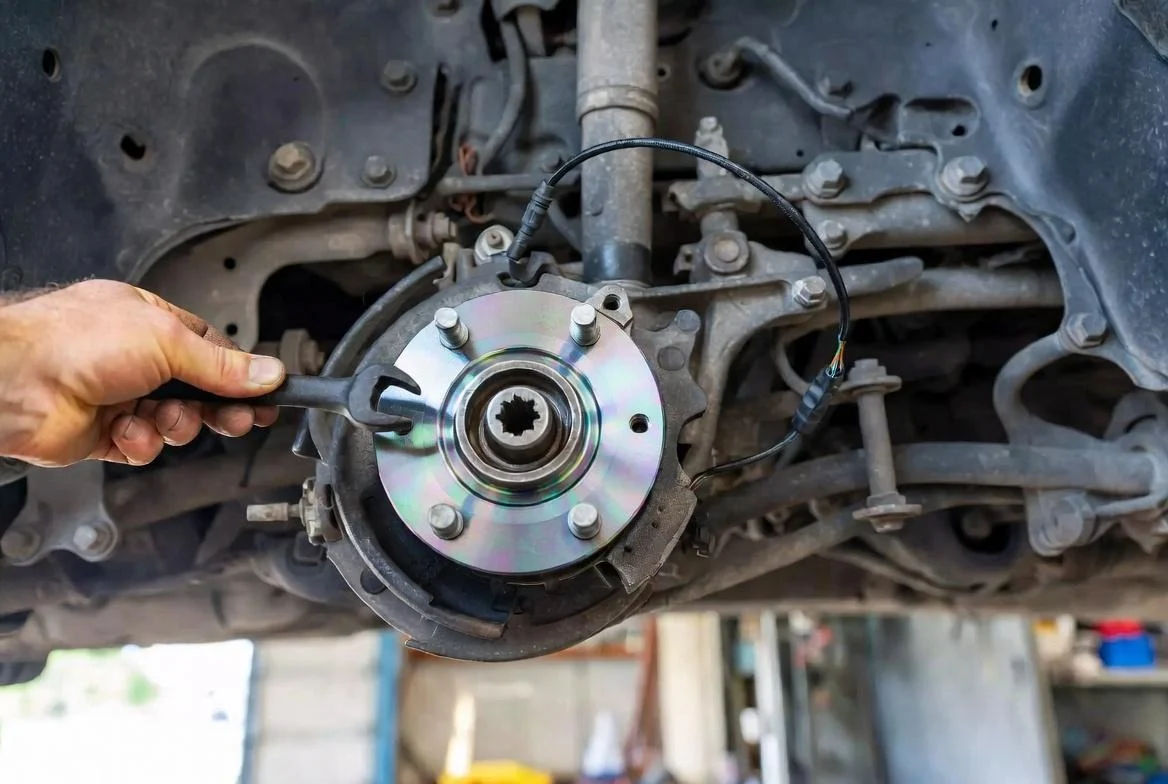
Wheel bearings replacement helps restore smooth wheel rotation and reliable vehicle handling when worn, damaged, or noisy bearings affect the operation of your wheels. Wheel bearings support the wheel hub and allow the wheels to rotate with minimal friction while helping maintain proper wheel positioning. When a bearing begins to fail, you may notice humming, grinding, or rumbling noises that change with vehicle speed, vibration, uneven tyre wear, or looseness in the wheel. During this service, a technician inspects the affected wheel bearing, hub assembly, and surrounding components for excessive play, noise, heat damage, or wear. The faulty bearing or hub assembly is removed and replaced with a compatible component suited to the vehicle’s design. Where applicable, the technician checks the seals, mounting hardware, and ABS wheel speed sensor, then tightens fasteners to the manufacturer’s specifications. The wheel is reinstalled, and the technician checks for smooth rotation, correct fitment, and any remaining abnormal movement or noise. A road test may be performed to verify the repair. Replacing worn wheel bearings helps reduce unwanted noise and friction, maintain proper wheel support, and support safe, stable vehicle operation.

Wheel Stud Replacement

Wheel stud replacement helps restore secure wheel attachment when one or more wheel studs are broken, bent, stripped, or damaged. Faulty wheel studs can prevent lug nuts from tightening correctly, make wheel removal difficult, and compromise the security of the wheel. During this service, a technician inspects the wheel studs, lug nuts, wheel hub, and mounting surfaces for damage, corrosion, or worn threads. Damaged studs are removed and replaced with compatible components designed for the vehicle. The technician checks the related hardware, reinstalls the wheel, and tightens the lug nuts in the correct sequence to the manufacturer’s specified torque using a calibrated torque wrench. If the wheel hub or other mounting components are damaged, additional repairs may be required. Replacing faulty wheel studs helps restore secure wheel mounting, supports proper wheel installation, and promotes safer vehicle operation.

Search for products

Back to Top
Product has been added to your cart