Call us 24/7+254 700 031 732

Air Charge Temperature Sensor Replacement

An air charge temperature sensor replacement service addresses problems caused by a faulty sensor that provides inaccurate readings of the temperature of air entering the engine. This sensor helps the engine control unit (ECU) calculate the appropriate fuel delivery and ignition timing based on incoming air conditions. When the sensor malfunctions, you may experience rough idling, reduced engine performance, poor fuel economy, difficulty starting, or an illuminated check engine light. During this service, a technician scans the vehicle for diagnostic trouble codes, checks the sensor wiring and electrical connections, and confirms whether the sensor is responsible for the problem. If the sensor is defective, it is replaced with a compatible component suited to your vehicle’s engine and specifications. The technician then checks the sensor readings, clears relevant fault codes where appropriate, and verifies that the engine management system is operating correctly. Replacing a faulty air charge temperature sensor helps restore accurate air temperature measurements, supports proper fuel and ignition control, and promotes smoother engine operation and efficient performance.

Air Cleaner Temperature Sensor Replacement

A car air cleaner temperature sensor replacement service addresses problems caused by a faulty sensor that measures the temperature of air entering through or around the air cleaner system. This sensor provides temperature information to the engine management system, helping it adjust engine operation according to incoming air conditions in vehicles equipped with this component. When the sensor fails or sends inaccurate readings, you may experience rough idling, reduced engine performance, increased fuel consumption, or an illuminated check engine light. During this service, a technician checks the relevant diagnostic trouble codes, inspects the sensor and its wiring, and confirms whether the sensor is causing the problem. If it is defective, the technician replaces it with a compatible component suited to your vehicle’s specifications. The sensor readings and related engine management functions are then checked to verify correct operation. Replacing a faulty air cleaner temperature sensor helps restore accurate temperature readings, supports proper engine management, and promotes reliable engine performance and efficient operation.

Camshaft Position Sensor Replacement

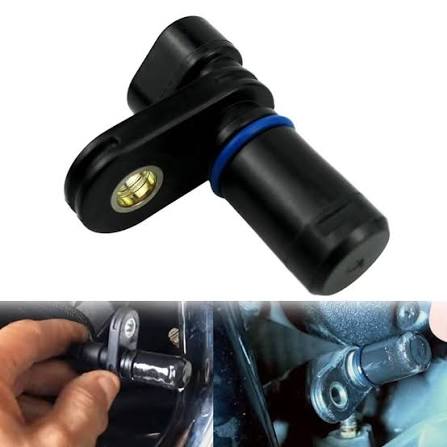
A camshaft position sensor replacement service addresses engine performance problems caused by a faulty sensor that monitors the position and speed of the camshaft. This sensor sends timing information to the engine control unit (ECU), helping coordinate fuel injection and ignition timing according to the engine’s design. When the sensor fails or provides inaccurate signals, you may experience difficulty starting the engine, rough idling, engine misfires, reduced power, or an illuminated check engine light. During this service, a technician scans the vehicle for diagnostic trouble codes, inspects the sensor and its electrical connections, and confirms whether the sensor is responsible for the fault. If the sensor is defective, it is replaced with a compatible component suited to your vehicle’s engine specifications. The technician then checks the sensor signal, clears relevant fault codes where appropriate, and verifies that the engine starts and runs correctly. Replacing a faulty camshaft position sensor helps restore accurate engine timing signals, supports reliable starting and smooth engine operation, and helps maintain proper engine management performance.

Mass Airflow Sensor Replacement

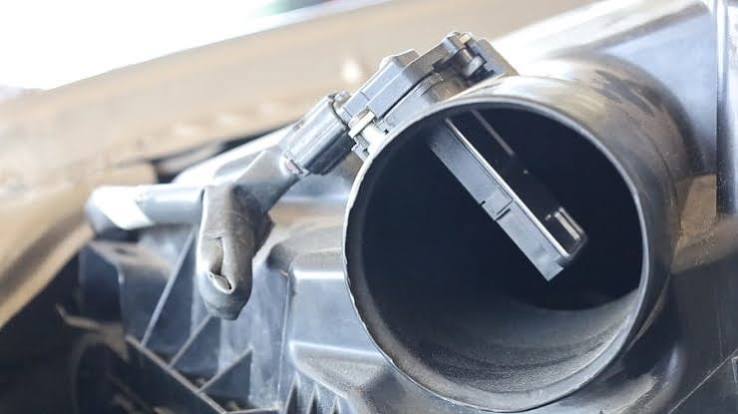
A mass airflow sensor replacement service addresses engine performance problems caused by a faulty sensor that measures the amount of air entering the engine. The sensor sends airflow data to the engine control unit (ECU), allowing it to calculate the appropriate fuel delivery for efficient combustion and smooth engine operation. When the sensor becomes faulty or provides inaccurate readings, you may experience rough idling, hesitation during acceleration, reduced engine power, increased fuel consumption, or an illuminated check engine light. During this service, a technician scans the vehicle for diagnostic trouble codes, inspects the mass airflow sensor and its electrical connections, and checks the intake system for air leaks or other issues that could affect the readings. If the sensor is confirmed to be defective, it is replaced with a compatible component suited to your vehicle’s specifications. The technician then verifies the sensor readings and checks engine operation to confirm that the system is functioning correctly. Replacing a faulty mass airflow sensor helps restore accurate airflow measurement, supports proper fuel management, and promotes smoother acceleration, reliable engine performance, and efficient fuel consumption.

Oxygen Sensor Replacement

Oxygen sensor replacement helps restore accurate monitoring of exhaust gases, allowing your vehicle’s engine management system to regulate the air-fuel mixture and maintain efficient engine operation. The oxygen sensor measures the amount of oxygen in the exhaust and sends signals to the engine control unit, helping it adjust fuel delivery for effective combustion and emission control. Over time, the sensor may become contaminated, worn, or electrically faulty, resulting in inaccurate readings and reduced engine efficiency. Common warning signs include an illuminated check engine light, increased fuel consumption, rough idling, engine hesitation, or emissions test failures. During this service, a qualified mechanic uses diagnostic equipment to check relevant fault codes and inspect the oxygen sensor, electrical wiring, connectors, and exhaust system for damage or leaks. The mechanic confirms whether the sensor is faulty before removing it and installing a compatible replacement that meets the vehicle manufacturer’s specifications. The electrical connections are secured, and the engine management system is tested to verify that the replacement sensor provides accurate readings.

Speedometer Sensor Replacement

A speedometer sensor replacement service addresses problems with inaccurate, erratic, or non-functioning speedometer readings caused by a faulty vehicle speed sensor. This sensor measures the vehicle’s speed and sends information to the relevant electronic systems, helping the speedometer display road speed and supporting functions such as transmission shifting, cruise control, and anti-lock braking, depending on the vehicle’s design. When the sensor fails or sends incorrect signals, you may notice a speedometer that fluctuates, stops working, or displays an incorrect speed, along with possible warning lights or transmission performance issues. During this service, a technician checks the vehicle for diagnostic trouble codes, inspects the sensor and its wiring, and tests the relevant circuit to identify the source of the fault. If the sensor is defective, it is replaced with a compatible component suited to your vehicle’s specifications. The technician then verifies the sensor readings and checks the speedometer for accurate operation. Replacing a faulty speedometer sensor helps restore reliable speed readings, supports the proper operation of related vehicle systems, and helps you monitor your driving speed more confidently.

Throttle Position Sensor (TPS) Replacement

A throttle position sensor (TPS) replacement service addresses engine performance problems caused by a faulty sensor that monitors the position of the throttle valve as you press or release the accelerator pedal. The sensor sends information to the engine control unit (ECU), helping it regulate fuel delivery and engine response according to the throttle opening. When the TPS fails or provides inaccurate readings, you may experience hesitation during acceleration, irregular idling, sudden changes in engine speed, poor fuel economy, or an illuminated check engine light. During this service, a technician scans the vehicle for diagnostic trouble codes, inspects the sensor and its electrical connections, and tests its signal to confirm whether it is responsible for the problem. If the sensor is defective, it is replaced with a compatible component suited to your vehicle’s specifications. The technician then verifies the sensor readings and performs any required calibration or relearning procedure according to the manufacturer’s instructions. Replacing a faulty throttle position sensor helps restore accurate throttle monitoring, improves accelerator response, supports smooth engine operation, and helps maintain proper engine management performance.

Throttle/Accelerator Pedal Position Sensor Replacement

A throttle/accelerator pedal position sensor replacement service addresses problems caused by a faulty sensor that monitors how far you press the accelerator pedal. The sensor sends electronic signals to the engine control unit (ECU), which uses this information to regulate engine power and throttle response in vehicles equipped with electronic throttle control. When the sensor fails or provides inaccurate readings, you may experience delayed acceleration, inconsistent engine response, reduced power, difficulty maintaining speed, or an illuminated check engine light. During this service, a technician scans the vehicle for diagnostic trouble codes, inspects the accelerator pedal sensor and its electrical connections, and tests the sensor signals to identify the cause of the problem. If the sensor is defective, it is replaced with a compatible component suited to your vehicle’s specifications. The technician then verifies the sensor readings and performs any required calibration or relearning procedure according to the manufacturer’s instructions. Replacing a faulty accelerator pedal position sensor helps restore accurate pedal input detection, supports consistent throttle response, and promotes reliable engine control and safer vehicle operation.

Top Dead Center (TDC) Sensor Replacement

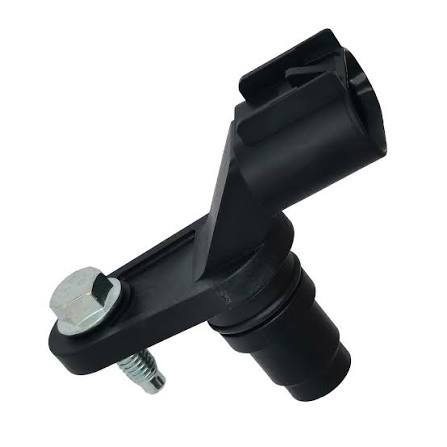
A Top Dead Center (TDC) sensor replacement service addresses engine starting and performance problems caused by a faulty sensor that helps identify the piston’s position at the top of its travel during the engine cycle. The sensor provides timing information to the engine control unit (ECU), supporting accurate ignition timing and, depending on the engine design, fuel injection control. When the TDC sensor fails or sends inaccurate signals, you may experience difficulty starting the engine, rough idling, engine misfires, poor performance, or an illuminated check engine light. During this service, a technician checks diagnostic trouble codes, inspects the sensor and its electrical connections, and tests the signal to determine whether the sensor is responsible for the fault. If the sensor is defective, it is replaced with a compatible component suited to your vehicle’s engine specifications. The technician then verifies the sensor signal and checks engine starting and operation to confirm the repair. Replacing a faulty TDC sensor helps restore accurate engine timing information, supports reliable starting, and promotes smoother engine operation and dependable performance.

Search for products

Back to Top
Product has been added to your cart