Call us 24/7+254 700 031 732

Power Mirror is not working Inspection

A power mirror that is not working can make it difficult to adjust your side mirrors for a clear view of surrounding traffic, affecting visibility and driving safety. Our power mirror inspection helps identify the cause, which may include a blown fuse, faulty mirror switch, damaged wiring, a failed adjustment motor, or a problem with the mirror assembly. We check the relevant electrical connections and mirror controls to determine the correct repair and avoid unnecessary replacement of parts. Prompt diagnosis helps restore convenient mirror adjustment, improve visibility when changing lanes or reversing, and ensure your vehicle’s mirror system works as intended. Book an inspection to identify the fault and get the right repair for your vehicle.
Parking brake won’t release Inspection

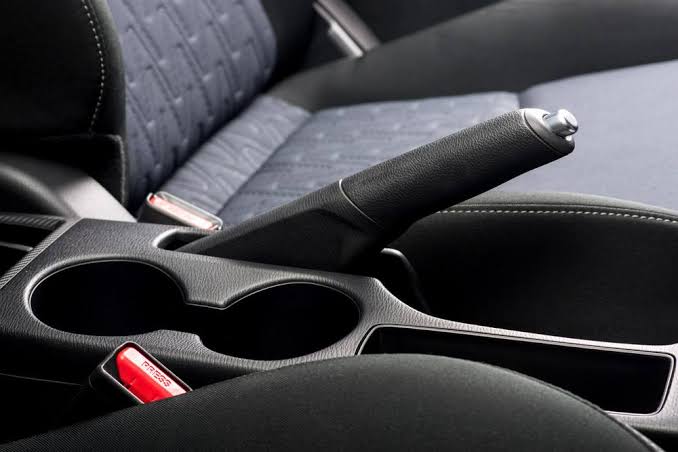
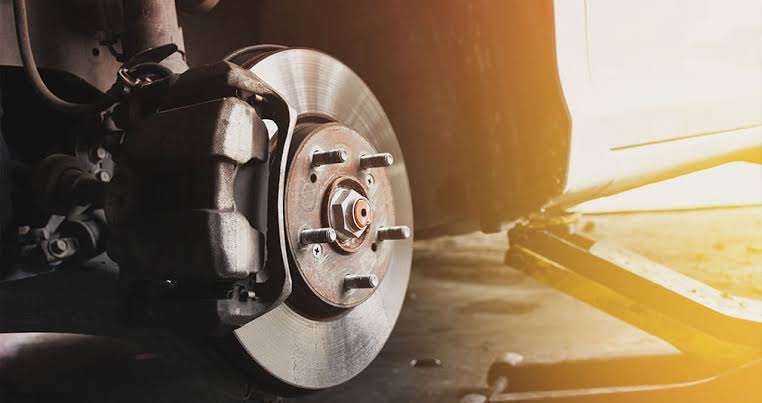
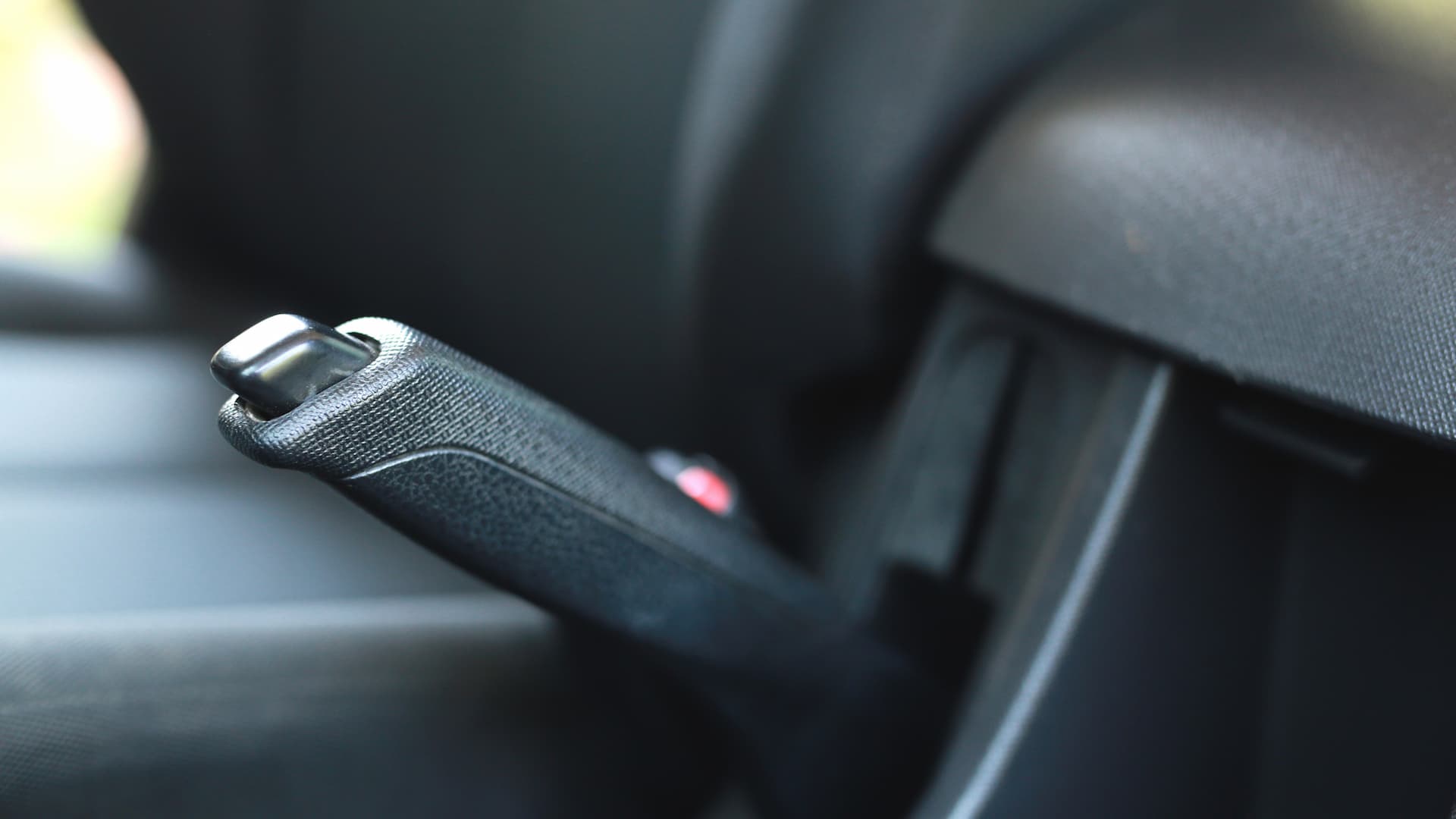
When your parking brake will not release, your vehicle may be difficult to move, and driving with the brake engaged can cause excessive heat and damage to the braking system. Our parking brake inspection helps identify the underlying problem, including a seized brake cable, stuck brake shoes or pads, a faulty release lever or button, or a malfunction in the electronic parking brake system. We assess the affected components to determine the appropriate repair and help avoid unnecessary parts replacement. Prompt diagnosis helps restore normal brake operation, protect your vehicle’s braking components, and improve driving safety. Avoid driving while the parking brake remains engaged, and arrange an inspection to identify the fault and get the right repair.

Parking brake won’t hold car Inspection

A parking brake that will not hold your vehicle securely can allow it to roll when parked, creating a safety risk for you and others nearby. Our parking brake inspection helps identify the cause, whether it involves worn brake shoes or pads, a loose cable, incorrect brake adjustment, or a faulty electronic parking brake mechanism. Finding the fault helps restore reliable parking security, prevent unexpected vehicle movement, and reduce the risk of further damage to braking components. Arrange an inspection promptly, and park on level ground in a secure location until the brake has been repaired.

Parking brake won’t engage Inspection

A parking brake that will not engage can leave your vehicle unsecured and increase the risk of it rolling when parked, especially on a slope. Our parking brake inspection helps identify the cause, whether it involves a broken or loose brake cable, worn brake shoes or pads, a faulty adjustment mechanism, or a malfunctioning electronic parking brake system. Finding the fault helps determine the correct repair, restore reliable parking security, and prevent unexpected vehicle movement. Arrange an inspection promptly and avoid relying on the faulty parking brake until the problem has been repaired.

Parking brake light stays on Inspection

A parking brake warning light that stays on after you release the brake may indicate a faulty parking brake switch, a brake system sensor problem, low brake fluid, or an issue with the electronic parking brake. Our inspection helps identify the cause and determine the necessary repair, so you can address potential braking problems before they become more serious. Early diagnosis helps restore accurate warning light operation, maintain reliable braking performance, and give you greater confidence behind the wheel. Arrange an inspection promptly, and avoid driving if the brake warning remains on with other warning lights or the brakes feel abnormal.

Parking brake is stuck Inspection

A stuck parking brake can prevent your vehicle from moving freely or make it difficult to secure your car when parked. Our parking brake inspection helps identify the cause, whether it involves a seized brake cable, corroded components, stuck brake shoes or pads, or a faulty electronic parking brake mechanism. Finding the problem helps determine the correct repair, prevent further damage to the braking system, and restore reliable parking brake operation. Arrange an inspection promptly and avoid forcing the brake or driving the vehicle if the brakes remain engaged, as this can cause additional damage and create a safety risk.

Parking / Emergency Brake does not work Inspection

A parking or emergency brake that does not work properly can allow your vehicle to roll when parked, creating a serious safety risk, especially on slopes. Our parking brake inspection helps identify the cause, whether it involves a loose or broken brake cable, worn brake shoes or pads, a faulty adjustment mechanism, or a problem with the electronic parking brake system. Finding the fault helps restore reliable parking security, prevent unexpected vehicle movement, and determine the correct repair. Arrange an inspection promptly and avoid relying on the faulty parking brake until it has been repaired.

One tire is wearing faster than the others Inspection

Uneven tyre wear can shorten the life of your tyres, affect vehicle handling, and increase replacement costs. Our inspection identifies why one tyre is wearing faster than the others, checking for incorrect wheel alignment, improper tyre pressure, worn suspension components, or wheel balancing issues. Finding the cause helps you correct the problem, extend tyre life, improve road grip, and maintain more stable handling. Book an inspection to protect your tyres, avoid premature replacement, and keep your vehicle driving smoothly and reliably.

Oil/Fluid Leak Inspection

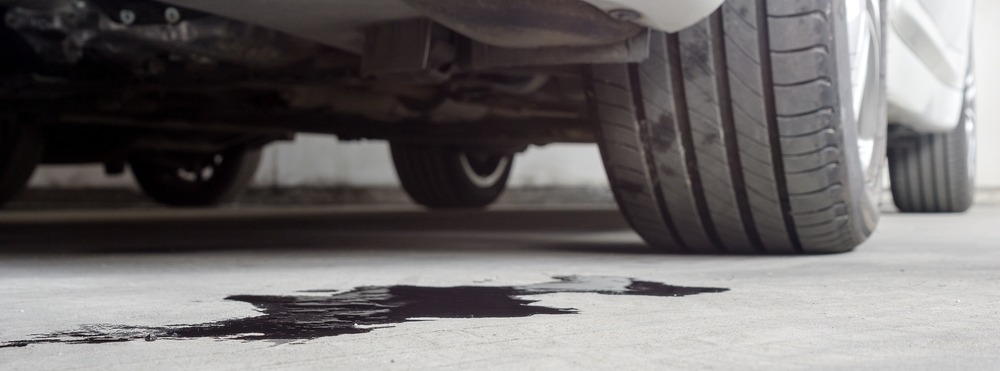
Oil or fluid leaks can lead to low fluid levels, reduced vehicle performance, and expensive component damage if left unresolved. Our oil and fluid leak inspection helps locate the source of the leak, whether it involves engine oil, transmission fluid, coolant, brake fluid, or power steering fluid. Identifying the problem early helps you get the correct repair, protect essential vehicle systems, avoid unnecessary parts replacement, and reduce the risk of unexpected breakdowns. Book an inspection to address the leak and keep your vehicle running safely and reliably.

Oil level is low Inspection

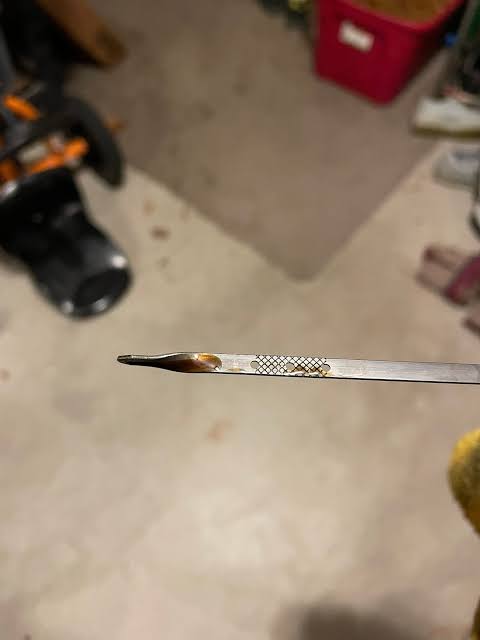
A low engine oil level can reduce lubrication, increase friction between moving parts, and lead to serious engine damage if left unaddressed. Our low oil level inspection helps identify why your vehicle is losing oil, whether through leaks, oil consumption, worn seals, or other engine-related problems. Finding the cause helps you address the issue correctly, maintain proper engine lubrication, reduce the risk of costly repairs, and protect your engine’s long-term performance. Arrange an inspection to determine the necessary repairs and keep your engine operating reliably. If the oil pressure warning light is on, switch off the engine and seek professional assistance before driving further.

Search for products

Back to Top
Product has been added to your cart