Call us 24/7+254 700 031 732

Temperature gauge is maxed out Inspection

A temperature gauge that reaches the maximum level can indicate severe engine overheating or a fault in the vehicle’s cooling system, putting the engine at risk of serious damage. Our temperature gauge inspection helps identify the cause, which may include low coolant levels, a leaking radiator, a faulty thermostat, a malfunctioning cooling fan, a damaged water pump, or a defective temperature sensor. We assess the cooling system and related components to determine the correct repair and help prevent unnecessary parts replacement. Prompt diagnosis can protect the engine, restore proper temperature regulation, and reduce the risk of costly mechanical damage. Book an inspection to identify why your temperature gauge is reaching its maximum level and get the right repair for your vehicle. If the gauge reaches the maximum, stop in a safe place, switch off the engine, and allow it to cool. Never open the radiator cap while the engine is hot; arrange professional assistance before driving again.

Temperature warning light is on Inspection

When the temperature warning light appears on your dashboard, your engine may be overheating or experiencing a cooling system problem that requires immediate attention. Our temperature warning light inspection helps identify the cause, which may include low coolant levels, a coolant leak, a faulty thermostat, a malfunctioning radiator fan, a damaged water pump, or a radiator blockage. We assess the cooling system and related components to determine the appropriate repair and help prevent serious engine damage. Prompt diagnosis helps restore proper engine temperature regulation, maintain reliable performance, and reduce the risk of expensive repairs. Book an inspection to identify the cause of the warning light and get the right repair for your vehicle. If the temperature warning light indicates overheating, stop in a safe place, switch off the engine, and allow it to cool. Never open the radiator cap while the engine is hot; arrange professional assistance before continuing your journey.

Steering wheel is hard to turn Inspection

A steering wheel that is hard to turn can make manoeuvring, parking, and navigating corners difficult, reducing your vehicle’s handling and safety. Our steering system inspection helps identify the cause, which may include low or leaking power steering fluid, a failing power steering pump, a damaged steering rack, a worn drive belt, or a fault in the electric power steering system. We examine the relevant steering components and connections to determine the correct repair and help prevent unnecessary parts replacement. Prompt diagnosis helps restore smoother steering, improve vehicle control, and reduce the risk of further damage to essential components. Book an inspection to find out why your steering wheel is difficult to turn and get the right repair for your vehicle. If steering becomes suddenly very difficult or control is affected, stop in a safe place and arrange professional assistance.

Steering wheel feels loose Inspection

A steering wheel that feels loose, has excessive play, or responds slowly can make your vehicle harder to control and affect driving stability. Our steering wheel inspection helps identify the cause, which may include worn tie rod ends, loose steering linkages, damaged steering rack components, worn suspension joints, or problems with the steering column. We examine the steering and suspension systems to locate the fault and recommend the appropriate repair without unnecessary parts replacement. Prompt diagnosis helps restore accurate steering response, improve vehicle control, and prevent further wear or damage to essential components. Book an inspection to identify why your steering wheel feels loose and get the right repair for your vehicle. If the steering has excessive play or feels unstable, avoid driving until the vehicle has been professionally inspected.

Steering wheel does not turn car Inspection

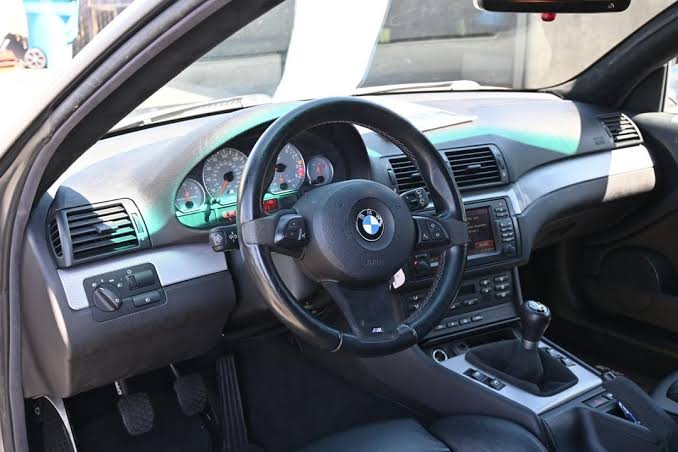
Under normal conditions, turning your steering wheel while the car is running turns the wheels themselves. The steering wheel is the only means of directing your car while on the road. If your steering wheel doesn’t turn the car, then there’s something wrong with the system and it’s imperative to determine the cause. Your car’s steering system is complex, but relatively easy to understand. The steering wheel connects to a steering shaft that runs into the dash and toward the power steering rack. Along the way, it connects with another shaft with a universal joint, called the intermediate shaft. This is what actually transmits the motion from the steering wheel to the wheels. The intermediate shaft has another universal joint on the other end, which connects to the gearbox. Turning the steering wheel left or right transmits motion down both drive shafts to the gearbox. The power steering rack augments this motion, allowing you to turn the wheel with minimal effort. This system is operated by a pump mounted on the engine (the pump is driven by your serpentine belt or drive belt).


One of our professional mechanics will come to your home or office to inspect your car’s steering wheel, power steering system and other important components. The mechanic will then provide a detailed inspection report that includes the scope and cost of the necessary repairs. The mechanic will first determine whether your steering wheel is locked, or whether there is a problem affecting the power steering system, which makes the steering wheel very hard to turn. The mechanic will also check your power steering fluid level, the condition of the belts and more.


If your steering wheel will not turn the car or is very hard to turn, it’s a symptom of a deeper problem. Regular inspection of engine belts, pulleys and other components can help. However, without an operational steering wheel, your car is unsafe to drive. One of our expert mechanics can inspect and repair the problem, allowing you to get back on the road safely.

Steering wheel does not respond properly Inspection

A steering wheel that does not respond properly can make your vehicle difficult to control and create a serious safety risk. Our steering system inspection helps identify the cause, which may include worn steering components, damaged tie rods, suspension faults, low power steering fluid, a failing power steering pump, or problems with the electric power steering system. We examine the relevant steering and suspension components to determine the fault and recommend the appropriate repair. Prompt diagnosis helps restore predictable steering response, improve vehicle handling, and prevent further damage to essential components. Book an inspection to identify the problem and get the right repair for your vehicle. Avoid driving when steering is unreliable or difficult to control; arrange professional assistance instead.

Speedometer is not working Inspection

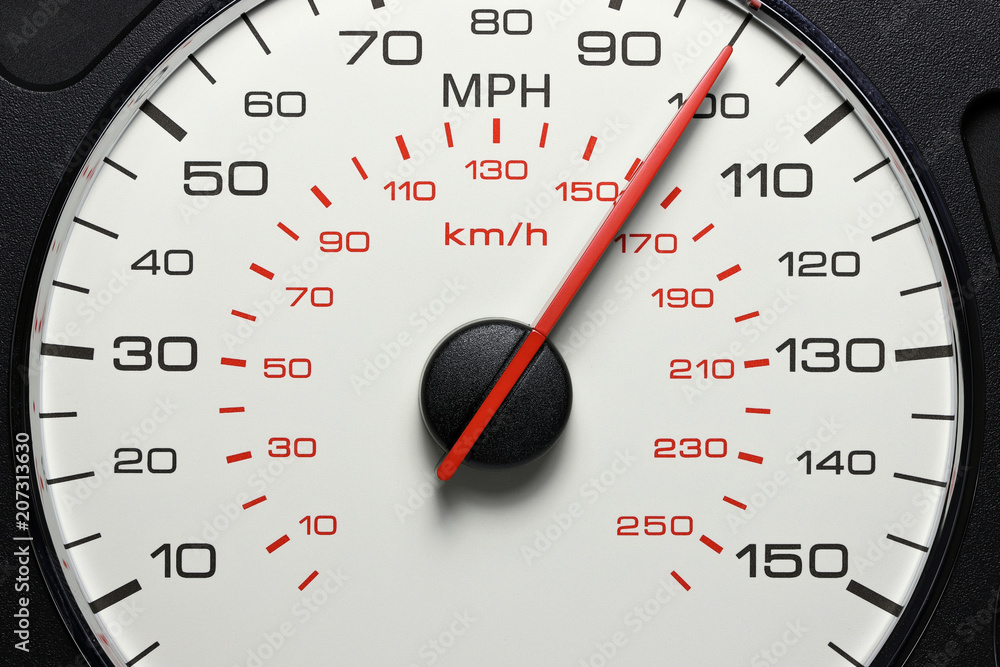
A faulty speedometer can leave you without reliable information about your vehicle’s speed, making it harder to maintain safe driving speeds and comply with speed limits. Our speedometer inspection identifies possible causes, including a malfunctioning vehicle speed sensor, damaged wiring, a blown fuse, a faulty instrument cluster, or an issue with the vehicle’s electronic control system. We assess the speedometer and its related components to pinpoint the fault and recommend the appropriate repair without unnecessary parts replacement. Resolving the problem helps restore accurate speed readings, improve driving confidence, and identify related electrical issues before they develop further. Book an inspection to determine why your speedometer is not working and get the right repair for your vehicle. Avoid driving until reliable speed information is available and you can safely monitor your speed.

Smoke from engine or exhaust Inspection

Smoke coming from your engine or exhaust can indicate a problem that affects your vehicle’s performance, reliability, or safety. Our engine or exhaust smoke inspection helps identify the cause by assessing possible issues such as oil leaks onto hot components, coolant entering the engine, fuel system faults, overheating, or problems with engine seals and the exhaust system. We examine the affected areas and use appropriate diagnostic checks to determine the correct repair and help prevent unnecessary parts replacement. Early diagnosis can reduce the risk of further engine damage, restore reliable operation, and help control repair costs. Book an inspection to identify the source of the smoke and get the right repair for your vehicle. If smoke is heavy, the engine is overheating, or you notice a burning smell, stop in a safe place, switch off the engine, and arrange professional assistance.

Smell of oil in car Inspection

An oil smell inside your car can indicate an engine oil leak, oil dripping onto hot engine or exhaust components, an overfilled engine, or a problem with seals and gaskets. Our oil smell inspection helps identify the source of the odour by checking for oil leaks around the engine, valve cover gasket, oil filter, oil filler cap, and other relevant components. We assess the affected areas to determine the appropriate repair and help prevent continued oil loss, component damage, and costly repairs. Prompt diagnosis also helps maintain engine performance and keeps unpleasant odours from entering the cabin. Book an inspection to locate the source of the oil smell and get the right repair for your vehicle. If the smell is strong, you notice smoke, or the engine oil pressure warning light comes on, stop driving when safe and arrange professional assistance.

Smell in the car Inspection

An unusual smell inside your car can indicate a problem with the air conditioning system, engine, exhaust, fuel system, electrical components, or interior ventilation. Our car smell inspection helps identify the source of unpleasant or unusual odours, including musty smells from the air conditioning, burning smells from overheating components, fuel odours from possible leaks, or exhaust fumes entering the cabin. We examine the relevant systems to determine the cause and recommend the appropriate repair, helping prevent further damage and improve cabin comfort. Prompt diagnosis can also identify potential safety concerns before they become more serious. Book an inspection to find the source of the smell and get the right repair for your vehicle. If you smell fuel or exhaust fumes inside the car, or notice a strong burning smell, stop driving when safe, leave the vehicle, and arrange professional assistance.

Search for products

Back to Top
Product has been added to your cart