Call us 24/7+254 700 031 732

Oil is leaking into spark plug well Inspection

Oil leaking into your vehicle’s spark plug wells may indicate worn valve cover gaskets, damaged spark plug tube seals, or other sealing problems around the engine. Our inspection helps identify the source of the leak and determine the appropriate repair before oil contamination affects spark plugs, ignition coils, or engine performance. Early diagnosis can help prevent engine misfires, reduce oil-related maintenance costs, and restore reliable ignition system operation. Arrange an inspection to identify the fault, protect essential engine components, and keep your vehicle running smoothly.
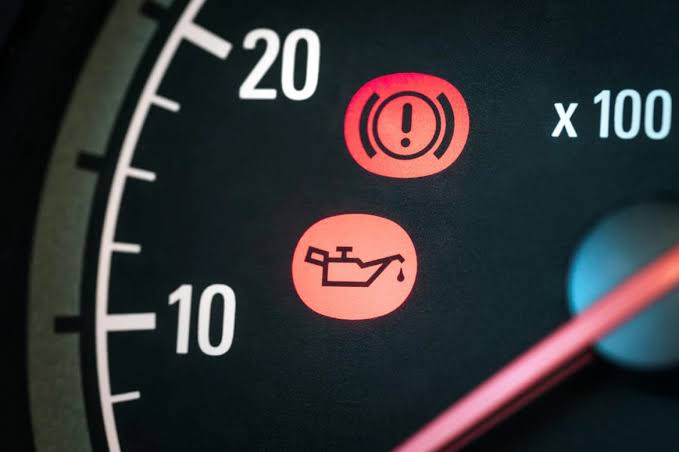
Oil Pressure Light is on Inspection

An illuminated oil pressure warning light may indicate low engine oil pressure, insufficient oil levels, a faulty oil pump, a blocked oil filter, or a problem with the oil pressure sensor. Our oil pressure inspection helps identify the cause and determine the necessary repair before inadequate lubrication leads to serious engine damage. Prompt diagnosis can help protect vital engine components, prevent expensive repairs, and maintain reliable engine performance. If the oil pressure warning light comes on while driving, stop safely, switch off the engine, and arrange professional assistance rather than continuing to drive.

Not able to change gears Inspection

Difficulty changing gears can make driving frustrating and may indicate a problem with the clutch, gear linkage, transmission fluid, or internal gearbox components. Our gear-shifting inspection helps identify the cause and determine the correct repair, whether your vehicle has a manual or automatic transmission. Early diagnosis can help prevent further transmission damage, reduce the risk of costly repairs, and restore smoother, more reliable gear changes. Arrange an inspection to identify the fault and get your vehicle shifting properly again. If the gears cannot engage safely, avoid driving and arrange professional assistance.

Noise from engine or exhaust Inspection

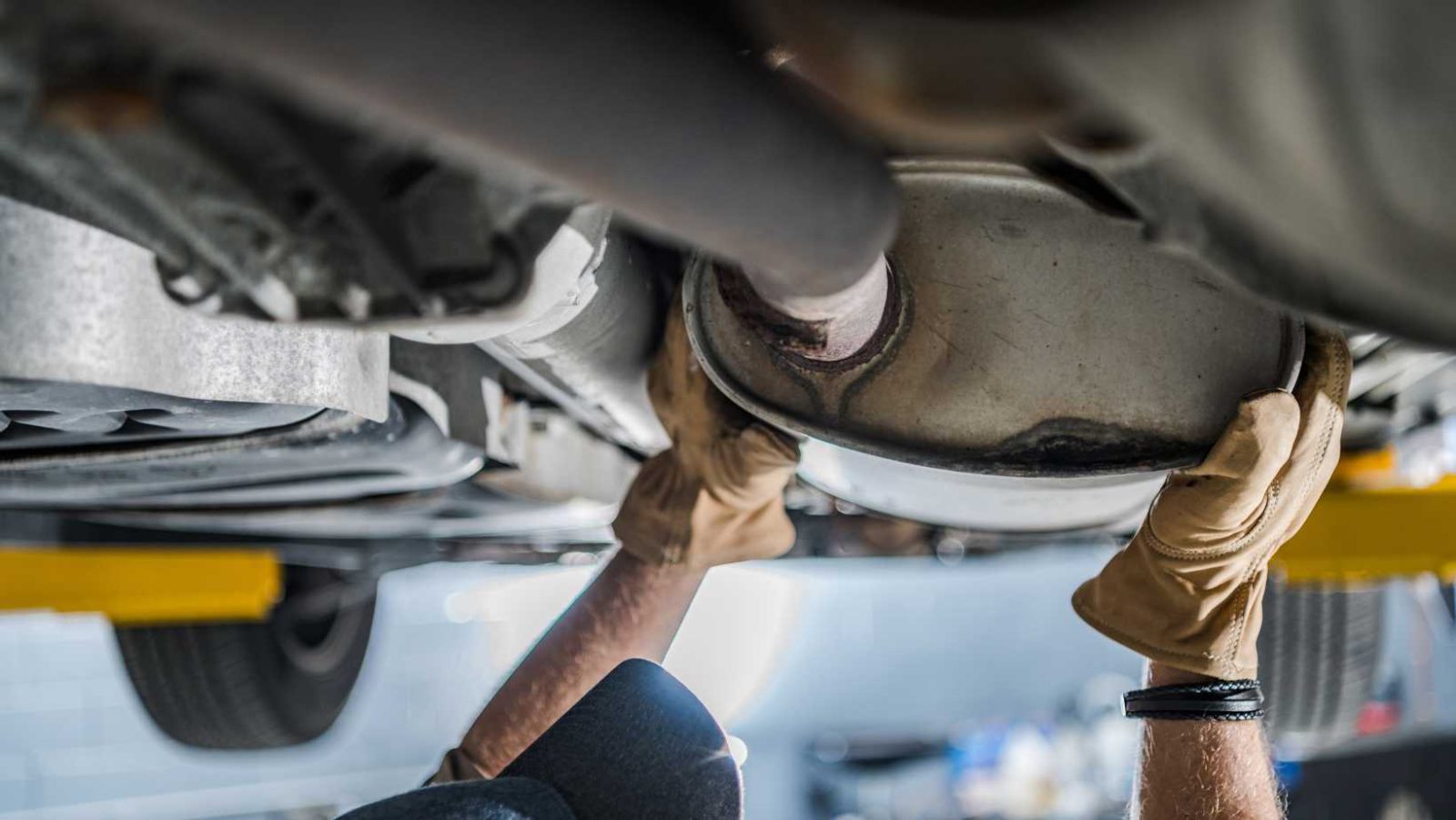
Unusual noises from your engine or exhaust system may indicate a worn engine component, loose exhaust connection, damaged muffler, exhaust leak, or another mechanical problem. Our engine and exhaust inspection helps identify the source of the noise and determine the appropriate repair. Early diagnosis can help prevent further damage, reduce unnecessary repair costs, improve engine performance, and restore quieter vehicle operation. Book an inspection to identify the fault and keep your vehicle running reliably. If the noise is sudden or severe, or you notice exhaust fumes inside the cabin, stop driving and arrange professional assistance.

Loud squealing or squeaking is coming from timing belt Inspection

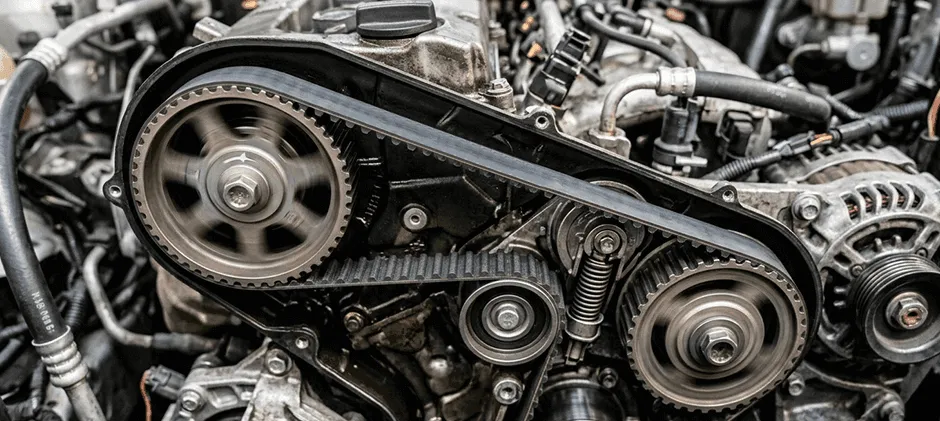
A loud squealing or squeaking noise from the timing belt area may indicate a worn belt, incorrect belt tension, misaligned pulleys, or a failing tensioner or idler pulley. Our timing belt inspection helps identify the source of the noise and determine whether the belt or related components require adjustment or replacement. Early diagnosis can help prevent timing belt failure, which may cause severe engine damage in some vehicles, and reduce the risk of unexpected breakdowns and expensive repairs. Arrange an inspection promptly to protect your engine and maintain reliable vehicle performance.

Loud squealing or rattling is coming from engine Inspection

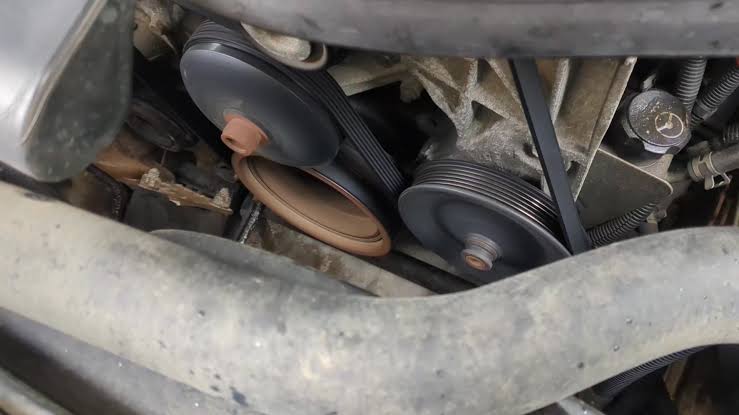
Loud squealing or rattling from your engine may indicate a worn drive belt, a failing pulley, loose engine components, low engine oil, or a problem with internal engine parts. Our engine noise inspection helps identify the source of the sound and determine the appropriate repair before the problem worsens. Early diagnosis can help prevent further engine damage, reduce unexpected repair costs, and maintain smooth, reliable performance. Arrange an inspection promptly, especially if the noise is sudden, severe, or accompanied by warning lights, to protect your engine and keep your vehicle operating reliably.

Loud screeching noise when I start the car Inspection

A loud screeching noise when starting your vehicle may indicate a worn or loose drive belt, a failing belt tensioner, a worn pulley, or a problem with the starter system. Our inspection helps identify the source of the noise and determine the appropriate repair before the problem worsens. Early diagnosis can help prevent unexpected breakdowns, reduce the risk of damage to related engine components, and restore quieter, more reliable starting. Book an inspection to identify the fault and keep your vehicle starting smoothly and reliably.

Loud noises when car is put in gear Inspection

Loud noises when your vehicle is put into gear may indicate worn transmission components, damaged engine or transmission mounts, low transmission fluid, or problems with the clutch or drivetrain. Our inspection helps identify the source of the noise and determine the appropriate repair before the problem causes further damage. Early diagnosis can help prevent costly transmission repairs, improve smoother gear engagement, and restore reliable vehicle operation. Arrange an inspection to identify the fault and keep your vehicle shifting gears smoothly and confidently.

Loud noise when using the clutch Inspection

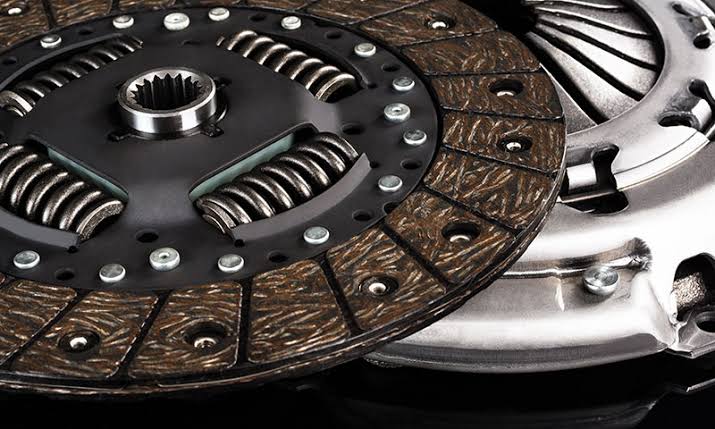
Unusual noises when pressing or releasing the clutch can indicate a worn release bearing, damaged clutch components, a faulty pilot bearing, or problems within the clutch mechanism. Our clutch noise inspection helps identify the source of the sound and determine the appropriate repair before the problem worsens. Early diagnosis can help prevent further transmission damage, reduce unexpected repair costs, and restore smoother, quieter clutch operation. Book an inspection to identify the fault and maintain reliable gear changes and dependable vehicle performance.

Loud noise is coming from rear brakes Inspection

Loud noises coming from your vehicle’s rear brakes can indicate worn brake shoes or pads, damaged brake drums or discs, loose brake hardware, or debris trapped in the braking system. Our rear brake inspection helps identify the source of the noise and determine which components need repair or replacement. Addressing the problem early can restore quieter braking, improve stopping performance, prevent further damage to brake components, and help you avoid more costly repairs. Arrange an inspection promptly to keep your braking system operating reliably and support safer driving.

Search for products

Back to Top
Product has been added to your cart