Call us 24/7+254 700 031 732

Grinding sound from transmission Inspection

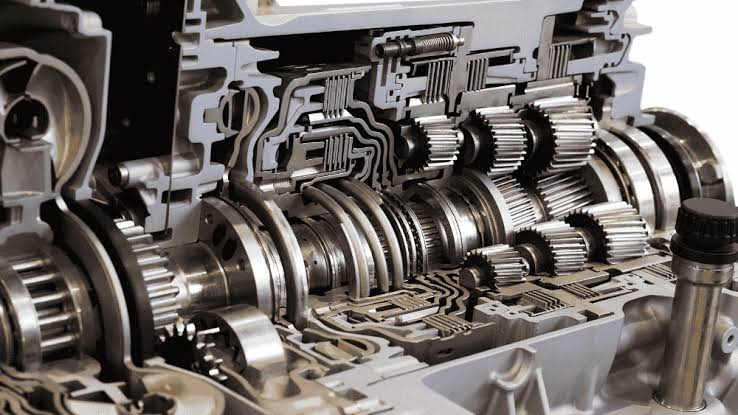
A grinding sound from your vehicle’s transmission may indicate worn gears, low or contaminated transmission fluid, damaged bearings, or other internal transmission problems. Our transmission grinding noise inspection helps identify the source of the sound and determine the repairs needed. Early diagnosis can help prevent further transmission damage, reduce the risk of expensive repairs, and restore smoother, quieter gear operation. Arrange an inspection to address the problem before it affects your vehicle’s performance and reliability.
Grinding noise while shifting Inspection

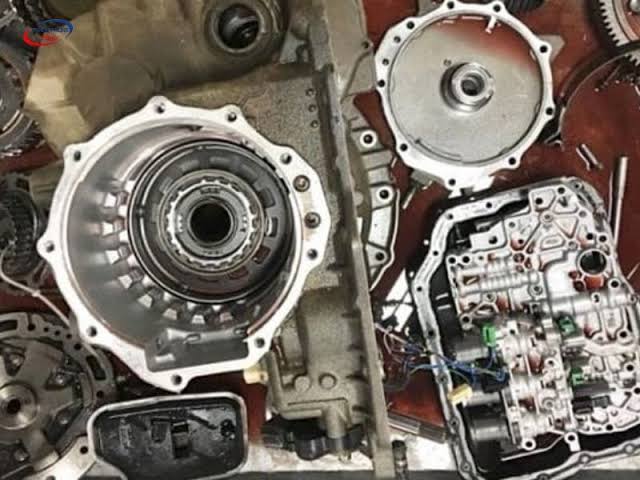
A grinding noise while shifting gears may indicate worn clutch components, damaged transmission gears, low transmission fluid, or problems with the synchronisers. Our grinding noise while shifting inspection helps identify the source of the noise and determine the appropriate repair. Early diagnosis can prevent further transmission damage, reduce the risk of costly repairs, and help restore smoother, quieter gear changes. Get your vehicle inspected to identify the fault and maintain reliable transmission performance.

Grinding noise when braking Inspection

A grinding noise when braking may indicate worn brake pads, damaged brake discs, or other problems affecting your vehicle’s braking system. Our grinding noise when braking inspection helps identify the source of the noise and determine which components need repair or replacement. Early diagnosis helps restore effective braking, prevent further damage to brake discs and related parts, and avoid more expensive repairs. Have your brakes inspected promptly to maintain reliable stopping performance and protect your safety on the road.

Gears slipping when accelerating Inspection

Gear slipping during acceleration can cause the engine to rev without a corresponding increase in speed, delayed gear changes, or a sudden loss of power. Our gear slipping inspection identifies the cause, whether it involves low or degraded transmission fluid, worn clutch components, damaged transmission parts, or a faulty transmission control system. Early diagnosis helps determine the correct repair, improve power delivery, prevent further transmission damage, and reduce the risk of costly repairs. Get your vehicle inspected to restore smoother gear changes and more reliable acceleration.

Gas pedal is stuck Inspection

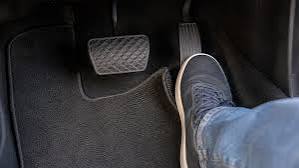
Vehicle’s gas pedal is sticking, failing to return smoothly, or becoming difficult to press, it can affect your ability to control acceleration and create a serious driving hazard. Our gas pedal inspection helps identify the cause, whether it involves a damaged accelerator mechanism, a sticking throttle body, a faulty throttle position sensor, or an issue with the pedal assembly. Finding the fault helps determine the correct repair and restore reliable accelerator response. For your safety, do not drive the vehicle if the accelerator pedal sticks; arrange professional inspection and repair before using it again.

Gas cap won’t come off Inspection

If your vehicle’s gas cap is stuck and will not come off, you may be unable to refuel or properly inspect the fuel filler area. Our gas cap inspection helps identify the cause, whether it involves damaged cap threads, a seized locking mechanism, a faulty release system, or a worn fuel cap. Finding the problem helps restore convenient access for refuelling, prevent damage to the fuel filler neck, and determine whether the cap needs repair or replacement. Get the issue inspected to avoid unnecessary damage and keep your vehicle’s fuel system properly secured.

Fuel is leaking from gas tank Inspection

If you notice fuel leaking from your vehicle’s gas tank or smell a strong petrol or diesel odor, our fuel tank inspection helps identify the source of the leak, whether it involves a damaged tank, loose fuel connections, deteriorated seals, or faulty fuel lines. Finding the cause helps determine the necessary repair and prevent further fuel loss, costly component damage, and potential fire hazards. For your safety, stop driving, switch off the engine, keep away from flames and sparks, and arrange professional assistance immediately if you suspect a fuel leak.

Fuel door won’t open Inspection

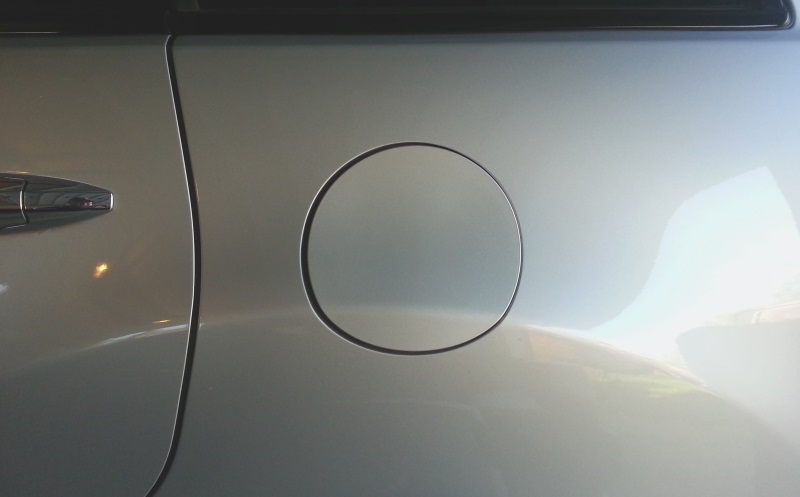
If your vehicle’s fuel door will not open, you may be unable to refuel when needed, causing delays and inconvenience. Our fuel door inspection helps identify the cause, whether it involves a faulty release cable, broken latch, damaged actuator, stuck locking mechanism, or electrical fault. Finding the problem helps restore reliable access to the fuel filler, prevent damage from forcing the door open, and ensure you can refuel your vehicle without unnecessary delays. Get the issue inspected to identify the correct repair and keep your vehicle ready for the road.

Search for products

Back to Top
Product has been added to your cart