Call us 24/7+254 700 031 732

Brakes must be pumped to work Inspection

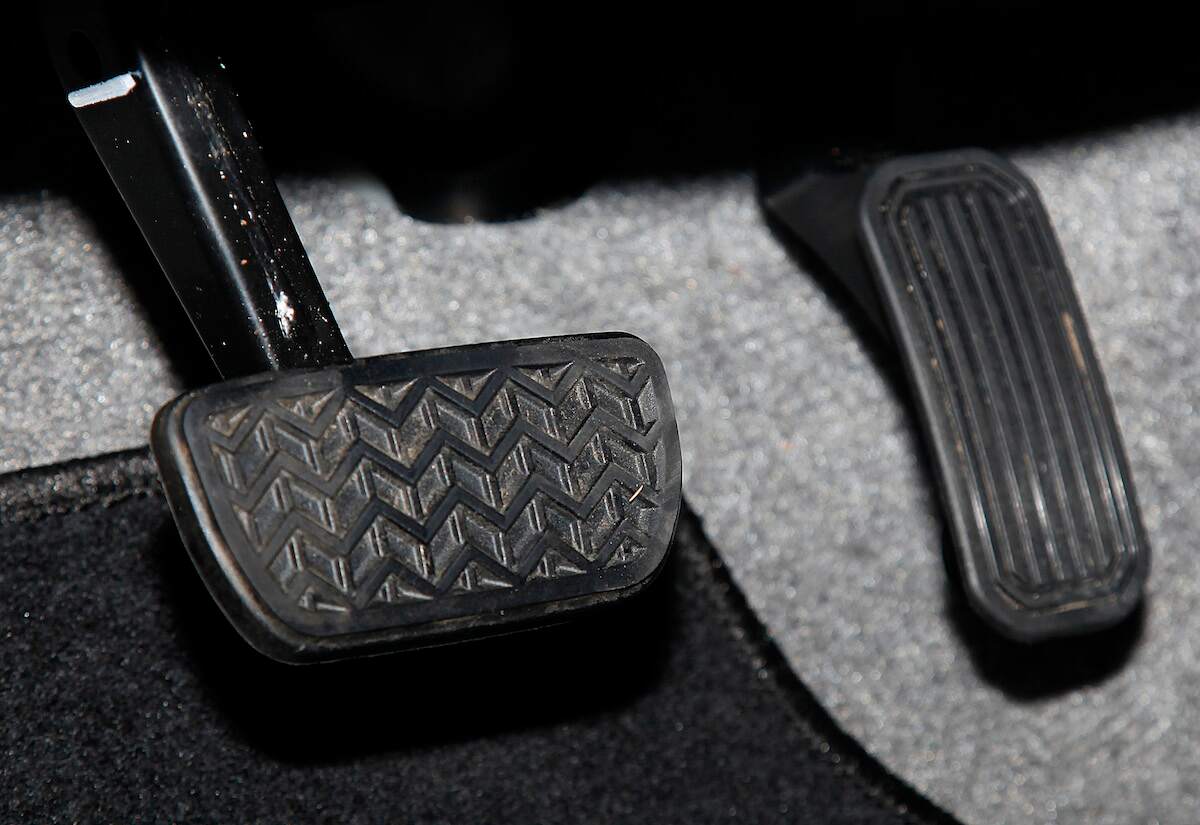
Brakes only work after pumping the pedal several times? A brake pumping inspection identifies master cylinder pressure leaks, air trapped in lines, and loose wheel bearings to restore instant stopping power. An inspection for brakes that must be pumped to work involves diagnosing severe hydraulic pressure loss, trapped air pockets, or mechanical component misalignment within the stopping system.
Brake safety Inspection

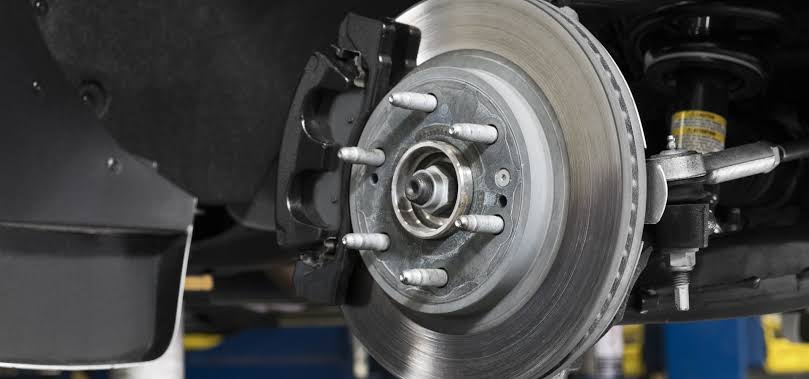
Ensure your vehicle stops safely in all conditions with a comprehensive brake safety inspection. We evaluate brake pad thickness, rotor condition, hydraulic lines, and fluid quality to prevent costly repairs and accidents.A brake safety inspection is a vital preventative diagnostic procedure designed to evaluate every critical component of a vehicle’s stopping system to ensure maximum road safety and performance.

Brake pedal is spongy Inspection

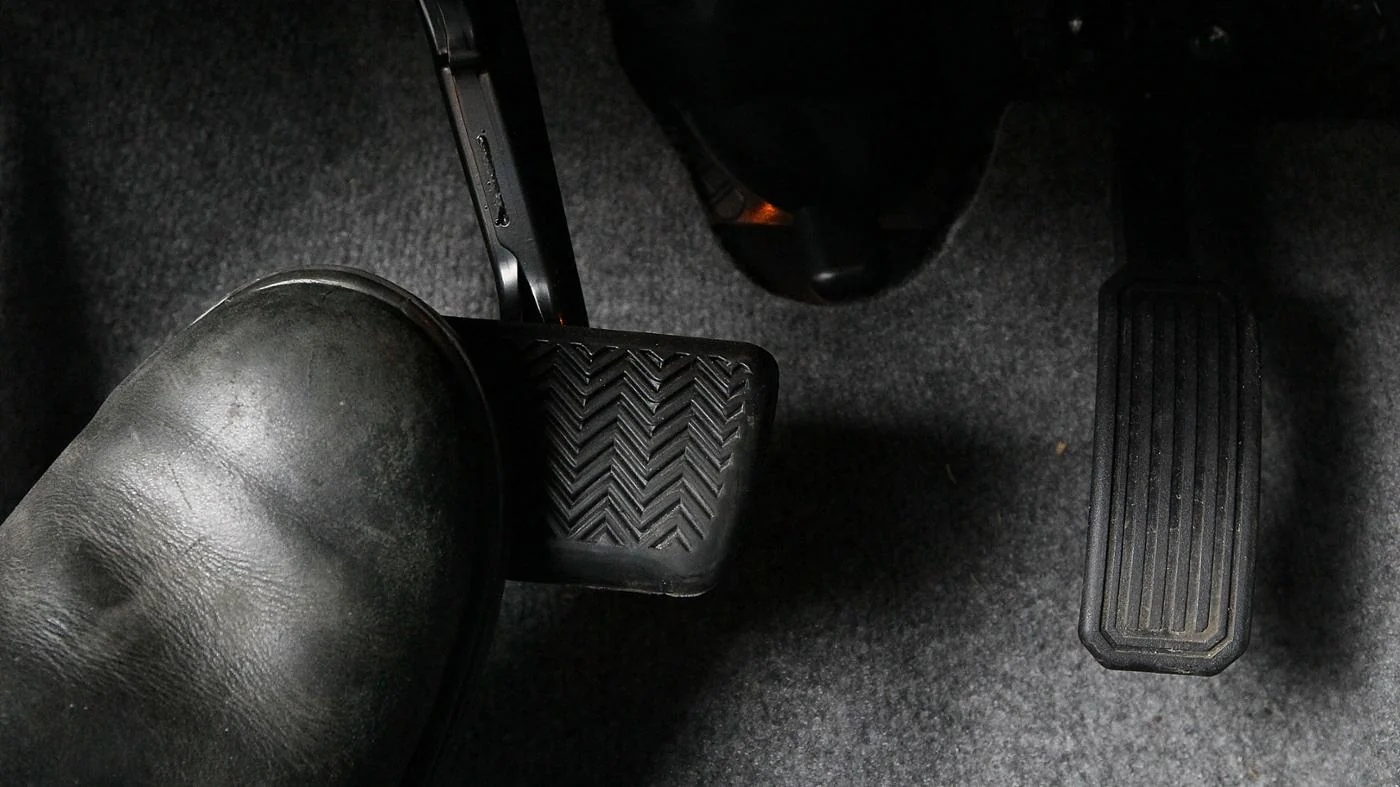
Soft, squishy brake pedal that feels like stepping on a sponge? A brake inspection pinpoints trapped air in hydraulic lines, degraded fluid, and failing master cylinders to restore firm, immediate stopping power.When the pedal feels soft or “mushy” underfoot, the primary culprit is often air bubbles trapped inside the brake lines or ABS modulator block. Unlike liquid, gases are highly compressible; when foot pressure is applied, energy is wasted compressing air pockets rather than pushing caliper pistons against the rotors.

Brake pedal is lower than usual Inspection

As friction linings wear down excessively, the caliper and wheel cylinder pistons must travel further outward to contact the friction surfaces, consuming extra hydraulic fluid volume from the reservoir and causing a low pedal feel. Alternatively, worn internal cup seals inside the master cylinder can allow brake fluid to bypass the primary piston under pressure, causing the pedal to slowly sink under steady foot pressure without external fluid loss.Brake pedal sinking lower than normal or requiring extra travel before slowing down? A brake pedal height inspection diagnoses low fluid, air in hydraulic lines, worn pads, and master cylinder bypass issues.

Brake light is not working Inspection

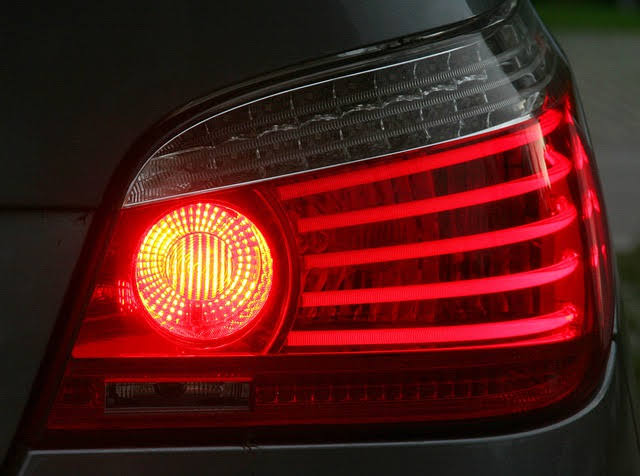
Brake lights failing to illuminate when pressing the pedal? A brake light inspection diagnoses burnt bulbs, blown fuses, faulty brake switches, and wiring short circuits to keep you safe and legal.During the inspection, a certified technician checks the physical condition of all brake light bulbs and socket housings for moisture ingress or melted contacts. Using a digital multimeter and circuit test light, the technician measures voltage delivery at the socket, tests fuse continuity, and verifies that the brake pedal switch opens and closes properly when compressed.

Search for products

Back to Top
Product has been added to your cart