Call us 24/7+254 700 031 732

Car is slow to accelerate Inspection

Vehicle lagging, sluggish when stepping on the gas, or struggling up hills? A slow acceleration inspection identifies clogged catalytic converters, dirty air filters, weak fuel delivery, and failing sensors.An inspection for a car that is slow to accelerate involves evaluating the engine’s air intake, fuel delivery, electronic throttle control, ignition timing, and exhaust backpressure to identify why the engine cannot generate rapid power under load.
Car is shaking or vibrating Inspection

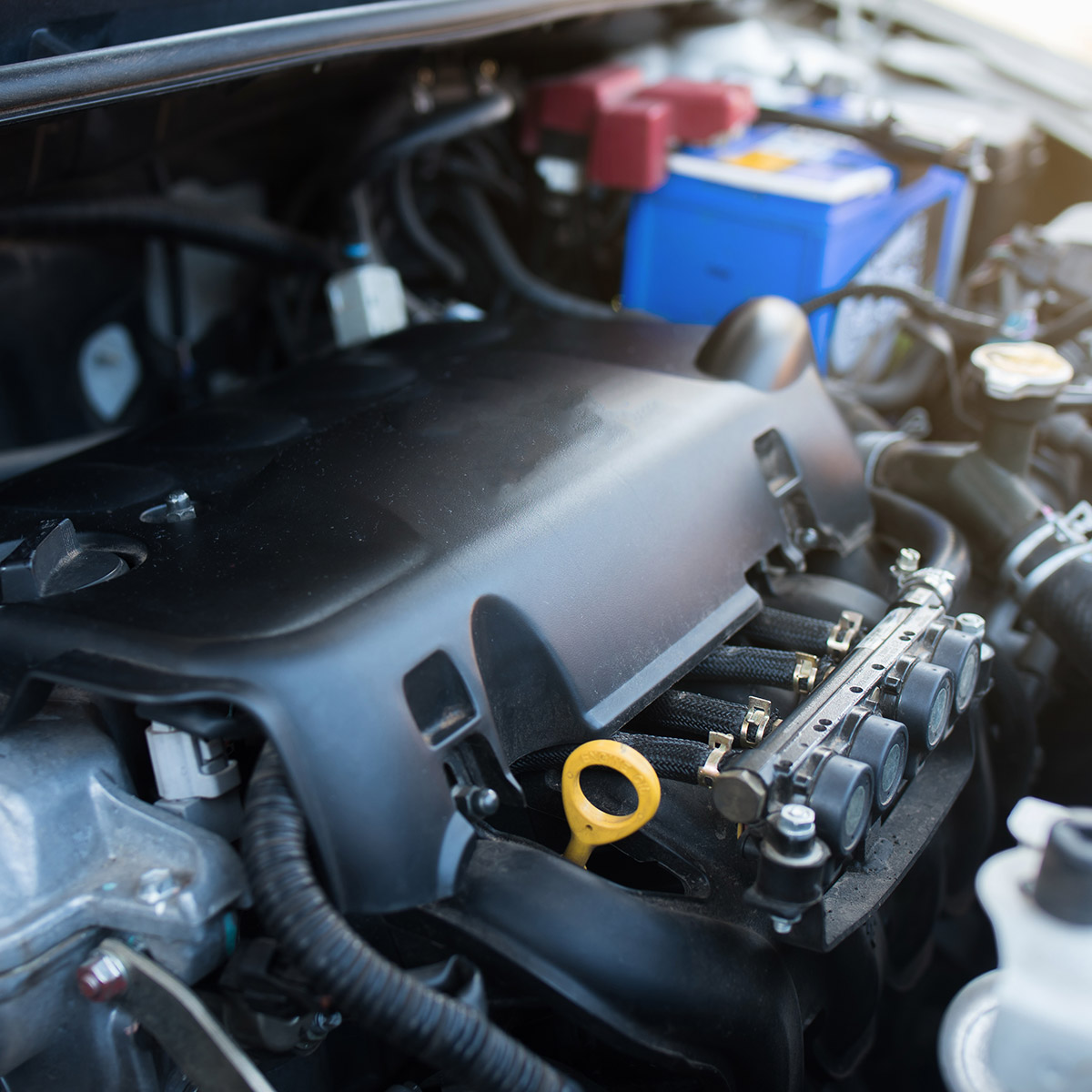
Vehicle shaking at highway speeds, vibration in the steering wheel, or shuddering during braking? A shaking inspection pinpoints wheel imbalance, warped brake rotors, worn CV joints, and bad engine mounts.An inspection for a car that is shaking or vibrating involves a systematic diagnostic evaluation of the vehicle’s rotating assemblies, driveline components, suspension linkages, and engine isolation mounts.

Car is running hotter than normal Inspection

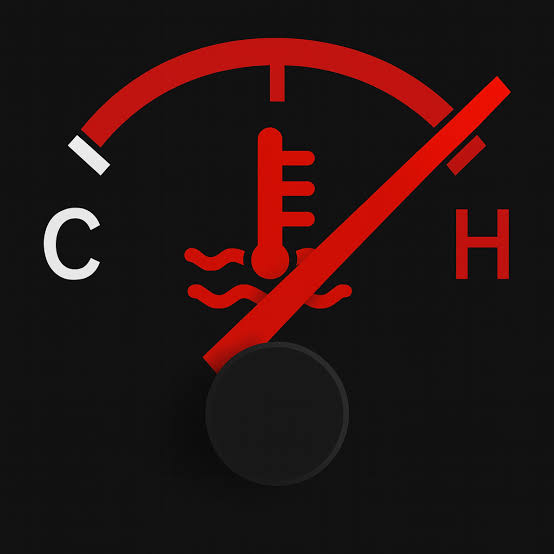
Temperature gauge sitting higher than usual or cooling fan running constantly? A running hotter than normal inspection catches thermostat restrictions, minor coolant leaks, and radiator clogs before full overheating occurs.An inspection for an engine that is running hotter than normal is an essential early-stage diagnostic procedure aimed at identifying minor cooling system inefficiencies before they escalate into severe overheating and engine damage.

Car is overheating Inspection

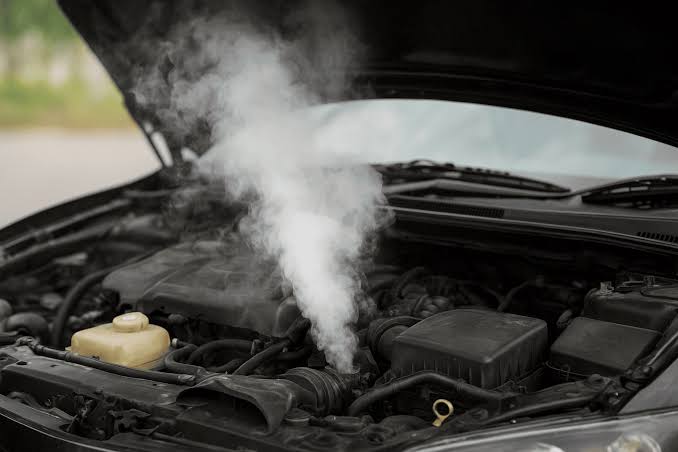
Temperature gauge spiking, steam under the hood, or coolant leaking? A car overheating inspection identifies stuck thermostats, radiator leaks, failing water pumps, and blown head gaskets before severe engine damage occurs.Internal combustion engines generate immense thermal energy that must be continuously absorbed by liquid coolant and dissipated through the radiator. When this balance is disrupted, engine temperatures can spike rapidly, risking warped cylinder heads, blown head gaskets, and cracked engine blocks.

Car is not starting Inspection

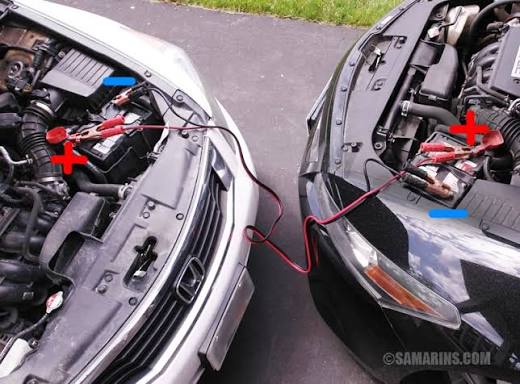
Engine won’t turn over, clicking when turning the key, or cranking endlessly without starting? A no-start inspection identifies dead batteries, failed starters, fuel pump drops, and ignition failures.An inspection for a car that will not start involves a systematic diagnostic approach to identify whether the breakdown is caused by an electrical failure in the cranking circuit, a breakdown in fuel delivery, a loss of ignition spark, or an electronic immobilizer lockout.

Car is not shifting into park Inspection

Shifter lever won’t go into Park, key stuck in ignition, or car rolling when parked? A shift-to-park inspection diagnoses broken shift cables, brake interlock solenoids, and linkage bushings.Modern automatic transmission shift systems rely on a combination of mechanical cables or electronic fly-by-wire controls alongside safety interlock solenoids to ensure the vehicle cannot enter or exit Park accidentally. When the shifter refuses to physically move into the Park position, the issue frequently stems from a stretched or bound shifter cable, a broken plastic shift linkage bushing at the transmission range lever, or an obstruction within the center console floor shifter mechanism.

Car is making a noise Inspection

Squealing, grinding, clunking, or humming noises while driving? A comprehensive noise inspection pinpoints worn bearings, loose suspension parts, belt slippage, and exhaust leaks before major damage occurs.Because sound travels easily through metallic vehicle frames and body panels, pinpointing the true origin requires specialized diagnostic tools and methodical isolation techniques.

Car is hesitating and bucking Inspection

Engine stuttering, jerking, or hesitating under acceleration? A hesitating and bucking inspection identifies clogged fuel injectors, vacuum leaks, failing ignition coils, and bad mass airflow sensors.If there is a sudden interruption in spark delivery—such as a failing ignition coil breaking down under load or a worn spark plug blowing out its arc—the engine suffers an immediate combustion failure on one or more cylinders, causing a harsh, violent bucking motion. Similarly, lean fuel conditions caused by a weak fuel pump,

Search for products

Back to Top
Product has been added to your cart