Call us 24/7+254 700 031 732

Car is hard to start Inspection

Engine cranking slowly, taking multiple key turns, or stumbling before starting? A hard-to-start inspection diagnoses weak batteries, failing starters, fuel delivery pressure drops, and faulty crank sensorsWhen cranking speed is slow, a weak battery, corroded cable terminals, or high internal resistance in the starter motor deprives the engine of the rotational force needed to build cylinder compression.


Car is hard to shift Inspection

Stiff gear lever, grinding noises during gear changes, or difficulty selecting gears? A hard-to-shift inspection pinpoints clutch linkage drag, low transmission fluid, worn synchronizers, and shifter cable wear.In manual vehicles, hard shifting is frequently caused by a dragging clutch that fails to fully disengage from the flywheel when the pedal is pressed; this is often due to low clutch hydraulic fluid, air in the slave cylinder line, or a worn pressure plate diaphragm spring. In both manual and automatic systems, degraded or low transmission fluid increases internal friction, prevents gear synchronizers from matching shaft speeds smoothly, and leads to harsh or binding gear selection.

Car idle is rough Inspection

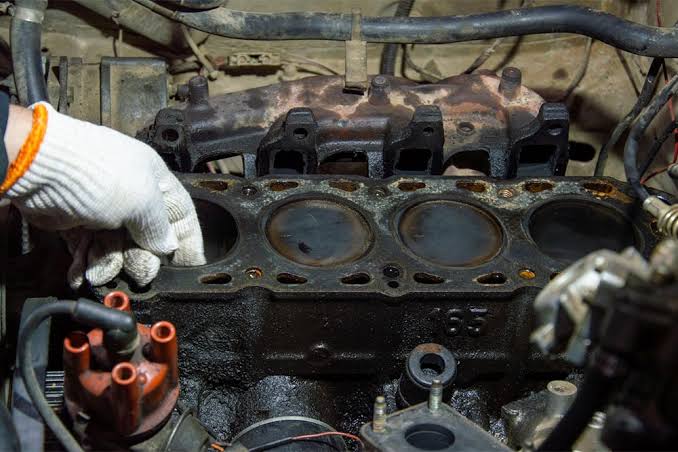
Engine shaking, sputtering, or hunting for RPM while stopped at red lights? A rough idle inspection pinpoints vacuum leaks, misfires, dirty throttle bodies, and faulty sensors to restore smooth engine idle.An inspection for a rough idle involves diagnosing air, fuel, ignition, and mechanical balance issues that prevent the internal combustion engine from operating smoothly at low RPMs. When a vehicle is idling,

Car has bouncy and unstable ride Inspection

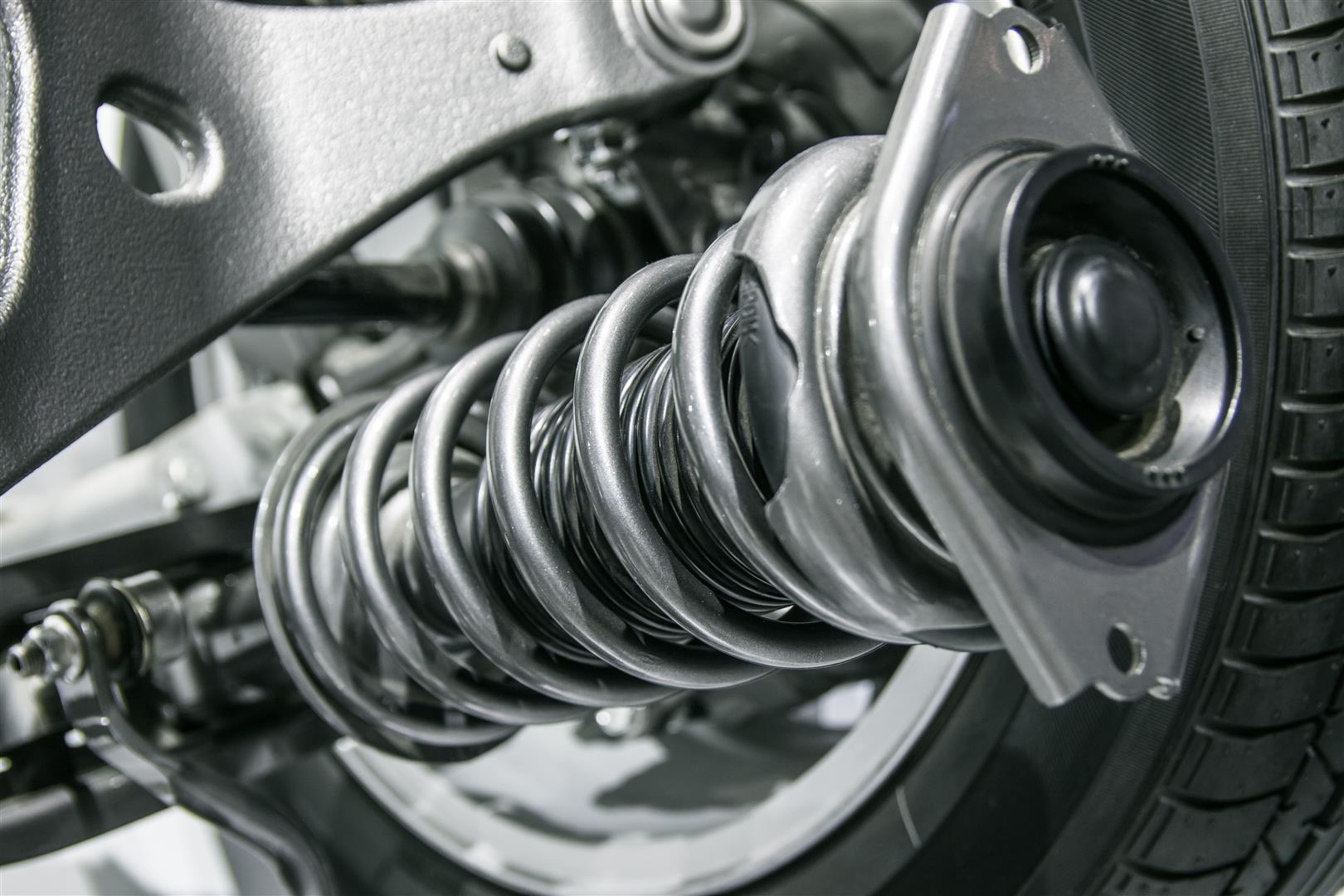
Car bouncing excessively over bumps, swaying in turns, or feeling unstable at highway speeds? A suspension inspection checks worn shock absorbers, broken springs, and damaged struts to restore smooth handling.An inspection for a bouncy and unstable ride involves a thorough evaluation of the vehicle’s suspension dampening, springs, and chassis stabilizing components. While coil or leaf springs support the weight of the vehicle and absorb heavy road impacts,

Car door is sagging Inspection

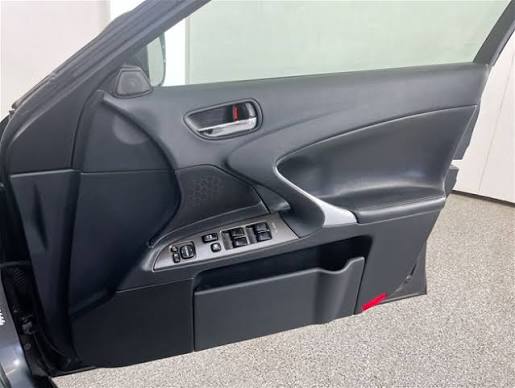
A sagging car door occurs when wear, stress, or loose hardware prevents the door from aligning properly with the latch striker, causing hard closing, wind noise, or water leaks. The primary causes include worn hinge pins and bushings from frequent use, loose hinge mounting bolts, bent hinge plates, or structural pillar distortion. Performing an inspection involves gripping the bottom of an open door and lifting vertically to check for play in the hinge bushings, examining the hinge mounting bolts for movement marks, observing whether the latch aligns cleanly with the pillar striker pin upon closing, and inspecting top weatherstripping for gaps or compression loss.

Car does not shift from park to drive Inspection

When a vehicle fails to shift from Park to Drive, the issue typically stems from a breakdown in the shift interlock system—a safety mechanism designed to prevent engagement unless the brake pedal is pressed. The most common culprit is a faulty brake light switch or a blown circuit fuse, which stops the interlock solenoid from receiving the signal to unlock the gear lever. Other potential causes include a failed shift lock actuator, a stretched or broken transmission shift cable, or mechanical binding against the park pawl when parked on steep inclines. A thorough inspection involves verifying brake light activation upon pedal depression, testing battery voltage, testing the manual shift lock override, and inspecting the linkage cable at both the console shifter and transmission range lever for loose or worn bushings.

Search for products

Back to Top
Product has been added to your cart