Call us 24/7+254 700 031 732

Brake System Flush

Spongy or soft brake pedal, dirty dark fluid in the reservoir, or diminished stopping power? A full brake system flush purges moisture, air pockets, and harmful sludge to safeguard your ABS components and maintain firm pedal control.

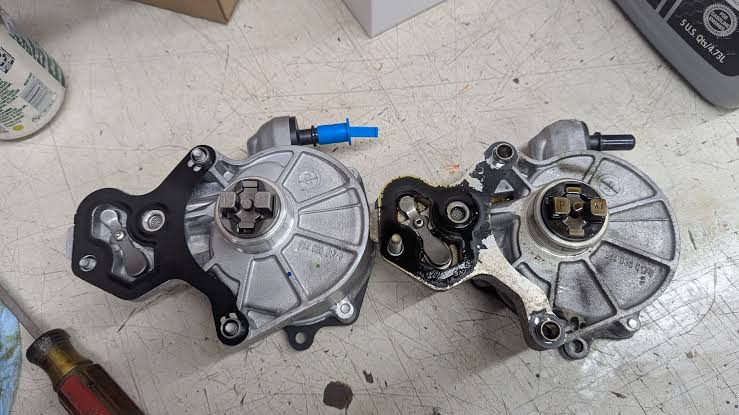
Brake Vacuum Pump Replacement

Hard, stiff brake pedal that requires extra foot pressure to stop, oil leaking behind the engine cylinder head, or hiss from the dash? A brake vacuum pump replacement restores vacuum assist for soft, effortless, and safe stopping power.Replacing a brake vacuum pump involves swapping out the mechanical or electrically driven pump that supplies vacuum suction to the power brake booster on diesel, turbocharged, and direct-injection gasoline engines.

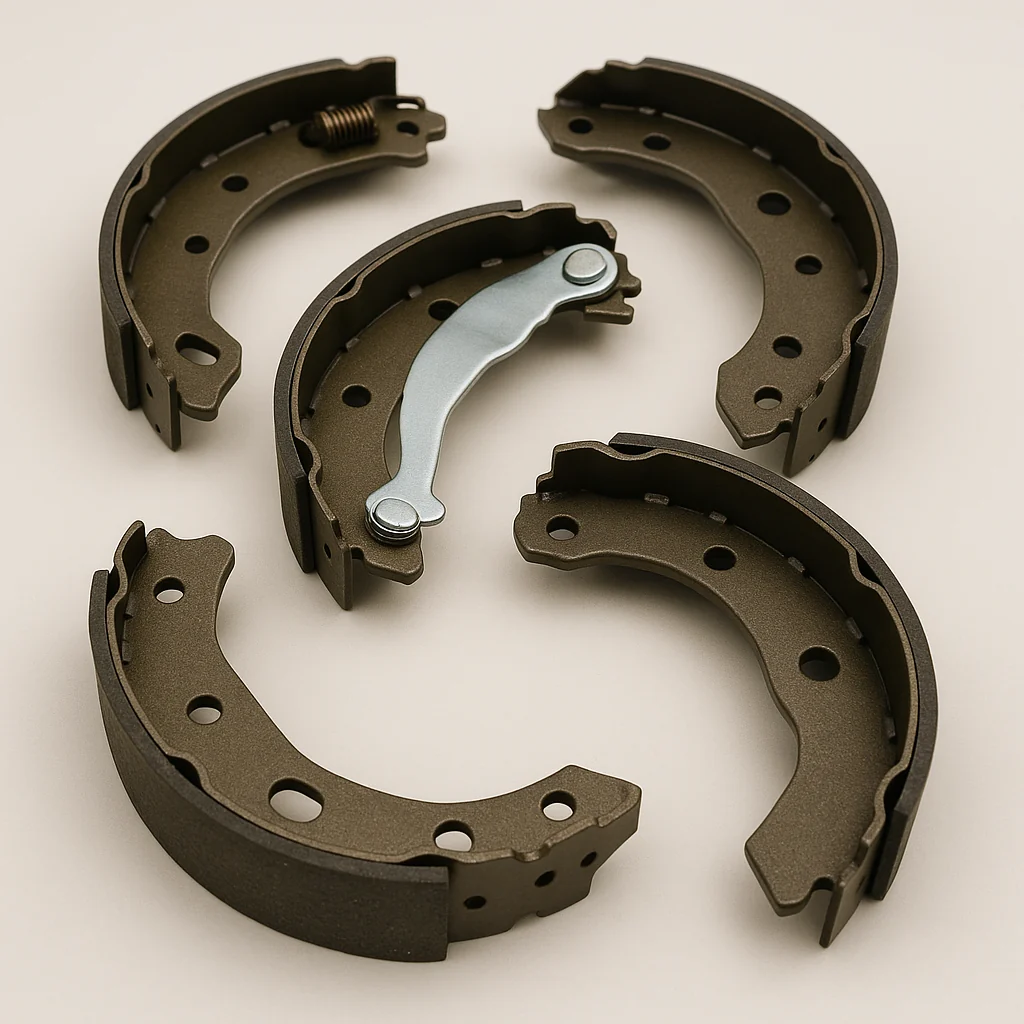
Brake Shoe Replacement (Rear)

Scraping noises from the rear, weak handbrake holding power, or pedal sinking during stops? A rear brake shoe replacement restores solid drum friction, reliable rear stopping power, and a firm parking brake.Over time, friction wear degrades the shoe lining material down to the bare metal backing, leading to harsh scraping noises, reduced rear braking power, and poor parking brake engagement. To perform the service, the technician lifts the rear of the vehicle, removes the wheels, and slips off the outer brake drums.

Brake Rotors/Discs Replacement

Brake pedal vibrating under your foot, deep grooving on your wheel discs, or harsh metallic grinding? A brake rotor replacement eliminates pedal shudder, shortens stopping distances, and restores smooth, safe braking.Over thousands of miles, extreme friction heat causes rotors to develop uneven thickness, warping, thermal scoring, or rust ridges that reduce stopping efficiency. When warped or worn below minimum discard thickness, these imperfections cause noticeable pedal shudder, steering wheel vibration, and accelerated brake pad wear.

Brake Pad Replacement

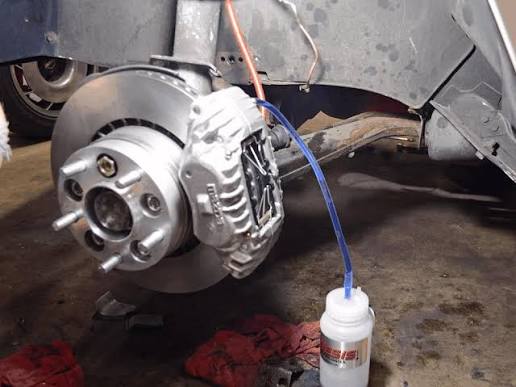
High-pitched squealing, harsh grinding when stopping, or longer stopping distances? A brake pad replacement restores firm stopping power, eliminates harsh brake noise, and protects your expensive brake rotors from severe wear.Every time you step on the brake pedal, hydraulic pressure forces the caliper to squeeze these pads against the rotors, generating intense friction and heat that naturally wears away the pad material over time.

Brake Master Cylinder Replacement

Spongy brake pedal sinking to the floor, brake warning light on, or fluid leaking near the firewall? A brake master cylinder replacement restores hydraulic pressure for firm, reliable stopping power.Replacing a brake master cylinder involves renewing the primary pump that converts the mechanical force of your foot on the brake pedal into hydraulic pressure distributed across all four wheels.

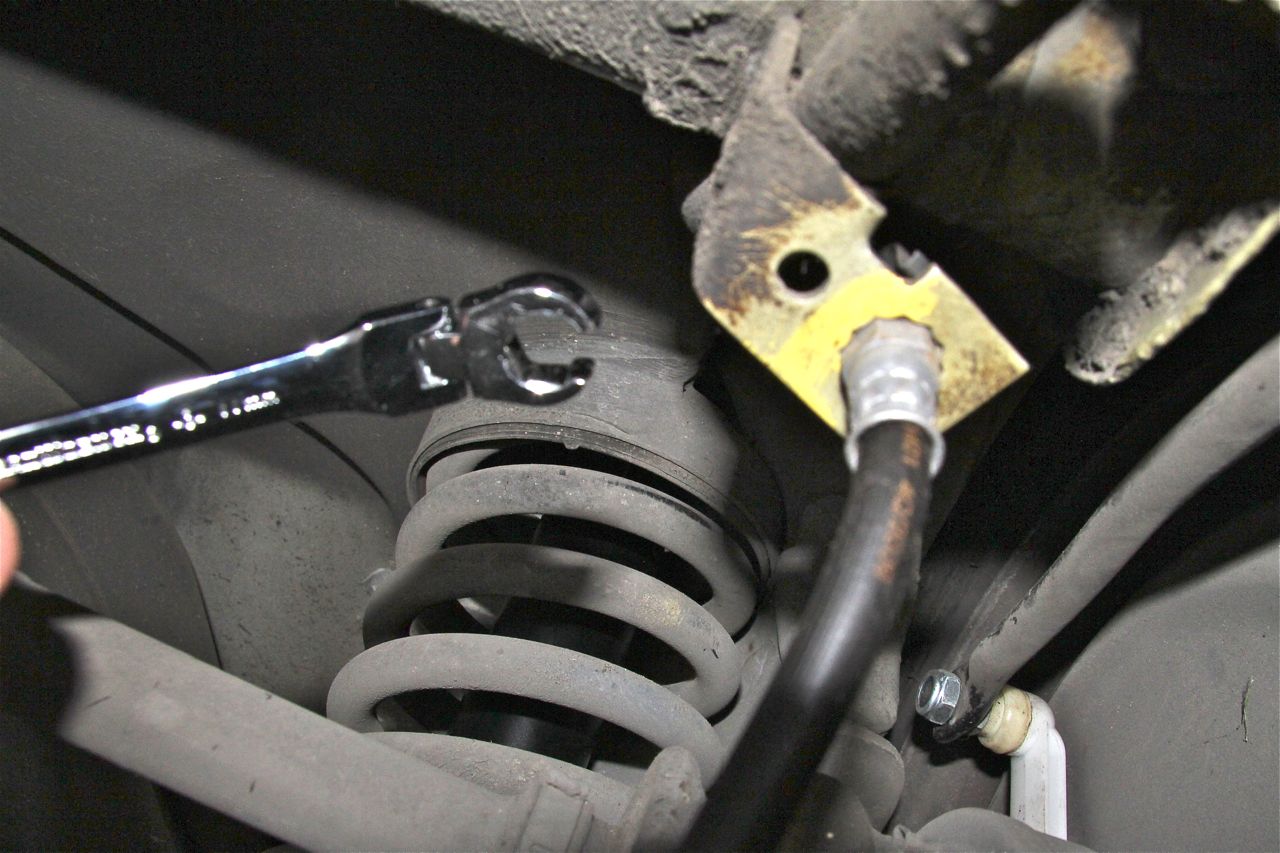
Brake Hose Replacement

Spongy brake pedal that sinks to the floor, wet fluid around your tires, or cracked rubber lines? A brake hose replacement restores hydraulic pressure for firm, immediate stopping power.Replacing a brake hose involves swapping the flexible, reinforced rubber or stainless-steel line that carries high-pressure hydraulic brake fluid from the vehicle’s rigid chassis lines to the movable wheel calipers or wheel cylinders.

Brake Drum Replacement

Grinding or scraping noise from the rear wheels, vibrating brake pedal, or loose parking brake? A brake drum replacement restores rear braking surface integrity and reliable stopping power.

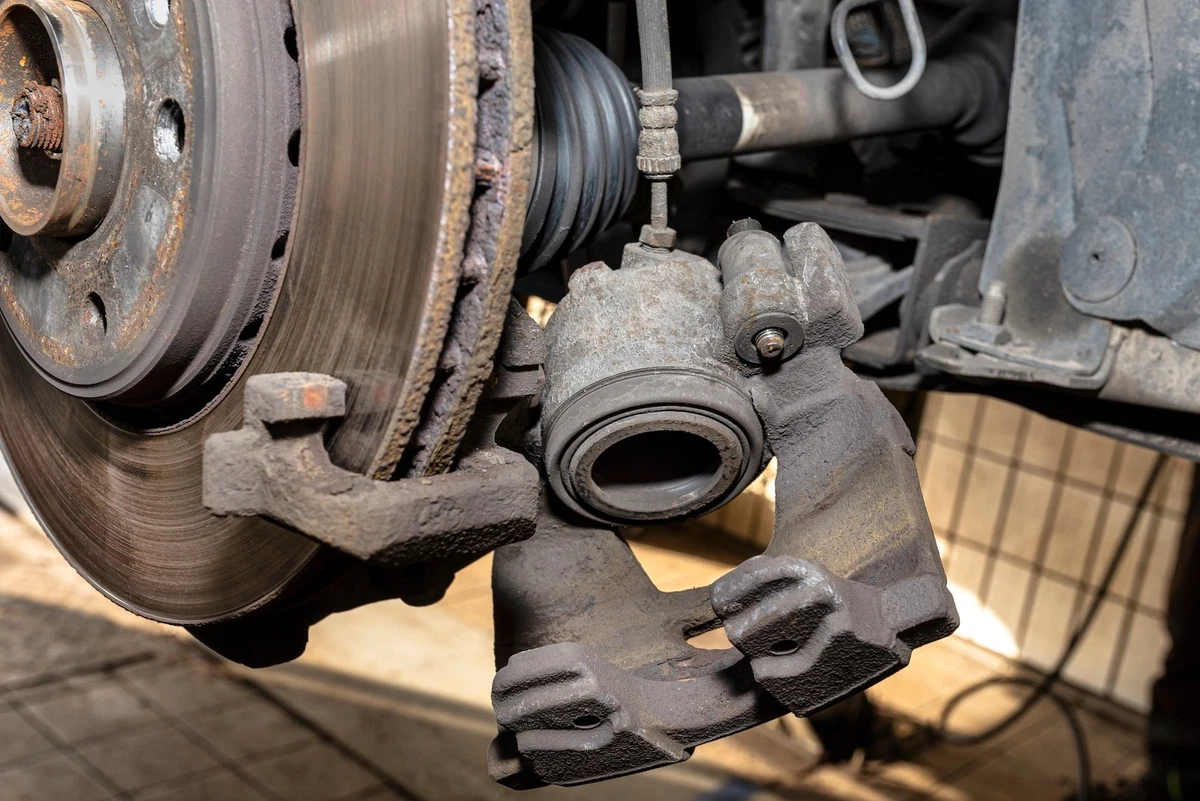
Brake Caliper Replacement

Vehicle pulling to one side, burning rubber smell, or brake fluid leaking around your wheels? A brake caliper replacement restores balanced hydraulic pressure for smooth, straight-line stopping power.Over thousands of miles, exposure to extreme friction heat, moisture, and road debris can cause caliper internal piston seals to leak or slide pins to seize, resulting in uneven pad wear, constant brake drag, or dangerous pulling to one side. To perform the replacement, the mechanic lifts the vehicle, removes the wheel, and clamps the soft brake line before unbolting the hydraulic banjo fitting and caliper mounting bracket.

Anti-Lock Fuses or Relay Replacement

Anti-Lock Braking System (ABS) fuse or relay involves renewing the key electrical protection devices that supply high-amperage power to your vehicle’s ABS hydraulic pump and electronic control unit. With the vehicle turned off and the negative battery terminal disconnected, open the main under-hood power distribution box, locate the dedicated ABS fuse or relay using the cover diagram, and pull the faulty component. Inspect the fuse for a broken filament or test the relay contacts for electrical continuity before inserting a fresh OEM-rated replacement with matching pin configurations and amperage limits.

Search for products

Back to Top
Product has been added to your cart