Call us 24/7+254 700 031 732

Car is overheating Inspection

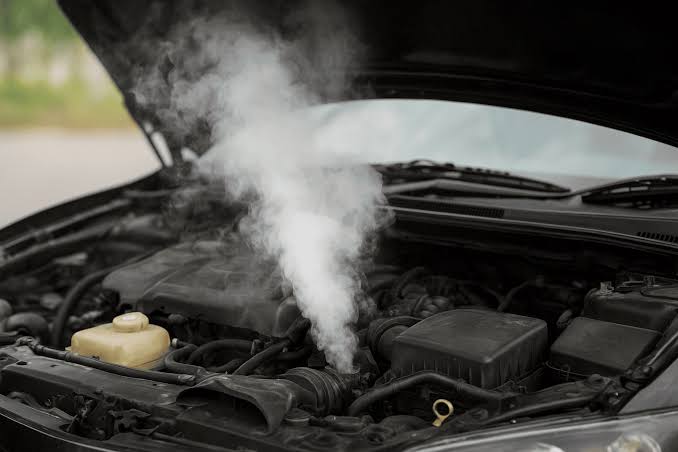
Temperature gauge spiking, steam under the hood, or coolant leaking? A car overheating inspection identifies stuck thermostats, radiator leaks, failing water pumps, and blown head gaskets before severe engine damage occurs.Internal combustion engines generate immense thermal energy that must be continuously absorbed by liquid coolant and dissipated through the radiator. When this balance is disrupted, engine temperatures can spike rapidly, risking warped cylinder heads, blown head gaskets, and cracked engine blocks.
Car is running hotter than normal Inspection

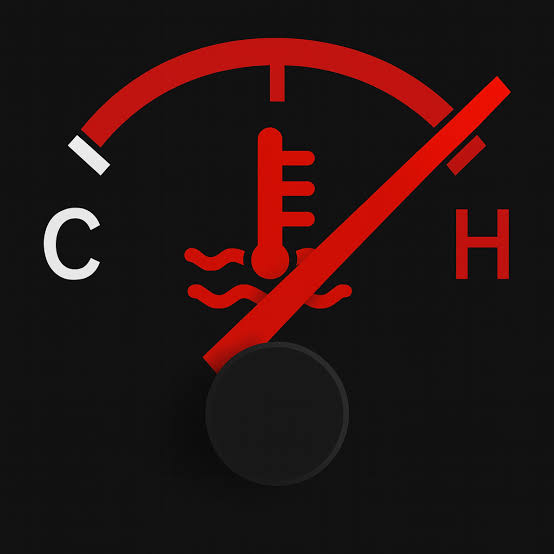
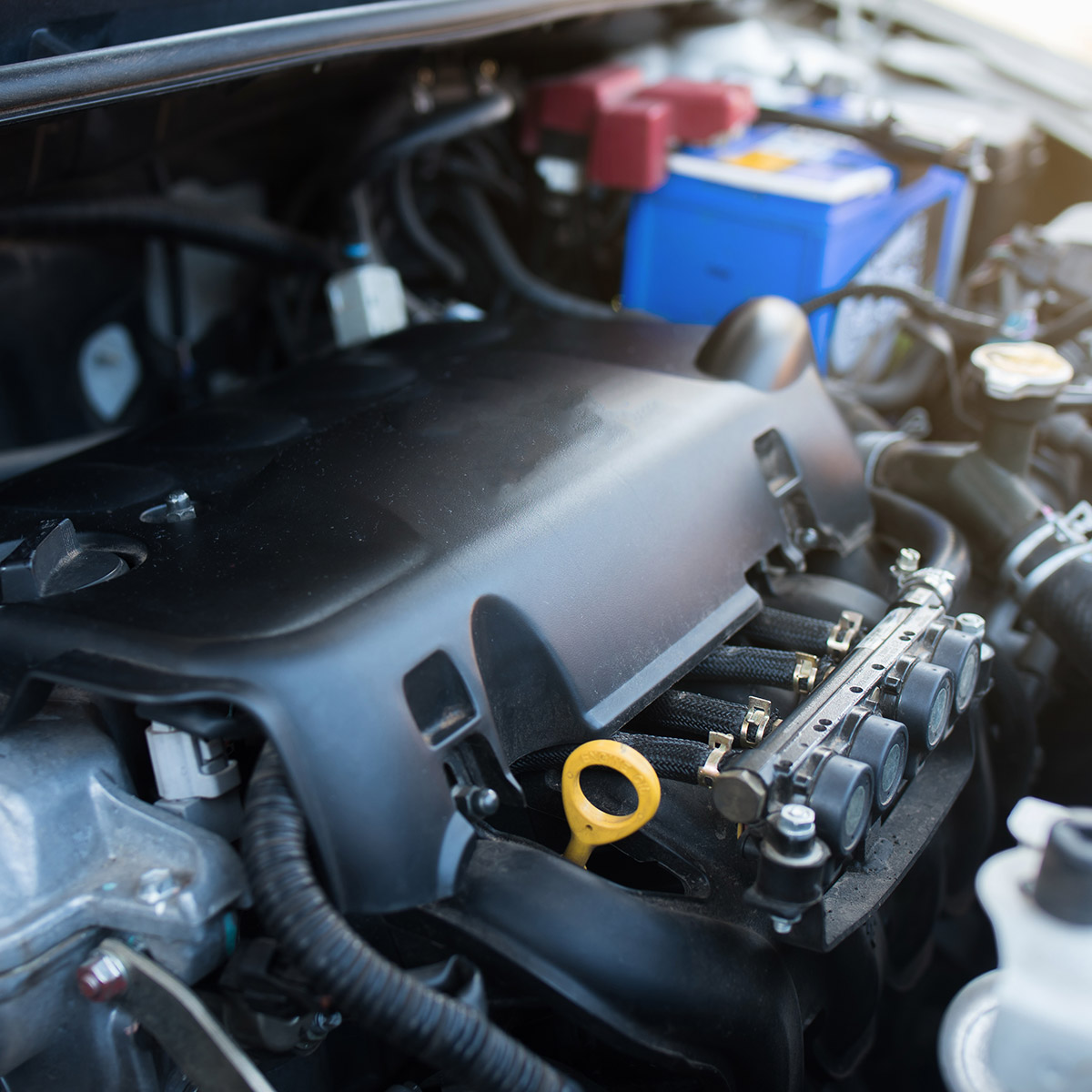
Temperature gauge sitting higher than usual or cooling fan running constantly? A running hotter than normal inspection catches thermostat restrictions, minor coolant leaks, and radiator clogs before full overheating occurs.An inspection for an engine that is running hotter than normal is an essential early-stage diagnostic procedure aimed at identifying minor cooling system inefficiencies before they escalate into severe overheating and engine damage.

Car is shaking or vibrating Inspection

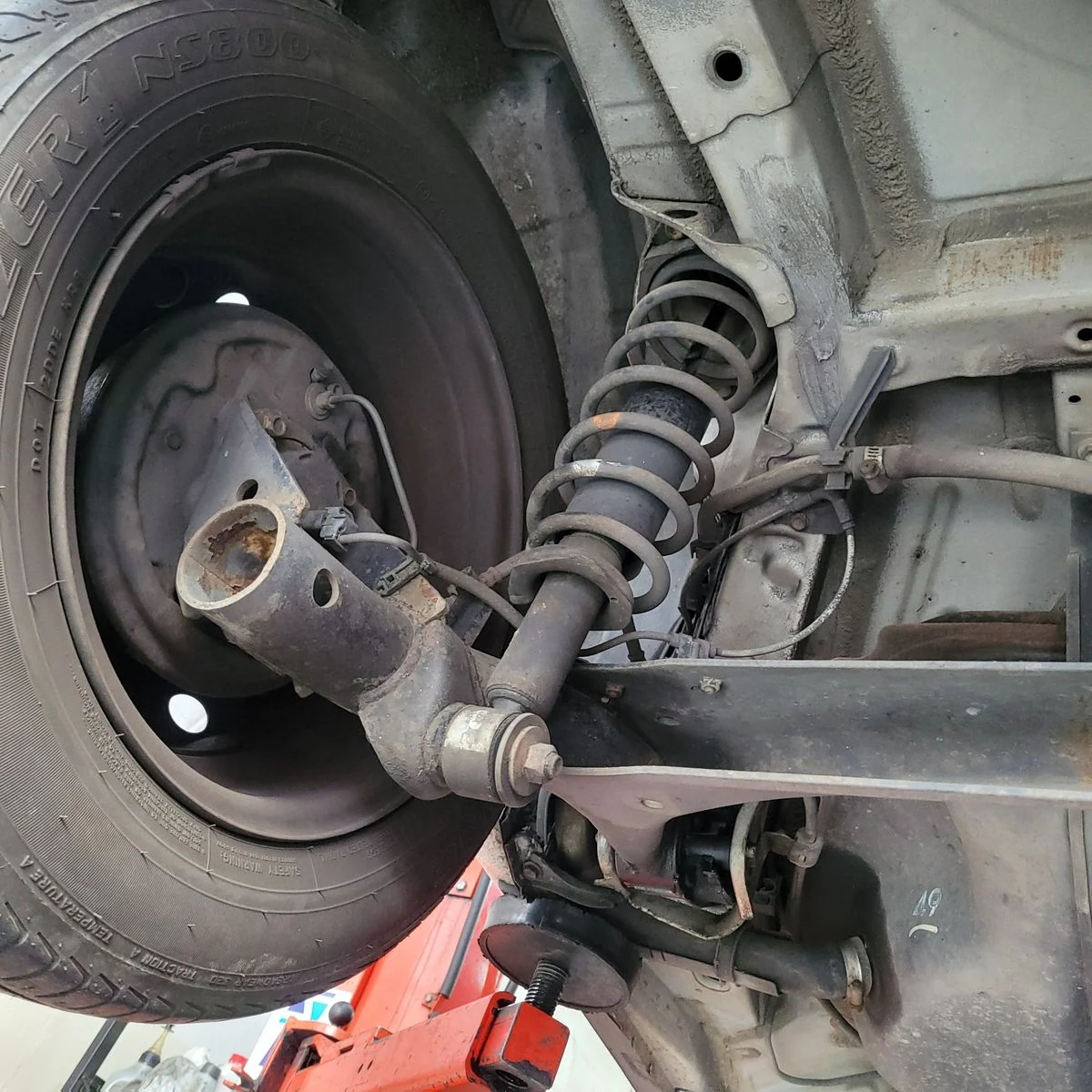
Vehicle shaking at highway speeds, vibration in the steering wheel, or shuddering during braking? A shaking inspection pinpoints wheel imbalance, warped brake rotors, worn CV joints, and bad engine mounts.An inspection for a car that is shaking or vibrating involves a systematic diagnostic evaluation of the vehicle’s rotating assemblies, driveline components, suspension linkages, and engine isolation mounts.

Car is slow to accelerate Inspection

Vehicle lagging, sluggish when stepping on the gas, or struggling up hills? A slow acceleration inspection identifies clogged catalytic converters, dirty air filters, weak fuel delivery, and failing sensors.An inspection for a car that is slow to accelerate involves evaluating the engine’s air intake, fuel delivery, electronic throttle control, ignition timing, and exhaust backpressure to identify why the engine cannot generate rapid power under load.

Car is stalling Inspection

Engine unexpectedly dying while driving, stopping at red lights, or idling? A car stalling inspection identifies failing fuel pumps, dirty idle air control valves, vacuum leaks, and bad crank sensors.An engine stalls when the balance of air, fuel, spark, or mechanical timing is abruptly broken. When an engine dies specifically while coming to a stop or idling, the issue often lies in the idle airflow management circuit—such as a heavily carbon-fouled Idle Air Control (IAC) valve, a dirty electronic throttle body, or a sticking Exhaust Gas Recirculation (EGR) valve that dumps unmetered exhaust gases into the intake manifold at low speeds.

Battery Light is on Inspection

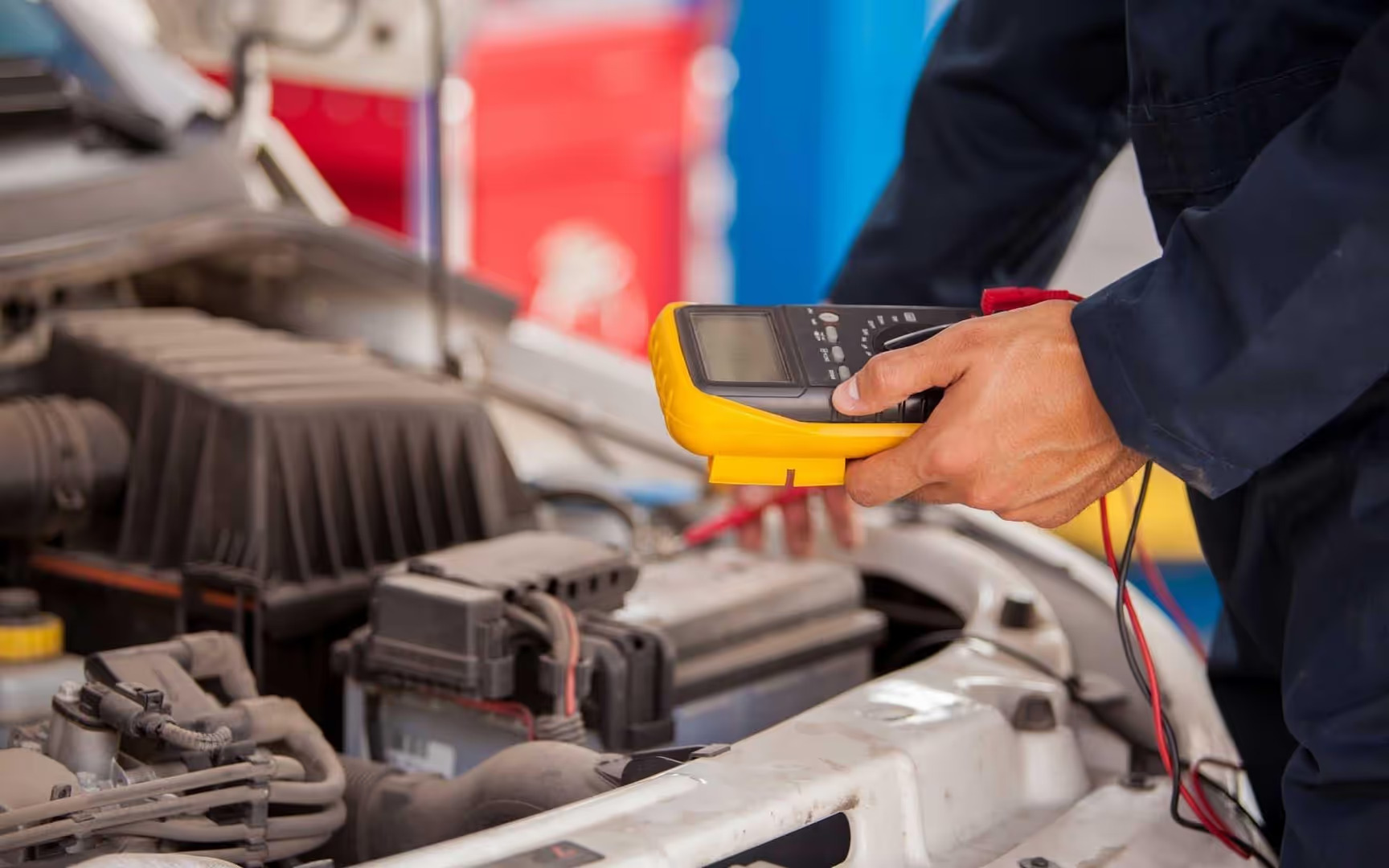
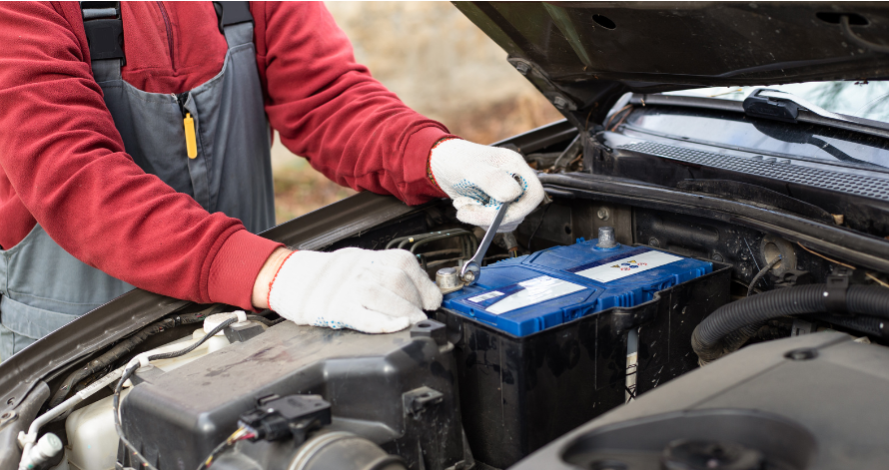
An inspection for an illuminated battery light involves diagnosing the vehicle’s electrical charging system to determine why the battery is not receiving proper voltage while the engine is running.Battery warning light illuminated on your dashboard, dim headlights, or engine stalling while driving? A charging system inspection tests the alternator, battery, and serpentine belt to prevent roadside breakdowns.

Battery is dead Inspection

Battery warning light illuminated on your dashboard, dim headlights, or engine stalling while driving? A charging system inspection tests the alternator, battery, and serpentine belt to prevent roadside breakdowns.An inspection for an illuminated battery light involves diagnosing the vehicle’s electrical charging system to determine why the battery is not receiving proper voltage while the engine is running.

Battery will not hold a charge Inspection

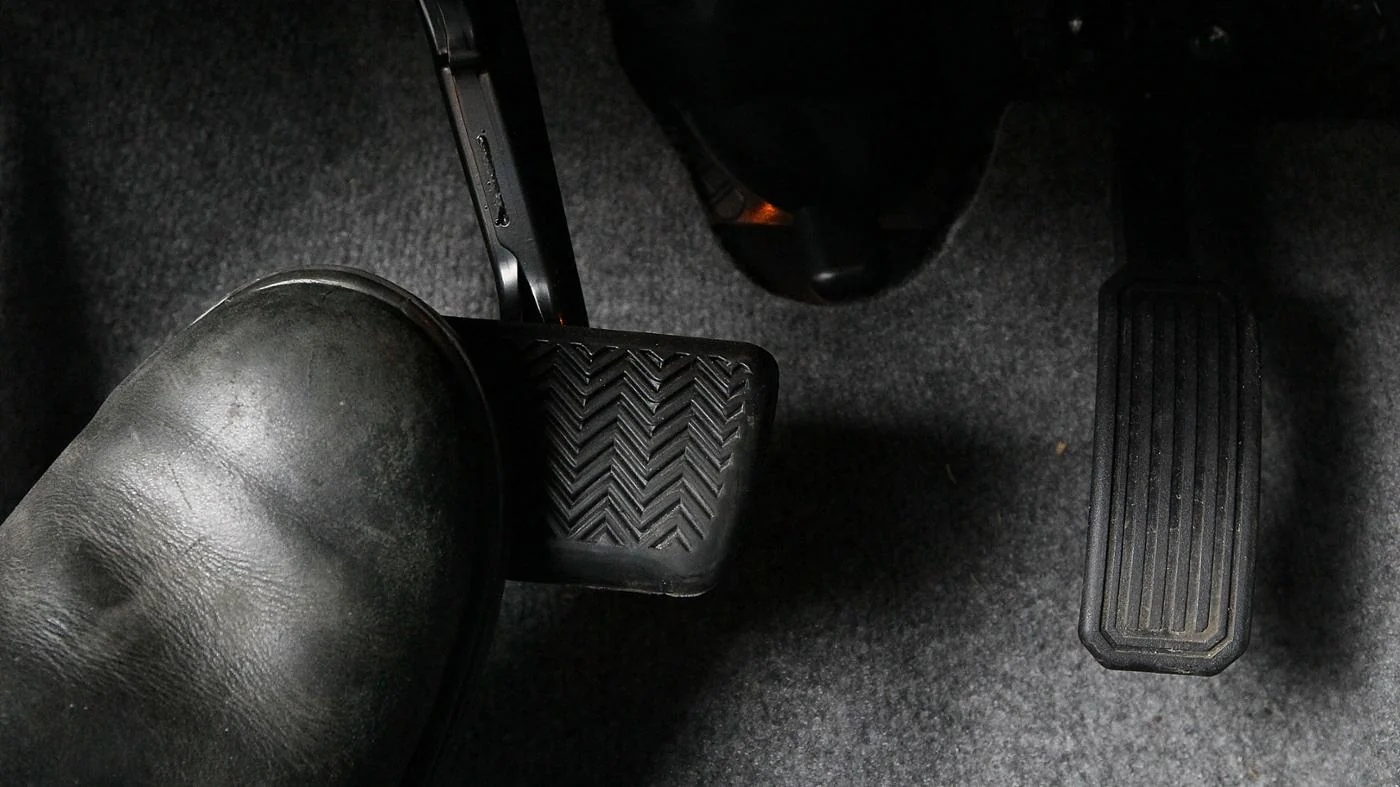
Stiff brake pedal requiring extreme foot pressure to slow down or stop? A brake pedal inspection diagnoses vacuum booster failures, check valve leaks, and caliper seize issues to restore safe, power-assisted braking.An inspection for a hard-to-push brake pedal involves evaluating the vehicle’s power-assist brake system and hydraulic circuit to locate the source of lost power assistance or mechanical resistance.

Brakes must be pumped to work Inspection

Brakes only work after pumping the pedal several times? A brake pumping inspection identifies master cylinder pressure leaks, air trapped in lines, and loose wheel bearings to restore instant stopping power. An inspection for brakes that must be pumped to work involves diagnosing severe hydraulic pressure loss, trapped air pockets, or mechanical component misalignment within the stopping system.

Search for products

Back to Top
Product has been added to your cart