Call us 24/7+254 700 031 732

Clean Windshield Washer Tubes and Jets Inspection

The tubes that make up your windshield washer system are typically several feet long and are connected directly to your windshield washer reservoir. These tubes are exposed to all the elements that come from the open road and over time, these tubes will begin to get clogged and dirty.. The jets are plastic nozzles that are located right at or near the middle of your hood. These nozzles must spray the windshield washing solution at varying levels of your driving speed. So cleaning these nozzles periodically is absolutely critical for the system to work. Clean windshield washer tubes and jets allow you to quickly remove mud and other impediments that would normally get stuck on your windshield. Some of the symptoms that may make you think that the windshield washer tubes and jets are dirty may actually be due to the other components of your windshield washer system. These can be cleaned out as well if needed.


Vision is one thing you should not compromise on when it comes to your daily driving. In the case of windshield washer tubes and jets, you’re cleaning a part that isn’t costly and can make a world of difference when it comes to safety. If you find that the washer fluid is just not making it to where it needs to go, then invest in a proper cleaning.

Clicking or popping sound is coming from wheels Inspection

Hearing strange noises from your wheels can be very disconcerting. All it takes is one serious wheel problem to render your car dangerous and unable to drive, so uncommon noises from the wheels are justifiably nerve-wracking. As with all unusual noises from your car, clicking and popping from the wheel should prompt you to schedule an inspection straight away. Even though the clicking or popping noise sounds like it’s coming from your wheels, the problem rarely originates in the wheels; that’s just where it sounds like the noise is coming from. The steering system in your vehicle is a complex system with many different moving parts, and many of these components can cause these strange noises.


A top-rated mobile mechanic will come to your home or office to determine the cause of the clicking or popping sound in the wheels, and will then provide a detailed inspection report that includes the scope and cost of the necessary repairs. A mechanic will likely check your wheels and tires first, to make sure there isn’t an easy solution to the clicking and popping noise that you’re hearing. Next, the mechanic will check out the steering linkage and suspension, as that is likely where the problem is coming from. If there is an issue with the struts, CV joints, or another steering or suspension component, a replacement will be needed.


When a vehicle is making popping or clicking noises from near the wheel, it could be a sign of a serious issue. Continuing to drive a vehicle that has damaged struts or CV joints could result in more severe damage, and an unsafe vehicle to drive. Any time you notice your car making noises that you are not familiar with, you should schedule an inspection immediately.

Clunking noise when I drive over bumps Inspection

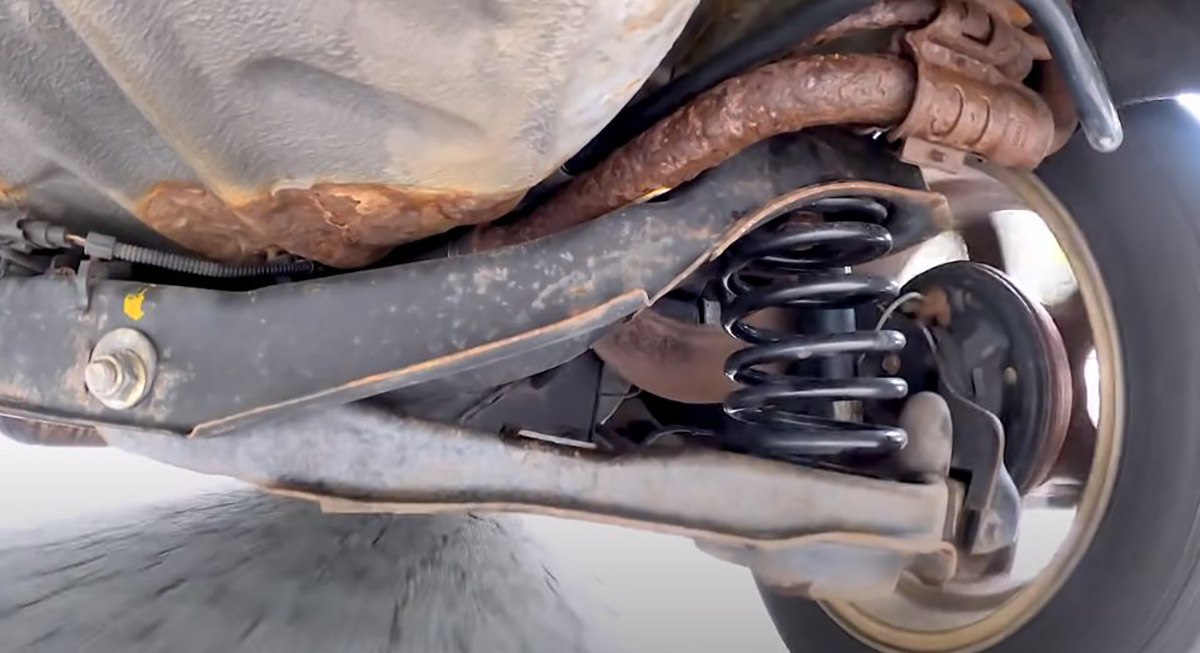
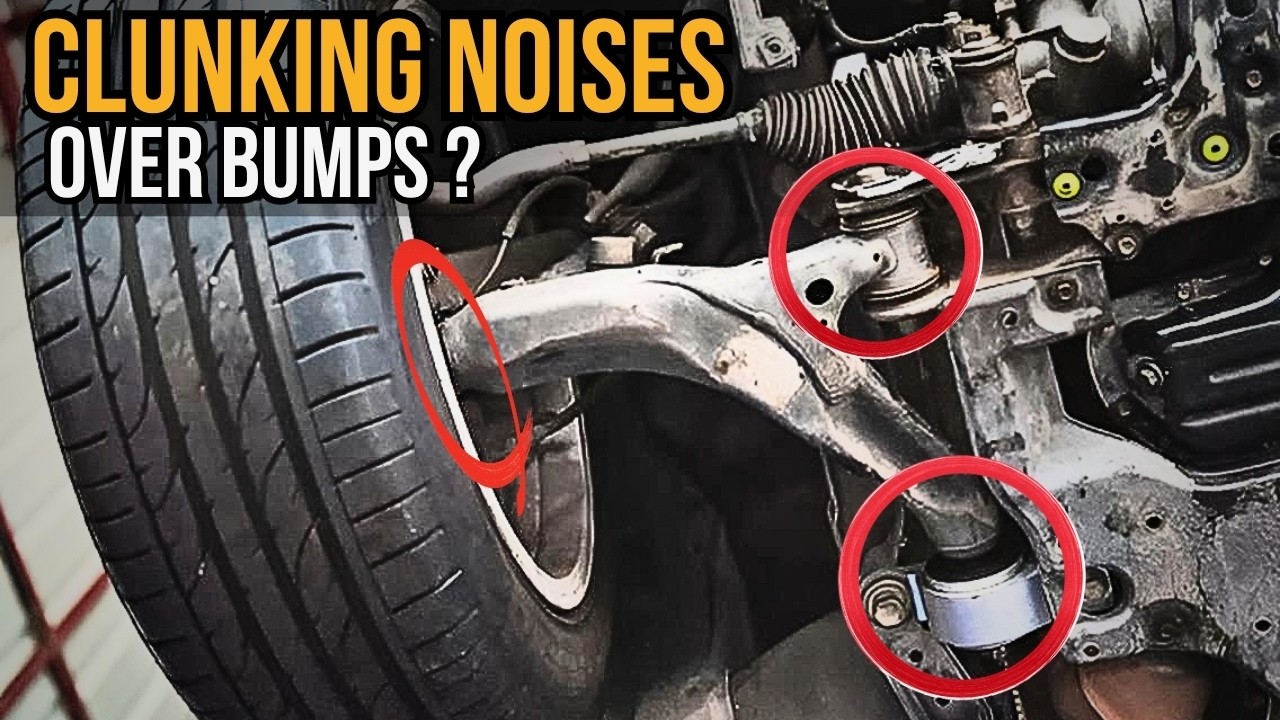
Heavy metallic clunking or knocking noise when driving over speed bumps or rough roads? A bump clunking inspection pinpoints worn sway bar links, blown struts, bad ball joints, and deteriorated control arm bushings.The most common cause of a sharp, metallic clunk over small bumps is worn sway bar end links or deteriorated sway bar frame bushings: as the rubber bushings or internal ball-and-socket joints wear down, the stabilizer bar slams against its mounting hardware under chassis movement.

Clunking or knocking noise from wheels Inspection

Hearing a distinct clunking or knocking sound directly from your wheels while driving, turning, or braking? A wheel noise inspection diagnoses bad wheel bearings, loose lug nuts, worn CV joints, and damaged brake hardware.An inspection for a clunking or knocking noise originating directly from the wheels involves diagnosing rotational driveline components, wheel attachment hardware, and wheel-end brake assemblies.

Car is not starting Inspection

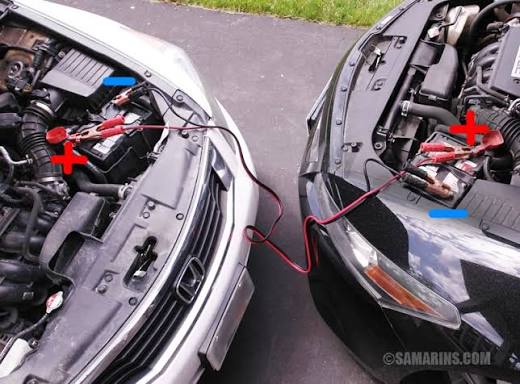
Engine won’t turn over, clicking when turning the key, or cranking endlessly without starting? A no-start inspection identifies dead batteries, failed starters, fuel pump drops, and ignition failures.An inspection for a car that will not start involves a systematic diagnostic approach to identify whether the breakdown is caused by an electrical failure in the cranking circuit, a breakdown in fuel delivery, a loss of ignition spark, or an electronic immobilizer lockout.

Car is overheating Inspection

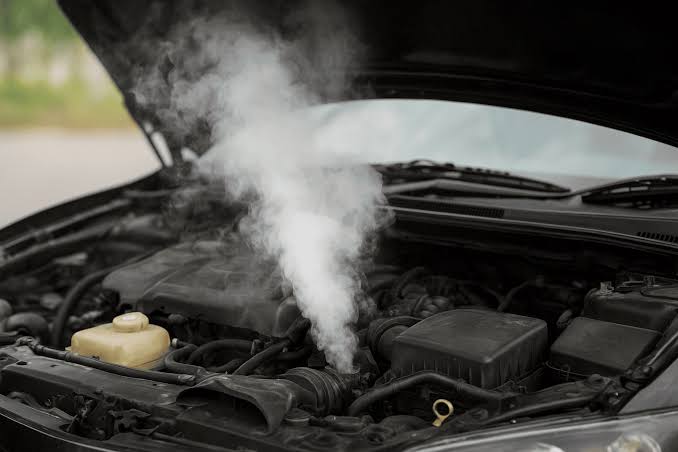
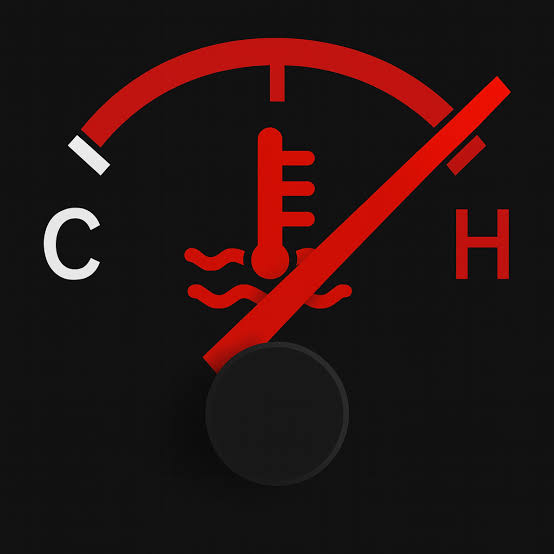
Temperature gauge spiking, steam under the hood, or coolant leaking? A car overheating inspection identifies stuck thermostats, radiator leaks, failing water pumps, and blown head gaskets before severe engine damage occurs.Internal combustion engines generate immense thermal energy that must be continuously absorbed by liquid coolant and dissipated through the radiator. When this balance is disrupted, engine temperatures can spike rapidly, risking warped cylinder heads, blown head gaskets, and cracked engine blocks.

Car is running hotter than normal Inspection

Temperature gauge sitting higher than usual or cooling fan running constantly? A running hotter than normal inspection catches thermostat restrictions, minor coolant leaks, and radiator clogs before full overheating occurs.An inspection for an engine that is running hotter than normal is an essential early-stage diagnostic procedure aimed at identifying minor cooling system inefficiencies before they escalate into severe overheating and engine damage.

Car is shaking or vibrating Inspection

Vehicle shaking at highway speeds, vibration in the steering wheel, or shuddering during braking? A shaking inspection pinpoints wheel imbalance, warped brake rotors, worn CV joints, and bad engine mounts.An inspection for a car that is shaking or vibrating involves a systematic diagnostic evaluation of the vehicle’s rotating assemblies, driveline components, suspension linkages, and engine isolation mounts.

Car is slow to accelerate Inspection

Vehicle lagging, sluggish when stepping on the gas, or struggling up hills? A slow acceleration inspection identifies clogged catalytic converters, dirty air filters, weak fuel delivery, and failing sensors.An inspection for a car that is slow to accelerate involves evaluating the engine’s air intake, fuel delivery, electronic throttle control, ignition timing, and exhaust backpressure to identify why the engine cannot generate rapid power under load.

Search for products

Back to Top
Product has been added to your cart