Call us 24/7+254 700 031 732

Cabin Air Filter Replacement

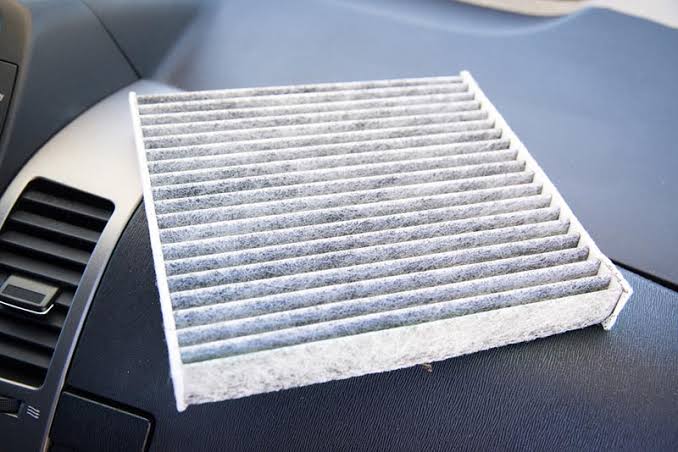
A cabin air filter replacement service helps maintain clean, fresh air inside your vehicle by filtering dust, pollen, dirt and other airborne particles before they enter through the heating, ventilation and air conditioning system. Over time, the cabin air filter can become clogged with contaminants, reducing airflow from the vents and allowing unpleasant odours to develop inside the vehicle. Common signs that your cabin air filter needs replacement include weak airflow, musty smells when the AC is running and increased dust inside the cabin. During the service, a qualified mechanic inspects the existing filter, checks for dirt buildup and installs a compatible replacement according to your vehicle manufacturer’s specifications. Replacing a dirty cabin air filter helps improve ventilation, maintain a more comfortable driving environment and support cleaner air circulation for occupants. The recommended replacement interval depends on your vehicle, driving habits and exposure to dusty conditions. Book a Cabin Air Filter Replacement service with Ask Auto Parts Africa to help keep your vehicle’s interior air fresh and your ventilation system operating efficiently.
Fuel Filter Replacement

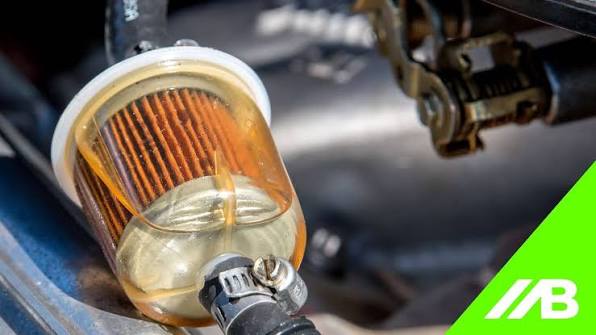
Fuel filter replacement helps maintain clean and consistent fuel delivery by removing dirt, rust particles, and other contaminants before they reach the engine’s fuel system. The fuel filter protects sensitive components, including fuel injectors and, where applicable, the fuel pump, by trapping impurities that may interfere with proper fuel flow and combustion. Over time, the filter can become clogged with accumulated contaminants, restricting fuel delivery and affecting engine performance. Common warning signs include difficulty starting the engine, hesitation during acceleration, reduced engine power, engine misfiring, stalling, or increased fuel consumption. During this service, a qualified mechanic inspects the fuel filter and related components to determine whether replacement is necessary. The existing filter is removed using the appropriate procedure for the vehicle’s fuel system, and a compatible replacement is installed according to the manufacturer’s specifications. The mechanic also checks the fuel lines, connections, and seals for wear or leaks and follows the required procedure to restore fuel pressure where applicable. After installation, the fuel system is checked for leaks, and engine operation is assessed to confirm proper fuel delivery. Replacing a worn or clogged fuel filter helps protect fuel system components, maintain consistent engine performance, and support reliable vehicle operation.

Cooling System Flush

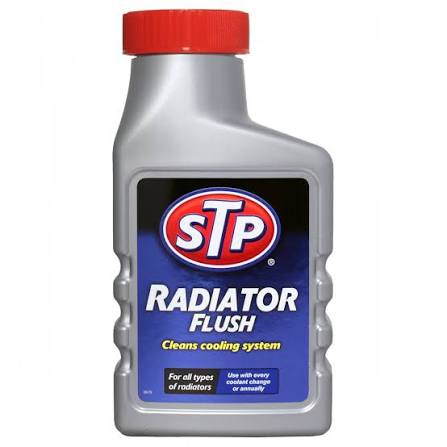
A cooling system flush service helps maintain your vehicle’s engine temperature by removing old coolant, rust particles, dirt and accumulated deposits from the cooling system. Over time, coolant can deteriorate and lose some of its protective properties, allowing corrosion and deposits to build up inside components such as the radiator, engine passages and heater core. Common signs that your vehicle may need a cooling system flush include overheating, discoloured coolant, recurring coolant contamination and inconsistent cabin heating. During the service, a qualified mechanic inspects the cooling system, drains the old coolant, flushes the system using a suitable procedure and refills it with the correct coolant mixture specified by the vehicle manufacturer. The mechanic also checks for leaks and assesses the condition of key components, including the radiator, hoses and coolant reservoir. Regular cooling system maintenance helps support effective heat transfer, protect against corrosion and reduce the risk of overheating caused by contaminated coolant or deposits. Book a Cooling System Flush service with Ask Auto Parts Africa to help keep your engine running at the correct temperature and your cooling system working efficiently.

Power Steering Fluid Service

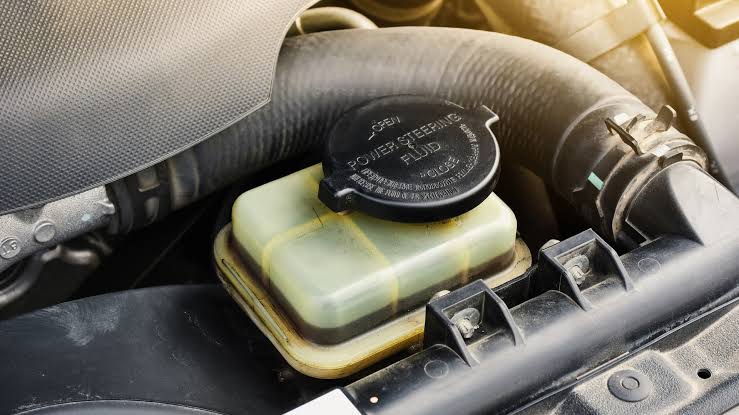
A power steering fluid service helps maintain smooth, responsive steering in vehicles equipped with hydraulic or electro-hydraulic power steering systems. The fluid transfers hydraulic pressure that assists steering movement, making it easier to turn the steering wheel and control the vehicle. Over time, the fluid can deteriorate or become contaminated, potentially affecting steering performance and contributing to wear on system components. Common signs of power steering fluid problems include a whining noise when turning the steering wheel, stiff steering, inconsistent steering assistance or a low fluid level. During the service, a qualified mechanic checks the fluid condition and level, inspects the reservoir, hoses and connections for leaks, and determines whether the fluid needs topping up, replacing or flushing according to the vehicle manufacturer’s recommendations. The correct fluid specification is essential because using an unsuitable fluid can damage steering components. Regular maintenance helps support smooth steering operation, protect the hydraulic system and improve driving comfort. Book a Power Steering Fluid Service with Ask Auto Parts Africa to help keep your steering system operating smoothly and reliably.

Vent Oil Separator Replacement

Vent oil separator replacement helps maintain proper crankcase ventilation by separating oil mist from engine gases before they are recirculated or routed through the ventilation system. The vent oil separator helps reduce oil vapour entering the intake system while supporting appropriate crankcase pressure and efficient engine operation. Over time, the separator can become clogged, damaged, or less effective due to oil residue buildup, internal wear, or deteriorating seals. Common warning signs include increased oil consumption, oil leaks around engine seals, excessive oil residue in the intake system, rough idling, or unusual pressure within the crankcase. During this service, a qualified mechanic inspects the vent oil separator, associated hoses, ventilation passages, and seals to determine whether the component requires replacement. The faulty separator is carefully removed, and the surrounding connections are checked for blockages, cracks, or damage. A suitable replacement is then installed according to the vehicle manufacturer’s specifications, ensuring that all hoses, seals, and connections are properly secured. The mechanic checks the ventilation system for leaks and verifies that crankcase ventilation operates correctly after installation.

Canister Purge Solenoid Replacement

Canister purge solenoid replacement helps restore proper operation of your vehicle’s evaporative emission control system, which manages fuel vapours and reduces their release into the atmosphere. The purge solenoid controls the flow of fuel vapours from the charcoal canister into the engine intake, where they are burned during normal combustion. When the solenoid becomes stuck, clogged, or electrically faulty, the vehicle may experience rough idling, difficulty starting after refuelling, increased fuel consumption, fuel vapour odours, or an illuminated check engine light. During this service, a qualified mechanic uses diagnostic equipment to check for relevant fault codes and inspects the purge solenoid, electrical connections, vacuum hoses, and related evaporative emission system components. Once the fault is confirmed, the defective solenoid is removed and replaced with a compatible component that meets the vehicle manufacturer’s specifications. The mechanic then checks the hose connections, verifies electrical operation, and tests the system for proper purge control and possible leaks. Replacing a faulty canister purge solenoid helps restore controlled fuel vapour circulation, supports efficient engine operation, and reduces unnecessary hydrocarbon emissions.

Catalytic Converter Replacement

Catalytic converter replacement helps restore your vehicle’s exhaust emission control system when the existing converter becomes damaged, contaminated, or no longer functions effectively. The catalytic converter is part of the exhaust system and helps reduce harmful pollutants by converting certain exhaust gases into less harmful emissions before they leave the tailpipe. Over time, the converter may become clogged, overheat, suffer internal damage, or lose its effectiveness due to engine misfires, oil consumption, coolant leaks, or other engine-related problems. Common warning signs include reduced engine power, poor acceleration, increased fuel consumption, unusual exhaust odours, rattling noises from the exhaust system, or an illuminated check engine light. During this service, a qualified mechanic inspects the catalytic converter, checks relevant diagnostic trouble codes, and examines the exhaust system and engine performance to identify the underlying cause of the problem. Once replacement is confirmed, the faulty converter is removed and a compatible replacement is installed according to the vehicle manufacturer’s specifications and applicable emissions requirements. The mechanic also inspects exhaust connections and gaskets, checks for leaks, and verifies that the exhaust system operates correctly after installation. Replacing a faulty catalytic converter helps restore exhaust emission control, support proper engine performance, and reduce harmful vehicle emissions.

Leak Detection Pump Replacement

The Leak Detection Pump triggers the Check Engine light when your vehicle has minor leaks that are hard to detect.


Federal law requires a working leak detection pump because it helps ensure your evaporative | emission system (EVAP) is functioning correctly. | It’s designed to mitigate fuel vapors escaping from the fuel system. Any leaks in the system can emit vapors that pollute the atmosphere, which is why it’s a regulated aspect of the vehicle’s engine.


Disconnect negative battery cable at the battery. | Determine the location of the Leak Detection Pump | Remove vapor/vacuum lines at Leak Detection Pump and disconnect electrical connector at the site. | Install a new Leak Detection Pump, reinstall vacuum lines and electrical connector | Reconnect and test the battery for proper operation | Recheck EVAP tests and clear codes


This repair is highly complex and is optimally performed by an experienced professional. Be sure to unhook the Leak Detection Pump from the battery tray in order to prevent damage to Leak Detection Pump wiring when you’re working on the Leak Detection Pump.


Leak Detection Pumps collect and move fuel vapors for combustion and monitor the fuel system to ensure there aren’t issues that can harm the environment or your vehicle. It’s a vital service because it makes sure that the rest of your vehicle is working properly.

Carburetor Repair

Carburetor repair helps restore the proper air-fuel mixture required for smooth engine operation in vehicles equipped with a carburetor. The carburetor mixes fuel with incoming air in the correct proportions to support combustion, allowing the engine to start, idle, accelerate, and operate efficiently. Over time, dirt, fuel residue, blocked jets, worn seals, damaged floats, or faulty internal components can interfere with fuel delivery and affect engine performance. Common warning signs include difficulty starting the engine, rough idling, engine stalling, hesitation during acceleration, excessive fuel consumption, fuel leaks, or black exhaust smoke. During this service, a qualified mechanic inspects the carburetor, fuel lines, air intake, linkages, and related components to identify the source of the problem. Depending on the condition of the unit, the mechanic may clean blocked passages, adjust the air-fuel mixture and idle settings where appropriate, replace worn gaskets or damaged components, and repair faulty fuel delivery mechanisms.

Search for products

Back to Top
Product has been added to your cart