Call us 24/7+254 700 031 732

Engine hesitates during acceleration Inspection

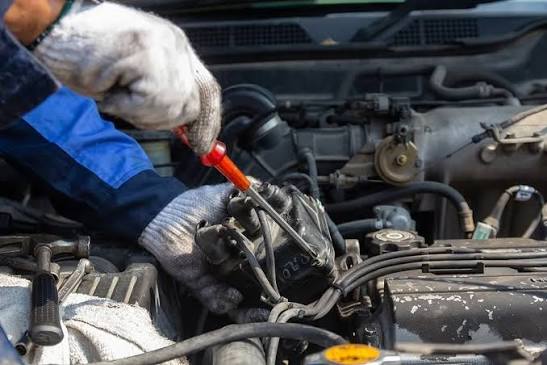
If your engine hesitates, jerks, or struggles when you press the accelerator, our inspection helps identify the cause, whether it involves clogged fuel injectors, a dirty air filter, faulty spark plugs, fuel delivery issues, or a malfunctioning sensor. Finding the source of the hesitation helps restore smoother acceleration, improve engine responsiveness, reduce unnecessary fuel consumption where possible, and prevent minor faults from developing into more costly repairs.
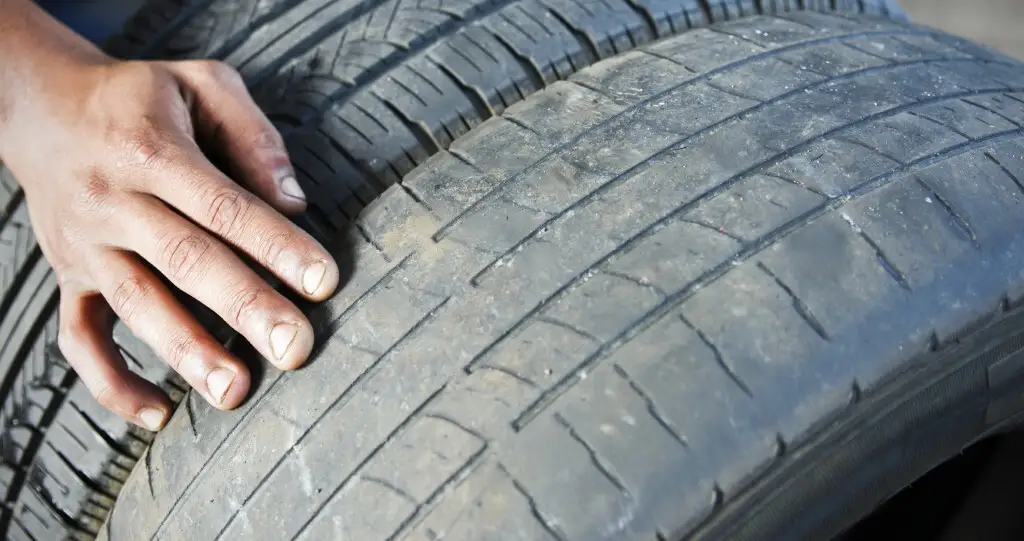
Excessive wear on outer edges of tire Inspection

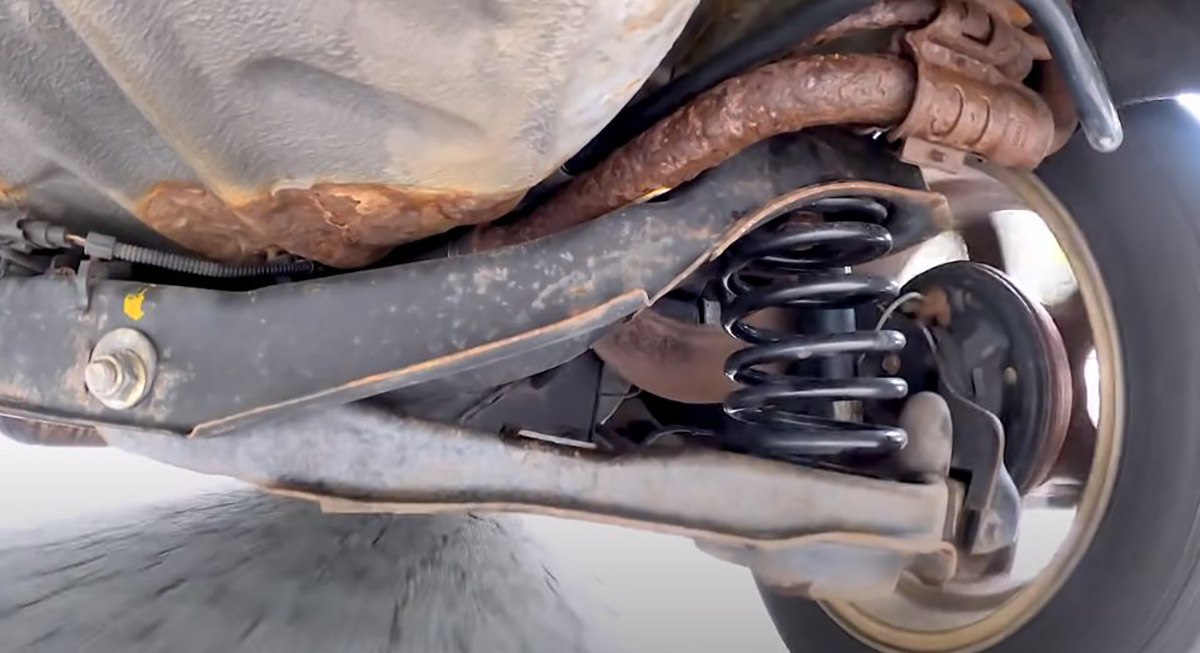
Does your vehicle bounce excessively over bumps, sway when turning, or feel unstable on uneven roads? Our excessive car bounce and sway inspection helps identify worn shock absorbers, damaged struts, weak suspension springs, worn bushings, or other suspension problems affecting your vehicle’s stability. Finding the cause helps restore better handling, improve ride comfort, reduce uneven tyre wear, and maintain better control when cornering or driving over rough surfaces. Book an inspection to identify the necessary repairs and help keep your vehicle stable, comfortable, and safer on the road.

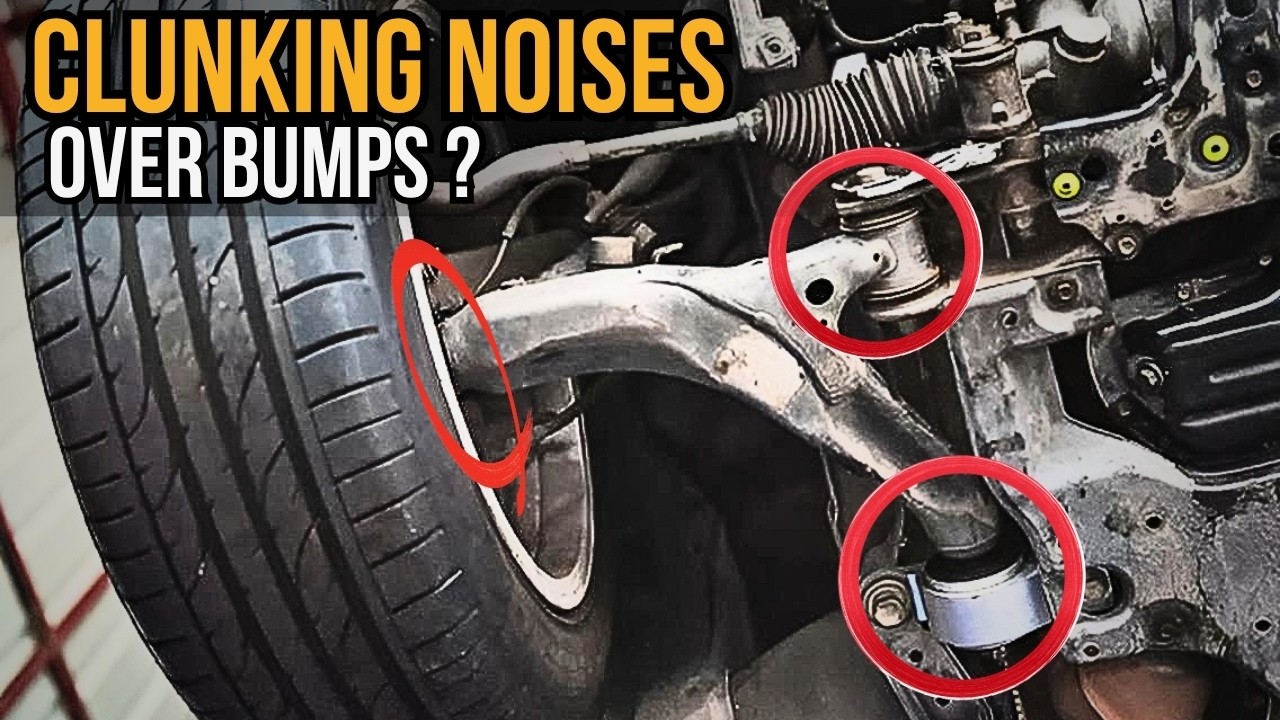
Clunking noise when I drive over bumps Inspection

Heavy metallic clunking or knocking noise when driving over speed bumps or rough roads? A bump clunking inspection pinpoints worn sway bar links, blown struts, bad ball joints, and deteriorated control arm bushings.The most common cause of a sharp, metallic clunk over small bumps is worn sway bar end links or deteriorated sway bar frame bushings: as the rubber bushings or internal ball-and-socket joints wear down, the stabilizer bar slams against its mounting hardware under chassis movement.

Clunking or knocking noise from wheels Inspection

Hearing a distinct clunking or knocking sound directly from your wheels while driving, turning, or braking? A wheel noise inspection diagnoses bad wheel bearings, loose lug nuts, worn CV joints, and damaged brake hardware.An inspection for a clunking or knocking noise originating directly from the wheels involves diagnosing rotational driveline components, wheel attachment hardware, and wheel-end brake assemblies.

Car jerks forward at high speeds Inspection

Vehicle lurching or jerking forward unexpectedly while cruising at highway speeds? A high-speed jerking inspection identifies transmission torque converter lockup slips, ignition misfires, and fuel pressure drops.An inspection for a car that jerks or surges forward at high speeds involves evaluating high-load ignition performance, steady-state fuel pressure delivery, and automatic transmission torque converter slip dynamics.

Car or Steering wheel shakes when braking Inspection

Steering wheel vibrating or brake pedal pulsating when slowing down? A brake shaking inspection pinpoints warped brake rotors, sticking calipers, loose wheel bearings, and worn suspension bushings.An inspection for a car or steering wheel that shakes during braking involves a comprehensive diagnostic measurement of the front braking hardware, wheel hub assemblies, and steering linkages.

Car overheats quickly Inspection

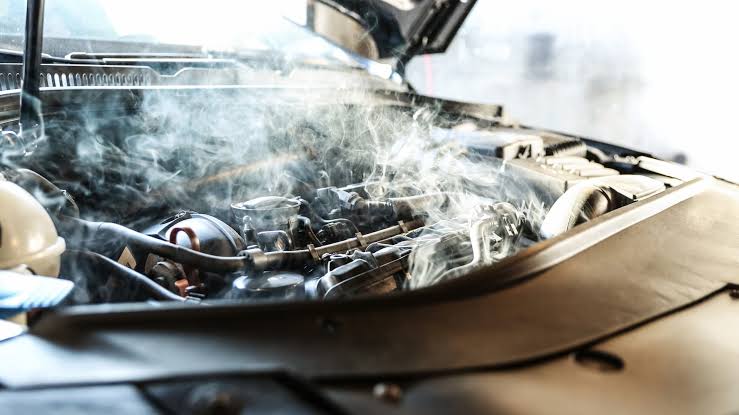
Engine temperature spiking rapidly within minutes of starting? A fast-overheating inspection identifies stuck-closed thermostats, severe coolant loss, water pump impeller failure, and blown head gaskets.An inspection for an engine that overheats quickly—often within just a few minutes of turning the ignition—involves an urgent diagnostic assessment of cooling fluid circulation, physical coolant volume, and cylinder head sealing integrity.

Car pulls in one direction Inspection

Vehicle constantly drifting, pulling, or steering to one side on straight roads? A car pulling inspection identifies wheel misalignment, uneven tire pressure, dragging brake calipers, and worn suspension joints.An inspection for a car that pulls to one side involves a comprehensive evaluation of wheel alignment geometry, tire condition, suspension component wear, and brake caliper release dynamics.

Car shudders when turning Inspection

Being able to turn smoothly and confidently is an essential part of driving. If all of your
car’s various systems are working properly, you’ll have very little issue turning. However, if
you’re noticing that the car shudders when turning, or that there’s a vibration either in
the wheel or the driver’s seat during a turn, it means there’s something going wrong.
Other potential things to pay attention to while it’s happening include listening for a
whining sound, and listening for a clunking or knocking sound.

Search for products

Back to Top
Product has been added to your cart