Call us 24/7+254 700 031 732

Lubricate U-Joints

A U-joint lubrication service helps maintain the smooth operation and durability of serviceable universal joints in your vehicle’s driveshaft. Universal joints allow the driveshaft to transmit rotational power between connected drivetrain components while accommodating changes in angle as the suspension moves. When a serviceable U-joint lacks sufficient lubrication, friction can increase, contributing to squeaking noises, stiffness, vibration, or premature joint wear. During this service, a technician inspects the universal joints for excessive play, corrosion, damaged seals, and signs of grease loss. Where lubrication fittings are provided, the technician applies the manufacturer-recommended grease to help protect the joint’s internal bearings and maintain smooth movement. Sealed U-joints that are not designed for routine lubrication are inspected rather than greased, and worn or damaged joints may require replacement. Regular lubrication of serviceable U-joints helps reduce friction, minimise premature wear, support smooth driveshaft rotation, and maintain reliable drivetrain performance.

Pitman Arm Replacement

A pitman arm replacement service addresses steering problems caused by a worn, loose, or damaged pitman arm in vehicles equipped with a recirculating-ball steering system. The pitman arm connects the steering gearbox to the steering linkage, helping transfer steering movement to the front wheels. When the pitman arm or its connection points deteriorate, you may notice excessive steering play, clunking noises from the front end, wandering while driving, or difficulty maintaining directional control. During this service, a technician inspects the pitman arm, checks its connection to the steering gearbox and centre link, and examines related steering components for excessive movement or damage. If the pitman arm is faulty, it is replaced with a compatible component suited to your vehicle’s steering system. The technician then secures the mounting hardware according to the manufacturer’s specifications and checks the steering linkage for correct movement. Wheel alignment is checked and adjusted where necessary. Replacing a worn or damaged pitman arm helps restore accurate steering response, reduce excessive steering play, improve directional stability, and support safer vehicle handling.

Power Steering Pressure Hose Replacement

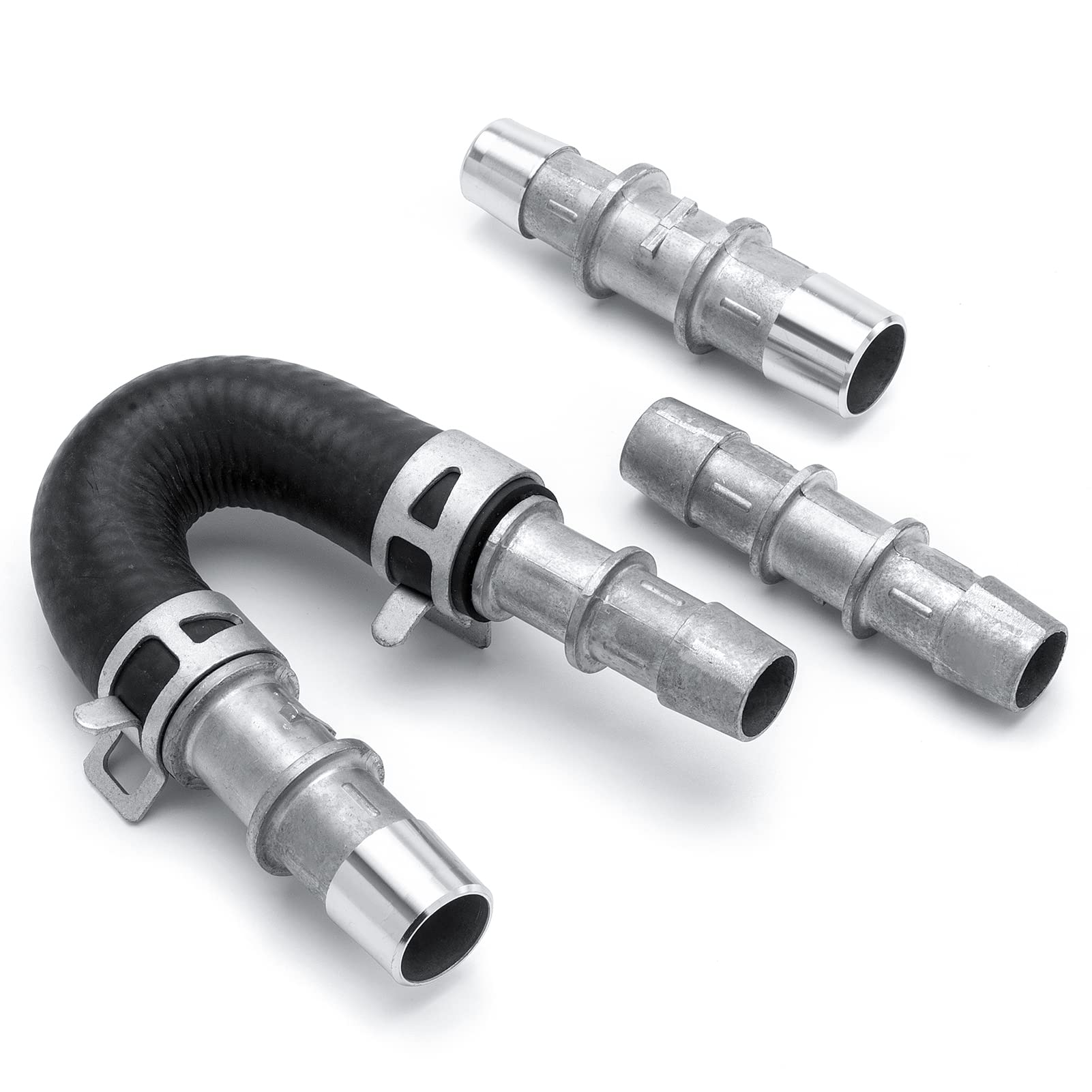
Car heater bypass tube replacement helps maintain proper coolant circulation when the bypass tube becomes cracked, corroded, damaged, or develops coolant leaks. The heater bypass tube allows engine coolant to circulate through the cooling system under specific operating conditions, depending on the vehicle’s design. A faulty tube can cause coolant loss, engine overheating, or reduced cooling system efficiency. A qualified technician will inspect the tube, connections, and surrounding cooling system components to identify leaks and determine whether replacement is necessary. Installing a compatible replacement tube and checking the coolant level and system operation helps restore reliable coolant circulation and protect the engine from overheating. AskAutoParts.Africa helps you find suitable automotive parts and service solutions to maintain dependable cooling system performance.

Air Charge Temperature Sensor Replacement

An air charge temperature sensor replacement service addresses problems caused by a faulty sensor that provides inaccurate readings of the temperature of air entering the engine. This sensor helps the engine control unit (ECU) calculate the appropriate fuel delivery and ignition timing based on incoming air conditions. When the sensor malfunctions, you may experience rough idling, reduced engine performance, poor fuel economy, difficulty starting, or an illuminated check engine light. During this service, a technician scans the vehicle for diagnostic trouble codes, checks the sensor wiring and electrical connections, and confirms whether the sensor is responsible for the problem. If the sensor is defective, it is replaced with a compatible component suited to your vehicle’s engine and specifications. The technician then checks the sensor readings, clears relevant fault codes where appropriate, and verifies that the engine management system is operating correctly. Replacing a faulty air charge temperature sensor helps restore accurate air temperature measurements, supports proper fuel and ignition control, and promotes smoother engine operation and efficient performance.

Air Cleaner Temperature Sensor Replacement

A car air cleaner temperature sensor replacement service addresses problems caused by a faulty sensor that measures the temperature of air entering through or around the air cleaner system. This sensor provides temperature information to the engine management system, helping it adjust engine operation according to incoming air conditions in vehicles equipped with this component. When the sensor fails or sends inaccurate readings, you may experience rough idling, reduced engine performance, increased fuel consumption, or an illuminated check engine light. During this service, a technician checks the relevant diagnostic trouble codes, inspects the sensor and its wiring, and confirms whether the sensor is causing the problem. If it is defective, the technician replaces it with a compatible component suited to your vehicle’s specifications. The sensor readings and related engine management functions are then checked to verify correct operation. Replacing a faulty air cleaner temperature sensor helps restore accurate temperature readings, supports proper engine management, and promotes reliable engine performance and efficient operation.

Camshaft Position Sensor Replacement

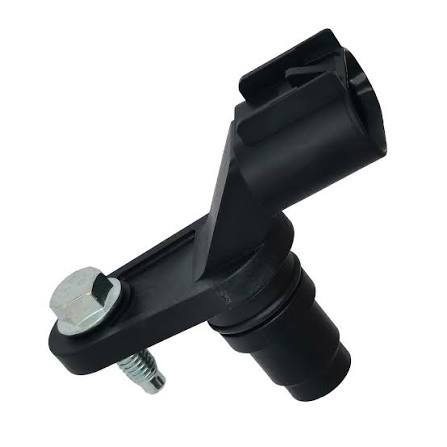
A camshaft position sensor replacement service addresses engine performance problems caused by a faulty sensor that monitors the position and speed of the camshaft. This sensor sends timing information to the engine control unit (ECU), helping coordinate fuel injection and ignition timing according to the engine’s design. When the sensor fails or provides inaccurate signals, you may experience difficulty starting the engine, rough idling, engine misfires, reduced power, or an illuminated check engine light. During this service, a technician scans the vehicle for diagnostic trouble codes, inspects the sensor and its electrical connections, and confirms whether the sensor is responsible for the fault. If the sensor is defective, it is replaced with a compatible component suited to your vehicle’s engine specifications. The technician then checks the sensor signal, clears relevant fault codes where appropriate, and verifies that the engine starts and runs correctly. Replacing a faulty camshaft position sensor helps restore accurate engine timing signals, supports reliable starting and smooth engine operation, and helps maintain proper engine management performance.

Coolant Level Sensor Replacement

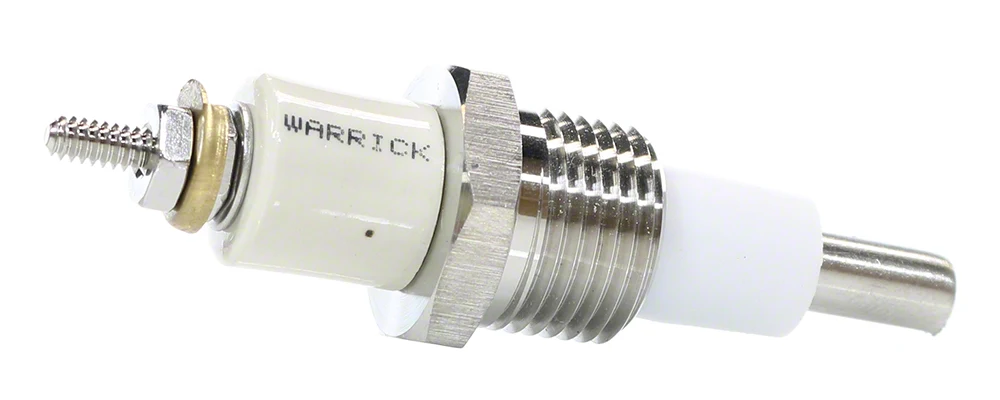
A coolant level sensor replacement service addresses problems with a faulty sensor that monitors the amount of coolant in your vehicle’s cooling system. The sensor alerts the driver when the coolant level falls below the required threshold, helping identify potential issues before they contribute to engine overheating. When the sensor malfunctions, the low coolant warning light may remain illuminated, fail to activate when coolant is low, or provide inaccurate readings. During this service, a technician checks the coolant level, inspects the sensor and its electrical connections, and examines the cooling system for leaks or other problems that could cause coolant loss. If the sensor is defective, it is replaced with a compatible component suited to your vehicle. The technician then verifies the sensor’s operation and confirms that the coolant warning system responds correctly. Replacing a faulty coolant level sensor helps restore reliable coolant monitoring, supports early detection of low coolant levels, and helps protect your engine from potential overheating damage.

Crankshaft Position Sensor Replacement

A crankshaft position sensor replacement service addresses engine problems caused by a faulty sensor that monitors the crankshaft’s position and rotational speed. This sensor sends essential information to the engine control unit (ECU), helping coordinate ignition timing and fuel injection for proper engine operation. When the sensor fails or sends inaccurate signals, you may experience difficulty starting the engine, unexpected stalling, engine misfires, reduced performance, or an illuminated check engine light. During this service, a technician scans the vehicle for diagnostic trouble codes, inspects the sensor and its wiring, and checks the signal to confirm whether the sensor is responsible for the fault. If the sensor is defective, it is replaced with a compatible component suited to your vehicle’s engine specifications. The technician then verifies the sensor signal, clears relevant fault codes where appropriate, and checks that the engine starts and runs correctly. Replacing a faulty crankshaft position sensor helps restore accurate engine timing information, supports reliable starting and consistent engine operation, and helps maintain the proper functioning of the engine management system.

Low Water Sensor Replacement

A low water sensor replacement service addresses problems with a faulty sensor that monitors coolant or water levels in vehicles equipped with this type of monitoring system. The sensor helps alert the driver when the fluid level falls below the required threshold, allowing potential cooling system problems to be identified before they contribute to engine overheating. When the sensor malfunctions, the low water warning light may remain on, fail to illuminate when the level drops, or provide inaccurate warnings. During this service, a technician checks the fluid level, inspects the sensor and its electrical connections, and examines the cooling system for leaks or other causes of fluid loss. If the sensor is defective, it is replaced with a compatible component suited to the vehicle’s specifications. The technician then tests the sensor and warning system to confirm that low fluid levels are detected correctly. Replacing a faulty low water sensor helps restore reliable fluid level monitoring, supports early detection of potential cooling system problems, and helps protect the engine from overheating caused by insufficient coolant.

Manifold Temperature Sensor Replacement

A manifold temperature sensor replacement service addresses engine performance problems caused by a faulty sensor that measures the temperature of air inside or entering the intake manifold, depending on the vehicle’s design. This sensor provides temperature data to the engine control unit (ECU), helping it adjust fuel delivery and other engine operating parameters according to incoming air conditions. When the sensor fails or sends inaccurate readings, you may experience rough idling, reduced engine power, increased fuel consumption, or an illuminated check engine light. During this service, a technician checks diagnostic trouble codes, inspects the sensor and its electrical connections, and confirms whether the sensor is responsible for the problem. If it is defective, the technician replaces it with a compatible component suited to your vehicle’s engine specifications. The sensor readings and relevant engine management functions are then checked to verify correct operation. Replacing a faulty manifold temperature sensor helps restore accurate temperature monitoring, supports proper engine management, and promotes reliable engine performance and efficient operation.

Search for products

Back to Top
Product has been added to your cart