Call us 24/7+254 700 031 732

Parking brake is stuck Inspection

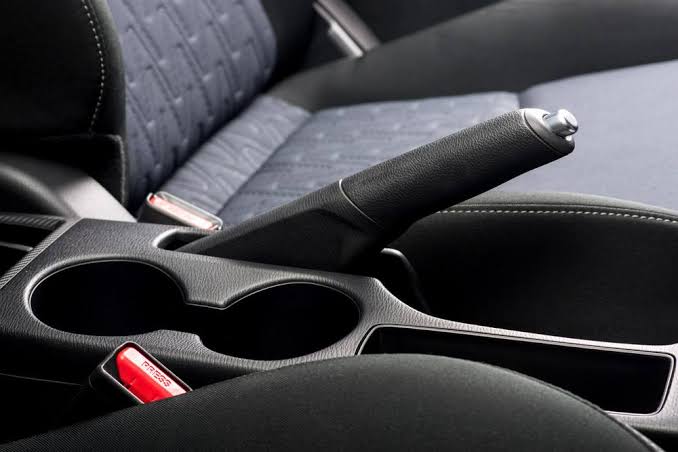
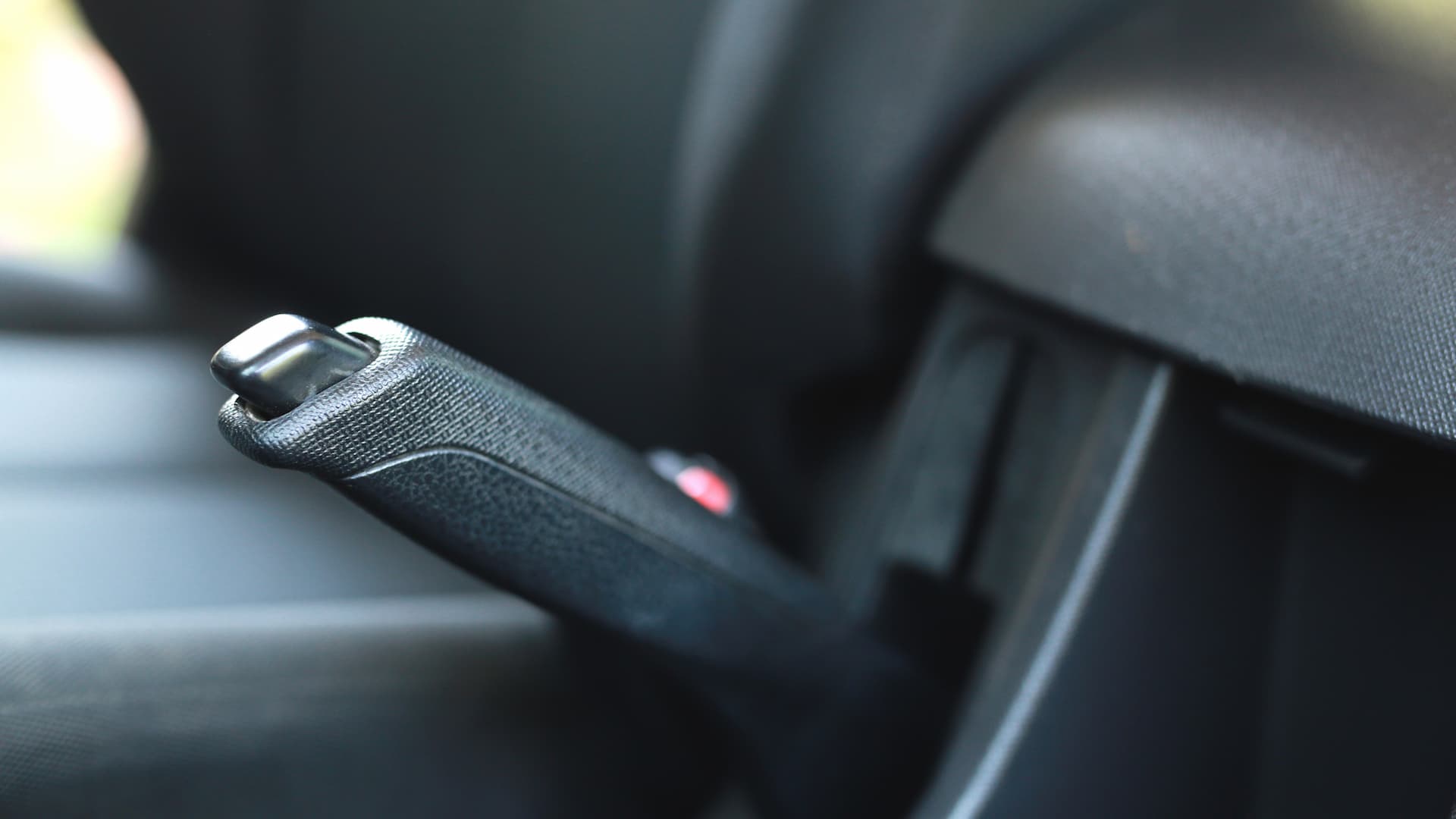
A stuck parking brake can prevent your vehicle from moving freely or make it difficult to secure your car when parked. Our parking brake inspection helps identify the cause, whether it involves a seized brake cable, corroded components, stuck brake shoes or pads, or a faulty electronic parking brake mechanism. Finding the problem helps determine the correct repair, prevent further damage to the braking system, and restore reliable parking brake operation. Arrange an inspection promptly and avoid forcing the brake or driving the vehicle if the brakes remain engaged, as this can cause additional damage and create a safety risk.

Parking brake light stays on Inspection

A parking brake warning light that stays on after you release the brake may indicate a faulty parking brake switch, a brake system sensor problem, low brake fluid, or an issue with the electronic parking brake. Our inspection helps identify the cause and determine the necessary repair, so you can address potential braking problems before they become more serious. Early diagnosis helps restore accurate warning light operation, maintain reliable braking performance, and give you greater confidence behind the wheel. Arrange an inspection promptly, and avoid driving if the brake warning remains on with other warning lights or the brakes feel abnormal.

Loud noise is coming from rear brakes Inspection

Loud noises coming from your vehicle’s rear brakes can indicate worn brake shoes or pads, damaged brake drums or discs, loose brake hardware, or debris trapped in the braking system. Our rear brake inspection helps identify the source of the noise and determine which components need repair or replacement. Addressing the problem early can restore quieter braking, improve stopping performance, prevent further damage to brake components, and help you avoid more costly repairs. Arrange an inspection promptly to keep your braking system operating reliably and support safer driving.

Parking brake won’t engage Inspection

A parking brake that will not engage can leave your vehicle unsecured and increase the risk of it rolling when parked, especially on a slope. Our parking brake inspection helps identify the cause, whether it involves a broken or loose brake cable, worn brake shoes or pads, a faulty adjustment mechanism, or a malfunctioning electronic parking brake system. Finding the fault helps determine the correct repair, restore reliable parking security, and prevent unexpected vehicle movement. Arrange an inspection promptly and avoid relying on the faulty parking brake until the problem has been repaired.

Loud noise when using the clutch Inspection

Unusual noises when pressing or releasing the clutch can indicate a worn release bearing, damaged clutch components, a faulty pilot bearing, or problems within the clutch mechanism. Our clutch noise inspection helps identify the source of the sound and determine the appropriate repair before the problem worsens. Early diagnosis can help prevent further transmission damage, reduce unexpected repair costs, and restore smoother, quieter clutch operation. Book an inspection to identify the fault and maintain reliable gear changes and dependable vehicle performance.

Parking brake won’t hold car Inspection

A parking brake that will not hold your vehicle securely can allow it to roll when parked, creating a safety risk for you and others nearby. Our parking brake inspection helps identify the cause, whether it involves worn brake shoes or pads, a loose cable, incorrect brake adjustment, or a faulty electronic parking brake mechanism. Finding the fault helps restore reliable parking security, prevent unexpected vehicle movement, and reduce the risk of further damage to braking components. Arrange an inspection promptly, and park on level ground in a secure location until the brake has been repaired.

Loud noises when car is put in gear Inspection

Loud noises when your vehicle is put into gear may indicate worn transmission components, damaged engine or transmission mounts, low transmission fluid, or problems with the clutch or drivetrain. Our inspection helps identify the source of the noise and determine the appropriate repair before the problem causes further damage. Early diagnosis can help prevent costly transmission repairs, improve smoother gear engagement, and restore reliable vehicle operation. Arrange an inspection to identify the fault and keep your vehicle shifting gears smoothly and confidently.

Loud screeching noise when I start the car Inspection

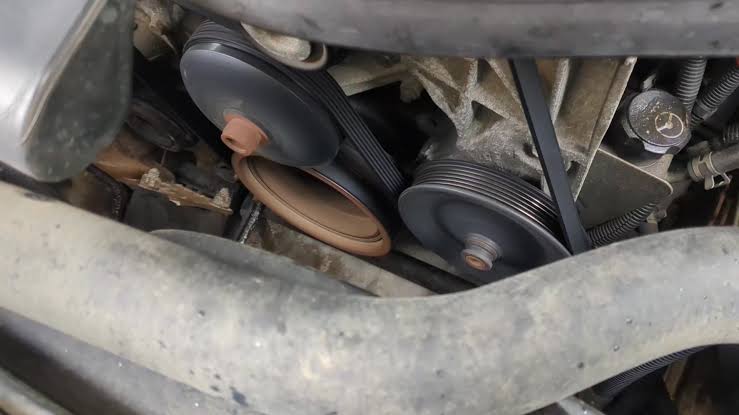
A loud screeching noise when starting your vehicle may indicate a worn or loose drive belt, a failing belt tensioner, a worn pulley, or a problem with the starter system. Our inspection helps identify the source of the noise and determine the appropriate repair before the problem worsens. Early diagnosis can help prevent unexpected breakdowns, reduce the risk of damage to related engine components, and restore quieter, more reliable starting. Book an inspection to identify the fault and keep your vehicle starting smoothly and reliably.

Loud squealing or rattling is coming from engine Inspection

Loud squealing or rattling from your engine may indicate a worn drive belt, a failing pulley, loose engine components, low engine oil, or a problem with internal engine parts. Our engine noise inspection helps identify the source of the sound and determine the appropriate repair before the problem worsens. Early diagnosis can help prevent further engine damage, reduce unexpected repair costs, and maintain smooth, reliable performance. Arrange an inspection promptly, especially if the noise is sudden, severe, or accompanied by warning lights, to protect your engine and keep your vehicle operating reliably.

Search for products

Back to Top
Product has been added to your cart