Call us 24/7+254 700 031 732

Evaporative Emission Control Canister Replacement

Evaporation vent solenoid replacement helps restore proper operation of your vehicle’s evaporative emission control system, which manages fuel vapours and prevents them from escaping unnecessarily into the atmosphere. The vent solenoid controls airflow through the charcoal canister, allowing the system to manage fuel tank vapours and perform leak checks as required by the vehicle’s design. When the solenoid becomes stuck, clogged, or electrically faulty, the vehicle may develop an illuminated check engine light, fuel vapour odours, difficulty completing an emissions system self-test, or problems with fuel tank ventilation. During this service, a qualified mechanic uses diagnostic equipment to check relevant fault codes and inspects the vent solenoid, electrical wiring, connectors, hoses, and charcoal canister for damage or blockages. Once the fault is confirmed, the defective solenoid is removed and replaced with a compatible component that meets the vehicle manufacturer’s specifications.

Leak Detection Pump Replacement

The Leak Detection Pump triggers the Check Engine light when your vehicle has minor leaks that are hard to detect.


Federal law requires a working leak detection pump because it helps ensure your evaporative | emission system (EVAP) is functioning correctly. | It’s designed to mitigate fuel vapors escaping from the fuel system. Any leaks in the system can emit vapors that pollute the atmosphere, which is why it’s a regulated aspect of the vehicle’s engine.


Disconnect negative battery cable at the battery. | Determine the location of the Leak Detection Pump | Remove vapor/vacuum lines at Leak Detection Pump and disconnect electrical connector at the site. | Install a new Leak Detection Pump, reinstall vacuum lines and electrical connector | Reconnect and test the battery for proper operation | Recheck EVAP tests and clear codes


This repair is highly complex and is optimally performed by an experienced professional. Be sure to unhook the Leak Detection Pump from the battery tray in order to prevent damage to Leak Detection Pump wiring when you’re working on the Leak Detection Pump.


Leak Detection Pumps collect and move fuel vapors for combustion and monitor the fuel system to ensure there aren’t issues that can harm the environment or your vehicle. It’s a vital service because it makes sure that the rest of your vehicle is working properly.

Carburetor Repair

Carburetor repair helps restore the proper air-fuel mixture required for smooth engine operation in vehicles equipped with a carburetor. The carburetor mixes fuel with incoming air in the correct proportions to support combustion, allowing the engine to start, idle, accelerate, and operate efficiently. Over time, dirt, fuel residue, blocked jets, worn seals, damaged floats, or faulty internal components can interfere with fuel delivery and affect engine performance. Common warning signs include difficulty starting the engine, rough idling, engine stalling, hesitation during acceleration, excessive fuel consumption, fuel leaks, or black exhaust smoke. During this service, a qualified mechanic inspects the carburetor, fuel lines, air intake, linkages, and related components to identify the source of the problem. Depending on the condition of the unit, the mechanic may clean blocked passages, adjust the air-fuel mixture and idle settings where appropriate, replace worn gaskets or damaged components, and repair faulty fuel delivery mechanisms.

Throttle Controller Replacement

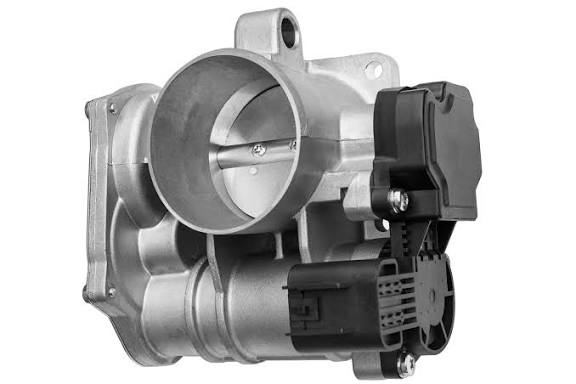
Throttle controller replacement helps restore accurate throttle operation and consistent engine response in vehicles equipped with an electronic throttle control system. The throttle controller works with the accelerator pedal sensor, throttle body, and engine control unit to regulate the amount of air entering the engine according to driver input. When the throttle controller or its associated electronic components develop a fault, the vehicle may experience delayed acceleration, reduced engine power, inconsistent throttle response, difficulty maintaining engine speed, or an illuminated check engine light. During this service, a qualified mechanic inspects the throttle control system, checks electrical connections and wiring, and uses appropriate diagnostic equipment to identify the source of the malfunction. Once the fault is confirmed, the defective throttle controller is replaced with a compatible component that meets the vehicle manufacturer’s specifications.

Fuel Filler Cap Replacement

Fuel filler cap replacement helps maintain a secure seal around your vehicle’s fuel tank opening, preventing fuel vapours from escaping and protecting the fuel system from dirt and moisture. The fuel filler cap is designed to close the fuel tank securely and, on many modern vehicles, helps maintain the correct pressure within the evaporative emission control system. Over time, the cap may become cracked, damaged, loose, or worn, while its sealing gasket can deteriorate and prevent a proper seal. Common warning signs include a loose or missing fuel cap, a persistent fuel smell around the vehicle, an illuminated check engine light, or an evaporative emission system warning caused by a faulty cap seal. During this service, a qualified mechanic inspects the fuel filler cap, sealing gasket, and fuel filler neck to determine whether replacement is necessary. The damaged or worn cap is removed and replaced with a compatible unit that meets the vehicle manufacturer’s specifications. The mechanic then checks that the new cap fits securely, seals correctly, and locks into place as designed. Where necessary, diagnostic equipment may be used to check for related evaporative emission system faults.

Timing Cover Replacement

What is the Timing Cover all about?

The timing cover is an essential component designed to protect the timing belt, timing chain or cam belt of your car from road debris, grime and gravel. The timing belt or chain of your car controls the rotation of the camshafts and crankshaft in the internal combustion engine. As long as they are spinning, the engine’s valves open and close in synchronized movement with each cylinder’s intake and exhaust strokes. Depending on the make of your car, it will have a timing belt, timing chain or cam belt. If your car has a timing belt, the timing cover protects it from road debris that can damage and break its teeth. Without the protection of the timing cover, the belt can skip, slip off the timing gears or even break. In case of engines that include a timing belt the timing cover only protects the timing belt and can be made of plastic, metal or both. In case of cars that have a timing chain, the timing cover secures the front section of the engine block with the help of a timing cover gasket. In this way, the timing gears and chain receive lubrication with the engine oil. If the timing cover gasket breaks, you will notice engine oil leaking. If your car has a timing chain, it will most likely have a metal timing cover.

Keep in mind:

● If the timing belt slips off the pulleys, your engine will be severely damaged.

● Most timing belt covers have timing cover gaskets, which help to protect the belt.

How it's done:

● The vehicle hood is raised and supported

● The defective timing cover is removed and gasket surfaces are cleaned on engine

● The new timing cover is installed and tightened to specifications

● The timing is tested and adjusted as needed and checked for any oil leaks

● The vehicle hood is closed and road tested for proper operation

Our recommendation:

If the timing belt or chain needs to be replaced, have our expert mechanics check the timing cover for damage and replace it if needed. Remember that oil leaks can damage the timing cover gasket, in which case the gasket can no longer protect the timing belt. If that happens, you need to replace the oil seals, timing belt and gasket together.

What common symptoms indicate you may need to replace the Timing Cover?

● Engine oil and/or coolant leaking

● A rasping or grating sound coming from the front of the engine

● Missed timing marks (The crankshafts, and camshafts of the car should be perfectly aligned or timed with the moving pistons of the engine. If there is any misalignment, you will notice a sharp decrease in power when moving up inclines.)

How important is this service?

As part of the regular maintenance schedule, make sure the timing cover is intact and working properly. Debris and grime can not only damage the timing belt of the car, but also damage the engine. Running the car with a damaged timing cover may lead to the timing belt slipping off resulting in severe engine damage.

Valve Cover Gasket Replacement

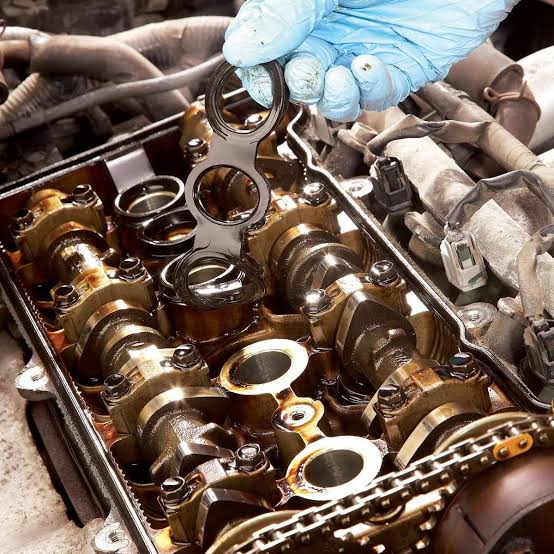
Valve cover gasket replacement helps prevent engine oil leaks and maintain a proper seal between the valve cover and the cylinder head. The valve cover gasket keeps engine oil contained within the upper part of the engine, where it lubricates essential components such as the valvetrain. Over time, the gasket can deteriorate due to prolonged exposure to engine heat, age, and normal wear, causing oil to seep around the valve cover. Common warning signs include visible oil leaks around the top of the engine, a burning oil smell, smoke from oil contacting hot engine surfaces, or oil accumulating around the spark plugs on applicable engine designs. During this service, a qualified mechanic inspects the valve cover gasket, cover, and surrounding components to confirm the source of the leak. The old gasket is carefully removed, the sealing surfaces are cleaned, and a compatible replacement gasket is installed according to the vehicle manufacturer’s specifications. The mechanic also checks the valve cover for cracks or warping, inspects relevant seals, and tightens the fasteners to the recommended specifications.

Valve Cover Replacement

Valve cover replacement helps protect the upper part of your vehicle’s engine by keeping the valvetrain enclosed and preventing dirt, dust, and other contaminants from entering essential engine components. The valve cover sits above the cylinder head and covers components such as the camshaft and valves, depending on the engine design. Over time, the cover may crack, warp, or become damaged due to prolonged exposure to engine heat, vibration, or physical impact. A damaged valve cover can cause engine oil leaks, burning oil smells, or oil accumulation around ignition components on applicable engines. During this service, a qualified mechanic inspects the valve cover, gasket, mounting points, and surrounding engine components to determine whether replacement is necessary. The damaged cover is carefully removed, and the sealing surfaces are cleaned to ensure proper installation.

Variable Valve Timing (VVT) Solenoid Replacement

Variable Valve Timing (VVT) switch replacement helps restore proper monitoring and control of your vehicle’s variable valve timing system when the switch or sensor responsible for detecting system operation becomes faulty. The VVT system adjusts engine valve timing according to driving conditions to support efficient combustion, smooth performance, and responsive acceleration. Depending on the vehicle design, the VVT switch may provide an electrical signal that helps the engine control unit monitor or regulate the system. When the switch develops a fault, your vehicle may experience rough idling, reduced engine power, poor acceleration, increased fuel consumption, or an illuminated check engine light. During this service, a qualified mechanic uses diagnostic equipment to identify relevant fault codes and inspects the VVT switch, electrical connectors, wiring, and related components to confirm the cause of the problem. The faulty switch is then removed and replaced with a compatible component that meets the vehicle manufacturer’s specifications. The mechanic checks the electrical connections, verifies correct installation, and tests the system to confirm that the appropriate signals are being received.

Variable Valve Timing (VVT) Switch Replacement

Variable Valve Timing (VVT) switch replacement helps restore proper monitoring and control of your vehicle’s variable valve timing system when the switch or sensor responsible for detecting system operation becomes faulty. The VVT system adjusts engine valve timing according to driving conditions to support efficient combustion, smooth performance, and responsive acceleration. Depending on the vehicle design, the VVT switch may provide an electrical signal that helps the engine control unit monitor or regulate the system. When the switch develops a fault, your vehicle may experience rough idling, reduced engine power, poor acceleration, increased fuel consumption, or an illuminated check engine light. During this service, a qualified mechanic uses diagnostic equipment to identify relevant fault codes and inspects the VVT switch, electrical connectors, wiring, and related components to confirm the cause of the problem. The faulty switch is then removed and replaced with a compatible component that meets the vehicle manufacturer’s specifications. The mechanic checks the electrical connections, verifies correct installation, and tests the system to confirm that the appropriate signals are being received.

Search for products

Back to Top
Product has been added to your cart