Call us 24/7+254 700 031 732

Fuel Filler Neck Replacement

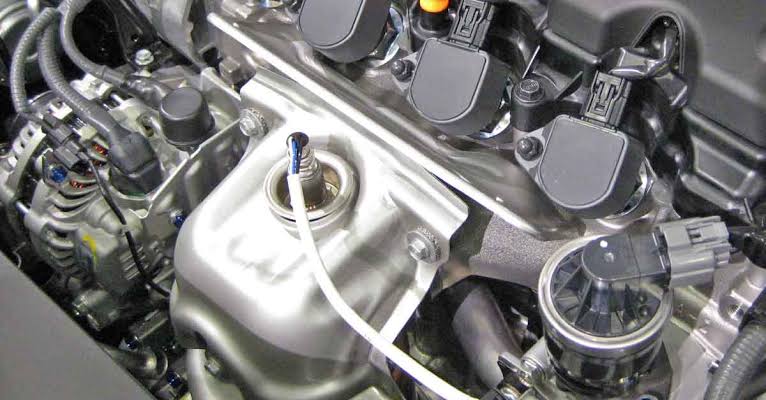
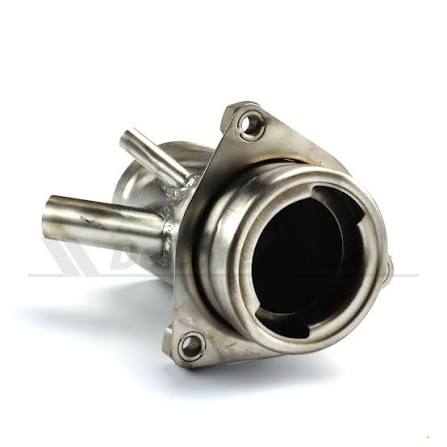
Fuel filler neck replacement helps restore safe and reliable fuel filling by providing a secure passage for fuel from the filler opening into your vehicle’s fuel tank. The fuel filler neck connects the external fuel inlet to the tank and is designed to support proper refuelling while maintaining the integrity of the fuel system. Over time, the filler neck may develop corrosion, cracks, dents, damaged connections, or deterioration of its seals due to age, environmental exposure, or physical impact. Common warning signs include fuel leaking near the filler area, a strong fuel smell around the vehicle, difficulty filling the tank, fuel spilling back during refuelling, or visible damage around the filler neck. During this service, a qualified mechanic inspects the fuel filler neck, connecting hoses, clamps, seals, mounting brackets, and related evaporative emission components to identify the source of the problem. The damaged filler neck is carefully removed, and the surrounding connections are checked for corrosion or additional damage.
Fuel Injector O Rings Replacement

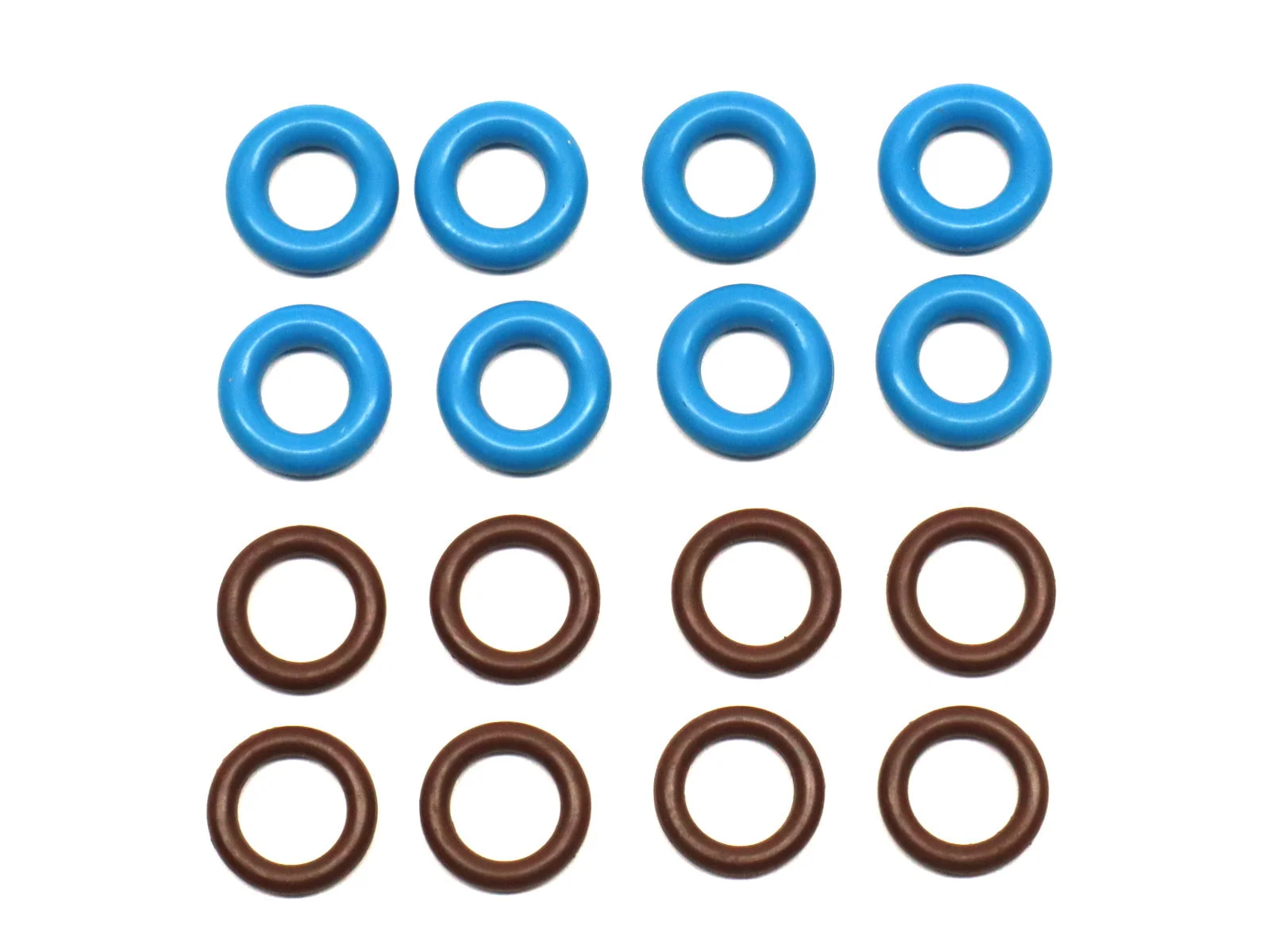
Fuel injector O-rings replacement helps maintain a secure seal around the fuel injectors, preventing fuel leaks and ensuring proper operation of your vehicle’s fuel delivery system. These small sealing rings sit at the injector connection points and help prevent fuel from escaping while maintaining the correct seal between the injectors and their mounting locations. Over time, O-rings can harden, crack, shrink, or deteriorate due to heat, fuel exposure, and normal wear. Common warning signs include a fuel smell around the engine, visible fuel leakage near the injectors, rough idling, engine misfires, difficulty starting, or inconsistent engine performance. During this service, a qualified mechanic inspects the fuel injectors, O-rings, fuel rail connections, and surrounding components to identify damaged seals and check for related problems. The affected injectors are carefully removed using the appropriate procedure for the vehicle, and the worn or damaged O-rings are replaced with compatible seals designed for the specific fuel system. The mechanic then reinstalls the injectors, checks that all connections are secure, and inspects the system for leaks using the manufacturer-recommended testing procedure.

Fuel Injector Replacement

Fuel injector replacement helps restore accurate fuel delivery and efficient combustion in your vehicle’s engine. Fuel injectors spray a controlled amount of fuel into the engine’s intake ports or combustion chambers, depending on the engine design, to support smooth starting, consistent acceleration, and reliable performance. Over time, injectors can become clogged, leak, develop electrical faults, or suffer internal wear, affecting the amount and pattern of fuel delivered to the engine. Common warning signs include rough idling, engine misfires, difficulty starting, hesitation during acceleration, reduced engine power, increased fuel consumption, or an illuminated check engine light. During this service, a qualified mechanic uses diagnostic equipment to assess engine performance and inspect the fuel injectors, electrical connections, fuel rail, and related components to confirm whether replacement is necessary. The faulty injector is carefully removed using the appropriate procedure for the vehicle’s fuel system, and a compatible replacement is installed with the required seals and O-rings. The mechanic checks the fuel connections, follows the manufacturer’s recommended installation procedures, and performs any necessary injector coding or adaptation where applicable.

Fuel Pressure Regulator Replacement

Fuel pressure regulator replacement helps restore the correct fuel pressure required for consistent fuel delivery and reliable engine performance. The fuel pressure regulator controls fuel pressure within the fuel system according to the vehicle’s design, helping ensure that the engine receives the appropriate amount of fuel under different operating conditions. When the regulator becomes faulty, fuel pressure may become too high, too low, or inconsistent, affecting combustion and overall engine operation. Common warning signs include difficulty starting the engine, rough idling, engine misfires, hesitation during acceleration, reduced engine power, increased fuel consumption, or a strong fuel smell. During this service, a qualified mechanic inspects the fuel pressure regulator, fuel lines, electrical connections where applicable, and related fuel system components. Diagnostic equipment and a fuel pressure test are used where appropriate to determine whether the regulator is causing the problem. Once the fault is confirmed, the defective regulator is removed using the manufacturer-recommended procedure, and a compatible replacement is installed with the necessary seals and connections.

Fuel Pressure Sensor Replacement

Fuel pressure sensor replacement helps restore accurate monitoring of fuel pressure within your vehicle’s fuel delivery system. The sensor measures fuel pressure and sends electrical signals to the engine control unit, allowing it to monitor fuel system operation and adjust engine management accordingly. Depending on the vehicle design, the sensor may be located on the fuel rail, fuel line, or another part of the fuel system. Over time, the sensor may develop electrical faults, internal damage, or inaccurate readings that interfere with proper engine management. Common warning signs include an illuminated check engine light, difficulty starting the engine, rough idling, hesitation during acceleration, reduced engine power, or diagnostic trouble codes related to fuel pressure. During this service, a qualified mechanic uses diagnostic equipment to check relevant fault codes and inspect the fuel pressure sensor, wiring, connectors, and related fuel system components. Fuel pressure is assessed where appropriate to confirm whether the sensor is faulty rather than an actual fuel delivery problem. The defective sensor is then removed using the recommended procedure and replaced with a compatible component that meets the vehicle manufacturer’s specifications.

Fuel Pump Replacement

Fuel pump replacement helps restore reliable fuel delivery by ensuring that your vehicle’s engine receives the fuel required for proper starting, acceleration, and operation. The fuel pump transfers fuel from the tank to the engine at the pressure and flow rate specified by the vehicle manufacturer. Depending on the vehicle, the pump may be located inside the fuel tank or mounted externally along the fuel system. Over time, the pump may wear out, develop electrical faults, or lose its ability to deliver sufficient fuel, affecting engine performance and reliability. Common warning signs include difficulty starting the engine, engine stalling, hesitation during acceleration, reduced power, unusual whining noises from the fuel tank area, or an engine that cranks but does not start. During this service, a qualified mechanic inspects the fuel pump, electrical connections, fuel lines, filters, and related components to identify the cause of the problem. Appropriate diagnostic checks and fuel pressure tests are performed to confirm whether the pump requires replacement. The faulty pump is then removed using the recommended procedure and replaced with a compatible unit that meets the vehicle manufacturer’s specifications.

Gas Cap Replacement

Gas cap replacement helps maintain a secure seal on your vehicle’s fuel tank, reducing fuel vapour loss and supporting the proper operation of the evaporative emission control system. The gas cap closes the fuel filler opening and, on many vehicles, helps maintain the pressure conditions required for effective fuel system monitoring. Over time, the cap or its sealing gasket may become worn, cracked, loose, or damaged, preventing it from sealing correctly. Common warning signs include a loose or missing gas cap, a fuel smell around the vehicle, an illuminated check engine light, or an evaporative emission system warning caused by a faulty seal. During this service, a qualified mechanic inspects the gas cap, sealing gasket, and fuel filler neck to determine whether replacement is necessary. The damaged cap is removed and replaced with a compatible unit that meets the vehicle manufacturer’s specifications. The mechanic then checks that the new cap fits securely, tightens or locks correctly, and forms a proper seal.

Injector Control Pressure

Injector control pressure inspection and repair helps maintain the correct fuel injection pressure required for reliable engine starting, smooth operation, and consistent performance in vehicles equipped with high-pressure fuel injection systems. The injection control pressure system regulates the pressure needed to deliver fuel effectively, working with components such as the pressure sensor, regulator, and engine control module, depending on the vehicle design. When injection pressure becomes too high, too low, or inconsistent, the engine may experience difficulty starting, rough idling, reduced power, hesitation during acceleration, engine stalling, or an illuminated check engine light. During this service, a qualified mechanic uses diagnostic equipment to assess fault codes, inspect relevant electrical connections, and measure injection control pressure where appropriate. The mechanic checks the pressure sensor, regulator, fuel supply, and associated components to identify the underlying cause of the problem. Depending on the findings, the service may involve repairing electrical connections, replacing a faulty sensor or regulator, or addressing another component affecting pressure control.

Oxygen Sensor Replacement

An oxygen sensor replacement service addresses engine performance and emissions problems caused by a faulty oxygen sensor in your vehicle’s exhaust system. The sensor measures the amount of oxygen in the exhaust gases and sends information to the engine control unit (ECU), helping it adjust the air-fuel mixture for efficient combustion and proper emissions control. When the sensor fails or provides inaccurate readings, you may experience increased fuel consumption, rough idling, poor engine performance, failed emissions testing, or an illuminated check engine light. During this service, a technician scans the vehicle for diagnostic trouble codes, inspects the oxygen sensor and its wiring, and checks the exhaust system to confirm the cause of the problem. If the sensor is defective, it is replaced with a compatible component suited to your vehicle’s engine and exhaust specifications. The technician then verifies the sensor readings and checks engine operation to confirm that the system is functioning correctly. Replacing a faulty oxygen sensor helps restore accurate exhaust oxygen monitoring, supports proper fuel management, reduces avoidable emissions, and promotes reliable engine performance and fuel efficiency.

Car AC Air Filter Replacement

A car AC air filter replacement service helps maintain clean airflow through your vehicle’s air conditioning and ventilation system by removing dust, pollen, dirt and other airborne particles before they enter the cabin. A dirty, clogged or worn cabin air filter can reduce airflow from the vents, cause unpleasant odours and make the air conditioning system work harder to circulate air. Common signs that the filter needs replacing include weak airflow, musty smells when the AC is switched on and increased dust inside the vehicle. During the service, a qualified mechanic checks the filter’s condition, identifies its location and installs a suitable replacement that matches your vehicle’s specifications. Regular replacement supports better cabin air quality, more effective ventilation and a comfortable driving environment. The recommended replacement interval varies depending on the vehicle manufacturer, driving conditions and exposure to dust. Book a Car AC Air Filter Replacement service with Ask Auto Parts Africa to help keep your vehicle’s cabin air fresh and your ventilation system working efficiently.

Search for products

Back to Top
Product has been added to your cart