Call us 24/7+254 700 031 732

Lubricate U-Joints

U-joints, or universal joints, are found along the driveshaft or driveshafts of a vehicle, at any point where the driveshaft has to change angle or attach to another component such as a differential. This type of coupling is capable of withstanding large amounts of torque. Proper lubrication ensures that these parts don’t experience any excess friction and won’t wear out prematurely.


If the U-joints show signs of excess friction, they should be thoroughly inspected to make sure they don’t have to be replaced. | These parts are under very high stress. Any issue with a U-joint should be addressed immediately. | By the time there are noticeable signs that the joints are bad, parts might already be damaged to the point of needing replacement.


The vehicle is raised and supported on jack stands | The U-joints on all drive shafts and steering shaft are located | The Zerk grease fittings on the U-joints are located | New grease is pumped into the grease fittings with a grease gun | The vehicle is lowered off of the jack stands


Consult the vehicle’s manual for any manufacturer suggestions as to how often the U-joints along the drivetrain need to be inspected. Each time they are inspected, they should be lubricated. While the mechanic is underneath the vehicle, they should also inspect the driveshaft and other parts of the drivetrains to make sure that any symptoms of a U-joint issue weren’t actually caused by something else. For example, vibrations could be caused by an unbalanced wheel or damaged tire. What are the common symptoms indicating you need to lubricate the U-joints? Clicking noise coming from under the vehicle when in gear Vibrations in the vehicle


This service is extremely important if the vehicle is showing any signs that the driveshaft or U-joint is not functioning properly. These parts are under a massive amount of torque and the failure of a spinning shaft is very unpredictable.
Pitman Arm Replacement

Not the sexiest of all automotive parts, the Pitman Arm, named after railroad engineer George Pitman, is tasked with steering your car. The Pitman takes the circular motion generated by the sector shaft and converts it so that it can be used to turn the wheels. The Pitman arm, supported by the sector arm, is attached directly to the steering gearbox.


The Pitman Arm is robust. With proper maintenance, it will last the entire lifetime of your car.


The vehicle is raised, secured on jack stands and the front tire removed | The defective pitman arm is removed | The new pitman arm is installed with a new nut | The tire is installed and the vehicle is lowered off of the jack stands | The vehicle is road tested for proper steering operation


The Pitman Arm needs regular maintenance. If it receives that maintenance, it will easily last the life of your car. However, if you fail to give it regular maintenance, you will find that between 30,000 and 50,000 miles, your car’s steering will falter. To prevent this, vehicle owners should have their Pitman Arm inspected regularly. A six-month inspection of the steering gear is more than adequate for most driving. However, if you drive in rough, rocky, off-road or other harsh conditions, the Pitman Arm will deteriorate quickly. It is wise to have it inspected, and replaced, if need be, on a three-month basis if this is the case. This may seem drastic, but remember that if your car’s front wheels are taking a pounding, the Pitman Arm, as it sits on the steering gearbox, does too.


If you fail to follow the service recommendations in your owner’s manual, you run the very real risk of losing steering control due to Pitman Arm failure. When the Pitman Arm fails, there is no longer a connection between the sector shaft and the wheels. When that direct connection is lost, you lose the ability to steer, which can result in dangerous consequences.

Power Steering Fluid Reservoir Replacement

The power steering system enables you to turn the steering wheel easily. When the car is not running, it is extremely hard to turn the steering wheel and the tires. When the car is running, it is the power steering system that helps you turn the steering wheel so easily. The power steering system includes: power steering pump, fluid, belt, hoses and steering gear (rack and pinion). The steering gear connects the steering wheel to the stub axles. When you turn the steering wheel, the power steering pump sends fluid to the steering gear that applies the pressure needed to turn the tires. If the power steering reservoir is low, the steering will become harder to manipulate. You may see fluid (power steering fluid) underneath your car.


You may have more than one vehicle component leaking Your Mechanic will perform an inspection and advise you of the findings. The mechanic will recommend replacing any visibly leaking parts and may also recommend that the engine be steam cleaned to better see any other leakage problems.


Check for power steering fluid leak. | Replace the reservoir if it is leaking. | Inspect for leaks again.


If you see fluid on the driveway, have a mechanic inspect for leaks as soon as possible. If you continue to drive the car with low power steering fluid, it can damage the pump.


Your power steering system helps you turn the wheels of your car easily and efficiently. The system relies on pressure form steering fluid to help turn the wheels, and this fluid is kept in the steering fluid reservoir. When you turn your steering wheel, the power steering pump pulls fluid from the reservoir, and sends it to the rack and pinion steering gear, where the pressure from the fluid is used to help the wheels turn. Without this fluid, your steering is not power-assisted. When the power steering fluid reservoir breaks, the system cannot hold the power steering fluid. When this happens, little or no fluid is sent to the wheels, negating the power steering system, and making it much harder and more dangerous for you to turn your wheels.

Power Steering Fluid Service

Power steering fluid flows through the power steering hydraulic system. The system is pressurized by the power steering pump and by way of valves, plungers, or pistons decreases the effort needed by the driver to turn the steering wheel. When the pump stops pumping, the pressure drops and the power steering system loses its hydraulic pressure. As components in the steering system wear, metal particles will contaminate the fluid, which will cause seals in the system to leak and components to eventually fail. Checking the fluid level and changing the fluid at regular intervals recommended by the manufacturer is important for the life of the hoses, pistons, valves, seals, and the power steering pump itself.


Pouring in the wrong fluid or overfilling the system can cause expensive damage. The mechanic will need to consult the vehicle owner’s or service manual. | If the fluid is low, the mechanic will check the hoses, fittings, and clamps for leaks.


Empty the power steering reservoir | Fill with the correct type and quantity of new fluid | Bleed the power steering system/clean up any residual fluid | Test operation of power steering | Check for any power steering leaks


Consider getting a power steering flush once every 3-4 years. What are the common symptoms indicating you need to replace the power steering fluid? Groaning noise from the power steering pump or steering gear Difficulty in turning the steering wheel Contaminated fluid (brown/black)


Changing your power steering fluid at manufacturer recommended intervals, will ensure continued system performance and extended service life. It is a part of scheduled maintenance services and will save you the trouble of major repairs down the road.

Air Suspension Compressor Replacement

While you might be most familiar with gas-filled shocks and struts, there are actually several different suspension types used today. One is air suspension, which relies on air-filled rubber air bags to provide the cushioning and ride quality necessary. This is actually a more advanced type of suspension than conventional shocks/struts and coil-over springs, but it does have its problems. These systems are inherently more complex than others, and require a significant number of components in order to operate. One of the most important is the air suspension air compressor. The compressor pumps air into the air bags to raise the chassis off the axles and provide good ride quality. It works in conjunction with a dryer which is often made into the same assembly, although this varies from one automaker to another. If the compressor fails, your air suspension will not be able to adjust, and will be stuck at the inflation level where the compressor quit. Eventually, the air in the air springs will leak out, and the vehicle will sag.


The air suspension air compressor is not inspected during any type of routine maintenance, although ride level/height issues should be noticeable to technicians.


The air suspension air compressor is verified to see if it needs to be replaced | The defective air suspension air compressor is removed | The new air suspension air compressor is installed | The air suspension air compressor is tested for operation | The vehicle is tested to ensure proper operation of the air suspension air compressor


Given the importance of having an operational air suspension air compressor, we recommend having your vehicle professionally inspected at the first sign of trouble or abnormal operation. Often, compressors fail with little to no warning, but sometimes they do operate erratically or make strange sounds beforehand. If you suspect a problem with your air suspension air compressor, have it inspected by one of our expert mechanics and replaced if necessary.


It can be dangerous to operate your vehicle if the compressor quits and the air bags are deflated. In order for your air suspension to operate, you must have a functional air compressor. Without it, there is no way to adjust the volume of air in the airbags and change the ride quality/height. In addition, air will eventually seep out of the airbags slowly, so the vehicle will begin to sag. Have a faulty air suspension air compressor replaced as soon as possible.

Ball Joint Replacement (Rear)

Rear ball joints are a key part of your vehicle’s suspension system. The ball joints connect the control arm assembly (part of the chassis) to the steering knuckles (part of the wheels). The ball joints serve two purposes: they allow the wheels to steer and they allow the suspension to move freely. The rear ball joint acts nearly identically to the ball joints found in your shoulders and knees; they allow two separate components to operate both independently and together.


It’s a good idea to replace all of the ball joints at once. | In some cars the control arm blocks the ball joint and will need to be replaced as well. | After having your ball joints replaced, you should take your vehicle to a mechanic to have the wheels aligned. Mobile mechanics do not have the equipment needed to perform wheel alignments.


Remove the wheels. | Remove the control arm(s). | Remove and replace ball joints; | Check the entire suspension system for any problems.


Whenever your vehicle is being serviced or having routine maintenance, you should ask for the suspension to be inspected. During a major service, make sure that your ball joints are lubricated, as this will increase their lifespan. If you notice anything wrong with your wheels or suspension, schedule an inspection.


The rear ball joints connect the control arm assembly to the steering knuckles, and help the suspension and wheels work smoothly. The rear ball joints help your wheels steer, so as the ball joints are damaged, your car may begin to have steering problems. The rear ball joints also allow the suspension to move, which protects both the suspension and the chassis. Damaged rear ball joints result in a vehicle that is dangerous to drive, and upon driving, can cause further damage to other parts of your car.

Power Steering Pressure Hose Replacement

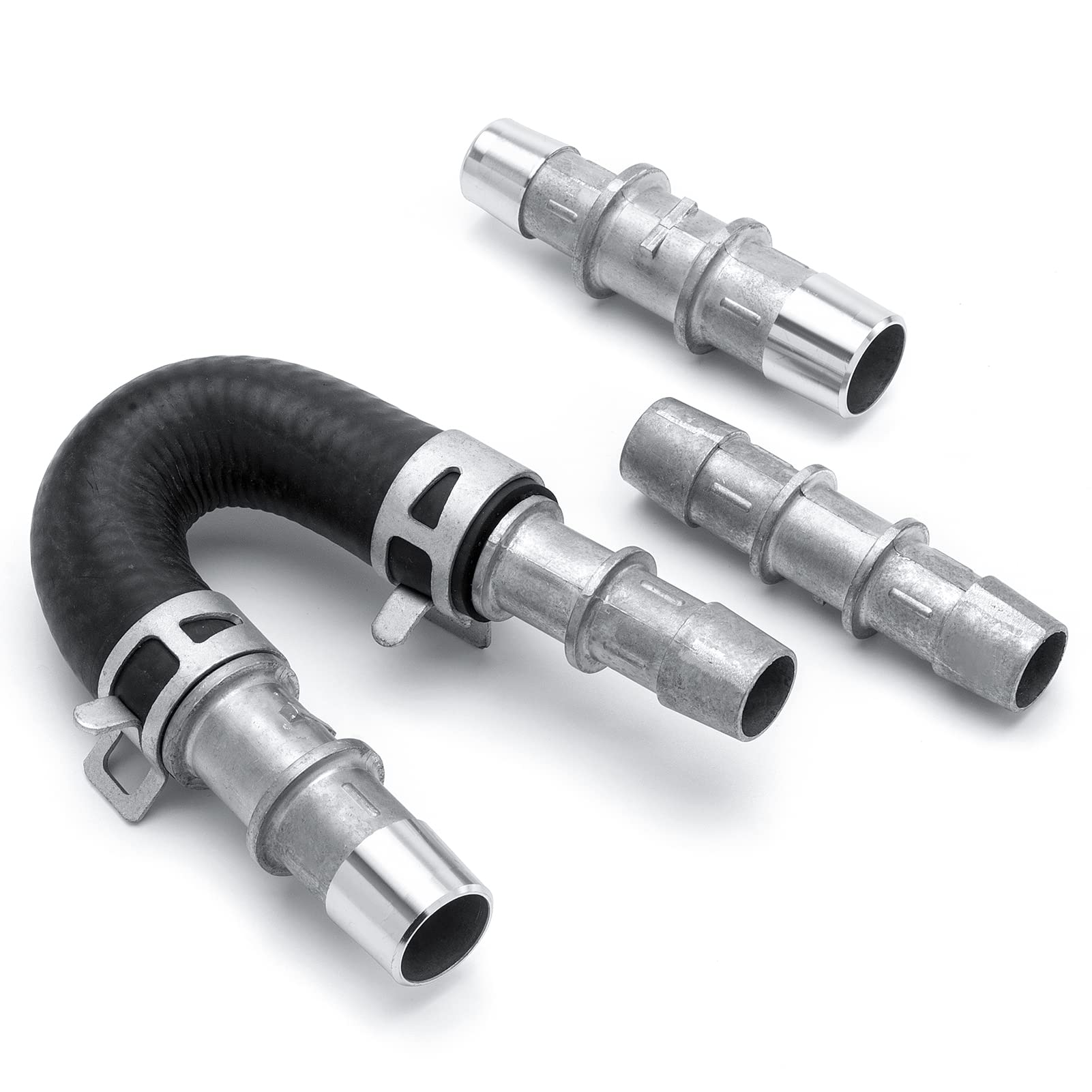
Car heater bypass tube replacement helps maintain proper coolant circulation when the bypass tube becomes cracked, corroded, damaged, or develops coolant leaks. The heater bypass tube allows engine coolant to circulate through the cooling system under specific operating conditions, depending on the vehicle’s design. A faulty tube can cause coolant loss, engine overheating, or reduced cooling system efficiency. A qualified technician will inspect the tube, connections, and surrounding cooling system components to identify leaks and determine whether replacement is necessary. Installing a compatible replacement tube and checking the coolant level and system operation helps restore reliable coolant circulation and protect the engine from overheating. AskAutoParts.Africa helps you find suitable automotive parts and service solutions to maintain dependable cooling system performance.

Center (Drag) Link Replacement

The center link, also known as a drag link, converts the rotational motion of the steering wheel of a vehicle into the corresponding direction of the wheels when turning. You can find the drag link connected to the pitman arm, which attaches to the steering column. The other end of the drag link connects to the steering arm and eventually to the tie rods, which play a major part in pivoting the wheels that steer the vehicle. In some vehicles, the drag link connects directly to the tie rod assembly via a ball joint instead of to a steering arm. Drag links come in either a solid single-piece or as an adjustable design.


In addition to the drag link, our expert mechanic will also check the ball joints connecting the drag link to the pitman arm and the steering arm or tie rod assembly for wear or cracking. | Many drag links feature replaceable ends so you do not have to replace the whole part. | One of our expert mechanics will also inspect the shocks and struts when checking the drag link to make sure these parts remain in good shape.


The vehicle front wheels are turned straight and the vehicle is lifted and supported on jack stands | The defective center drag link is removed | The new center drag link is installed | The vehicle is removed from jack stands | The vehicle is road tested and checked for proper steering operation


By following your vehicle’s regular maintenance schedule, you should have the linkage beneath the vehicle, including the drag link, inspected whenever you have the vehicle lubed. Most often, though, today’s ball joints, tie rods, and other parts are sealed and require little to no maintenance. In this case, have one of our expert mechanics inspect the drag link when performing a tire rotation or change, a vehicle alignment, or whenever your vehicle displays symptoms that might indicate a problem is developing with the drag link or any of its related components. When inspecting the drag link, the mechanic will look for any excessive play, a strong indicator that the part needs replacing.


The drag link is an important component in the operation of your vehicle. A faulty drag link can cause your vehicle to vibrate or wobble while driving, affecting the handling, stability, and alignment of the vehicle, making it more difficult to drive. If the faulty drag link is not replaced, the vehicle will eventually become inoperable.

Power Steering Pressure Switch Replacement

Power steering makes steering a vehicle much easier at low speeds. However, because the system is powered by the engine, increased loads can cause problems. The harder the power steering system must work to meet the demands of the driver, the heavier the load is placed on the engine. The power steering pressure switch is located either at the power steering pump or the gearbox. It’s an on/off type of switch that communicates with the vehicle’s computer by sending information about the fluid pressure in the system, and if necessary, the computer adjusts the engine’s operation to account for increased demand. In some systems, the switch is also tied into the vehicle’s air conditioning and will turn off the compressor at certain load points (or communicate with the ECM to turn off the compressor). The switch uses a diaphragm, as well as two electrical sensors. Over time and through exposure to heat, the sensor can malfunction or fail.


The power steering pressure switch is not part of any regular maintenance. | The power steering pressure switch cannot be inspected without significant teardown. | Failure of the power steering pressure switch can mimic a number of other problems with the system, so it’s vital that one of our expert mechanics diagnose the problem.


The hood is opened and the engine is allowed to cool then drained of fluid | The power steering pressure switch is removed from the pressure line | The new power steering pressure switch is installed into the pressure line | The power steering system is refilled with fluid and purged of air | The engine is run and the power steering system operation is checked


The power steering system of your vehicle makes handling at low speeds much easier. It’s an important part of your vehicle, and if you’ve noticed that it isn’t operating correctly, we recommend having one of our expert mechanics diagnose it.


While it’s not as critical as your drivetrain, the power steering system does offer vital usability enhancements. We recommend having any malfunction diagnosed as soon as possible by one of our expert mechanics. Note that problems with the pressure switch can be similar to numerous other issues, so self-diagnosing the failure is not recommended.

Search for products

Back to Top
Product has been added to your cart