Call us 24/7+254 700 031 732

Low Water Sensor Replacement

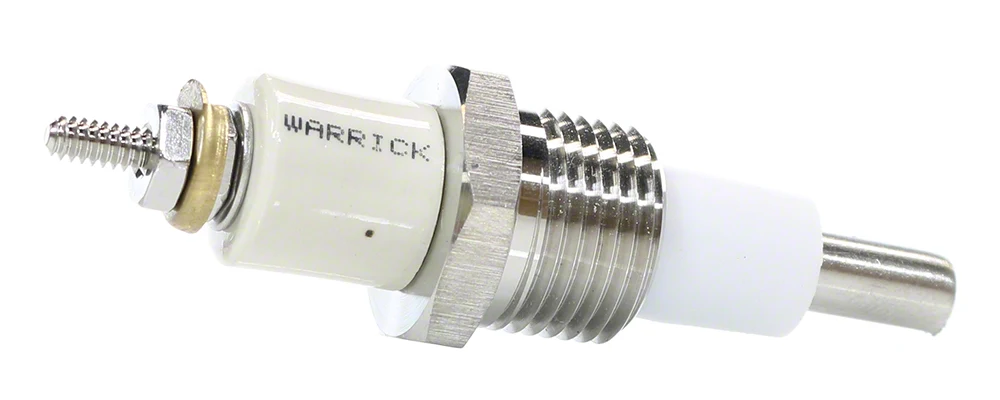
A low water sensor replacement service addresses problems with a faulty sensor that monitors coolant or water levels in vehicles equipped with this type of monitoring system. The sensor helps alert the driver when the fluid level falls below the required threshold, allowing potential cooling system problems to be identified before they contribute to engine overheating. When the sensor malfunctions, the low water warning light may remain on, fail to illuminate when the level drops, or provide inaccurate warnings. During this service, a technician checks the fluid level, inspects the sensor and its electrical connections, and examines the cooling system for leaks or other causes of fluid loss. If the sensor is defective, it is replaced with a compatible component suited to the vehicle’s specifications. The technician then tests the sensor and warning system to confirm that low fluid levels are detected correctly. Replacing a faulty low water sensor helps restore reliable fluid level monitoring, supports early detection of potential cooling system problems, and helps protect the engine from overheating caused by insufficient coolant.

Water Pump Pulley Replacement

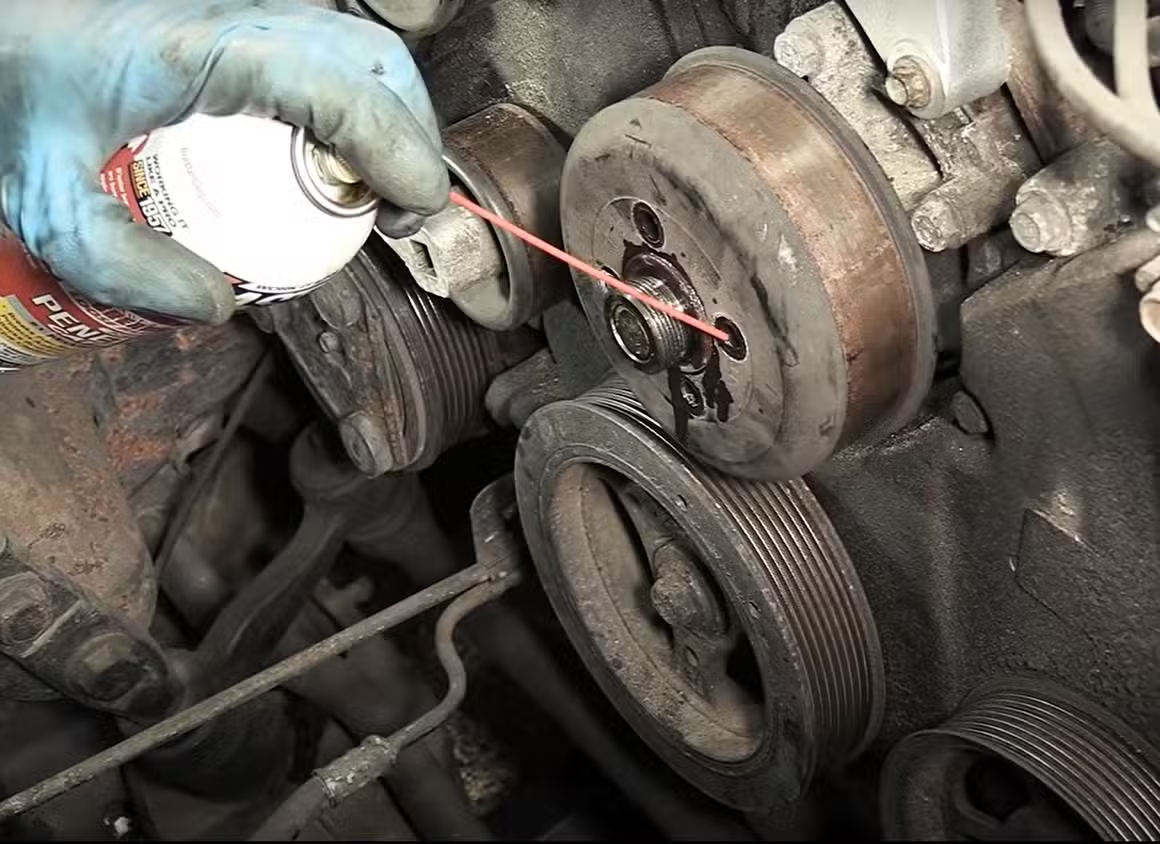
Water pump pulley replacement helps maintain proper coolant circulation by ensuring that the engine-driven water pump receives the rotational force needed to operate effectively. The water pump pulley connects to the engine’s belt drive system and transfers power from the belt to the water pump, allowing coolant to circulate through the engine and radiator. Over time, the pulley may become worn, cracked, bent, corroded, or misaligned, affecting belt movement and water pump operation. Common warning signs include unusual squealing or grinding noises from the engine bay, visible pulley damage, belt misalignment, excessive vibration, or signs of overheating caused by reduced coolant circulation. During this service, a qualified mechanic inspects the water pump pulley, drive belt, tensioner, mounting hardware, and surrounding components to identify the source of the problem. The damaged pulley is carefully removed, and the mounting area is checked for wear or damage before a compatible replacement is installed according to the vehicle manufacturer’s specifications. The mechanic then verifies pulley alignment, checks belt tension where applicable, and confirms that the belt moves smoothly without unusual noise or vibration.

Water Pump Replacement

Water pump replacement helps maintain proper engine cooling by ensuring that coolant circulates effectively between the engine and radiator. The water pump moves coolant through the cooling system, helping regulate engine temperature and prevent excessive heat buildup during operation. Over time, the pump may develop worn bearings, damaged seals, internal corrosion, or mechanical failure, reducing coolant circulation and increasing the risk of engine overheating. Common warning signs include coolant leaking near the water pump, unusual grinding or whining noises from the engine, rising engine temperature, coolant loss, or visible damage around the pump assembly. During this service, a qualified mechanic inspects the water pump, cooling system, drive belt, hoses, and related components to confirm the source of the problem. The faulty pump is carefully removed, and the mounting surfaces are cleaned before a compatible replacement is installed using the appropriate gasket or seal. Where required, the mechanic also inspects or replaces associated components, such as the drive belt and tensioner, according to the vehicle manufacturer’s recommendations.

Search for products

Back to Top
Product has been added to your cart