Call us 24/7+254 700 031 732

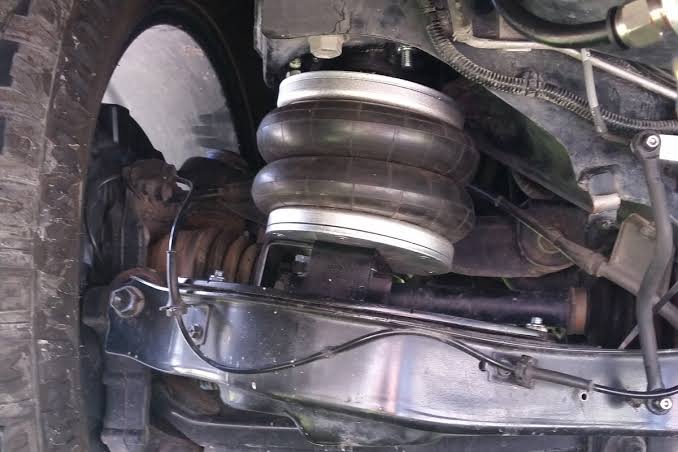
Air Bag Suspension Repair

Air bag suspension repair addresses problems with a vehicle’s air suspension system that can cause uneven ride height, a sagging corner, a harsh ride, or warning messages on the dashboard. Air suspension systems use inflatable air springs, along with components such as an air compressor, valves, sensors, and air lines, to support vehicle weight and maintain the appropriate ride height. When a leak, damaged air spring, faulty sensor, compressor problem, or valve malfunction develops, the vehicle may sit too low, struggle to raise or level itself, or lose ride comfort and stability. During this service, a technician inspects the air springs, air lines, connections, compressor, valves, and height sensors, using suitable diagnostic equipment to identify the cause of the fault. Damaged or defective components are repaired or replaced with compatible parts, and the system is checked for air leaks and correct operation. The technician then verifies ride height, checks for warning lights, and tests the system’s ability to adjust or maintain vehicle height as designed. Timely air bag suspension repair helps restore proper vehicle height, improve ride comfort, and support stable handling while reducing the risk of further damage caused by continued operation with a faulty suspension system.

Suspension Spring Coils Replacement

Suspension spring coils replacement helps restore the vehicle’s ride height, load support, and suspension performance when coil springs become worn, damaged, sagging, or broken. Coil springs support the vehicle’s weight and absorb road impacts by compressing and expanding as the wheels move over bumps and uneven surfaces. Faulty springs may cause one corner of the vehicle to sit lower than the others, unusual suspension noises, a rough ride, reduced stability, or uneven tyre wear. During this service, a technician inspects the coil springs for cracks, corrosion, breakage, and loss of height, while checking related components such as struts, shock absorbers, spring seats, and mounting points for damage or wear. Defective springs are replaced with compatible parts that meet the vehicle’s specifications, with appropriate safety equipment used to manage spring tension during removal and installation. The technician then checks that the springs are correctly seated and that associated suspension components are secure. Wheel alignment is checked or performed where required, and a road test may be carried out to assess ride height, comfort, and handling. Replacing damaged or sagging coil springs helps restore proper suspension support, improve vehicle stability, and promote more consistent handling and tyre contact with the road.

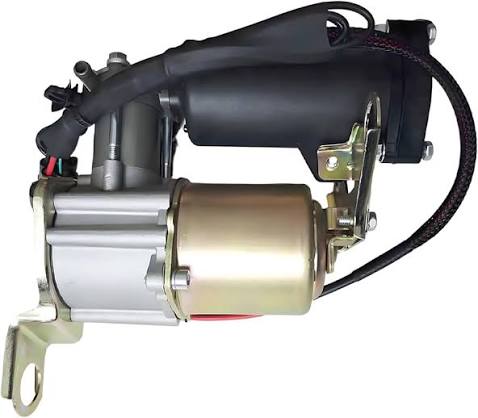
Air Suspension Compressor Replacement

An air suspension compressor replacement service addresses suspension problems caused by a faulty compressor that can no longer supply sufficient compressed air to the vehicle’s air suspension system. The compressor helps inflate the air springs and maintain the correct ride height, supporting vehicle stability, ride comfort, and suspension performance. When the compressor fails, you may notice a sagging vehicle, uneven ride height, a suspension warning light, unusual compressor noises, or an inability to raise the vehicle to the required height. During this service, a technician inspects the compressor, checks its electrical connections, air lines, relays, and related suspension components, and determines whether the compressor is responsible for the problem. If it is defective, the compressor is replaced with a compatible unit suited to your vehicle’s specifications. The technician then checks for air leaks, verifies compressor operation, and tests the suspension system to confirm that the vehicle reaches and maintains the correct ride height. Replacing a faulty air suspension compressor helps restore reliable air supply, supports proper suspension operation, improves ride comfort, and helps maintain vehicle height and stability.

Lubricate Steering and Suspension

A steering and suspension lubrication service helps maintain the smooth movement and durability of serviceable components within your vehicle’s steering and suspension systems. These components work together to support steering control, absorb road impacts, and maintain stable wheel movement over different road surfaces. Depending on the vehicle’s design, certain ball joints, steering linkage joints, tie rod ends, and suspension fittings may require periodic lubrication to reduce friction and minimise wear. When serviceable components lack sufficient grease, you may notice squeaking noises, stiffness, or increased friction during steering and suspension movement. During this service, a technician inspects accessible steering and suspension components, checks protective boots and lubrication fittings for damage or grease leakage, and identifies signs of excessive wear. The appropriate manufacturer-recommended lubricant is then applied to components designed for routine lubrication. Sealed components that do not require periodic greasing are inspected rather than lubricated, and worn or damaged parts are identified for repair or replacement. Regular steering and suspension lubrication helps reduce friction, protect serviceable joints against premature wear, maintain smooth component movement, and support reliable steering response and vehicle stability.

Lubricate Suspension

A steering and suspension lubrication service helps maintain the smooth movement and durability of serviceable components within your vehicle’s steering and suspension systems. These components work together to support steering control, absorb road impacts, and maintain stable wheel movement over different road surfaces. Depending on the vehicle’s design, certain ball joints, steering linkage joints, tie rod ends, and suspension fittings may require periodic lubrication to reduce friction and minimise wear. When serviceable components lack sufficient grease, you may notice squeaking noises, stiffness, or increased friction during steering and suspension movement. During this service, a technician inspects accessible steering and suspension components, checks protective boots and lubrication fittings for damage or grease leakage, and identifies signs of excessive wear. The appropriate manufacturer-recommended lubricant is then applied to components designed for routine lubrication. Sealed components that do not require periodic greasing are inspected rather than lubricated, and worn or damaged parts are identified for repair or replacement. Regular steering and suspension lubrication helps reduce friction, protect serviceable joints against premature wear, maintain smooth component movement, and support reliable steering response and vehicle stability.

Search for products

Back to Top
Product has been added to your cart