Call us 24/7+254 700 031 732

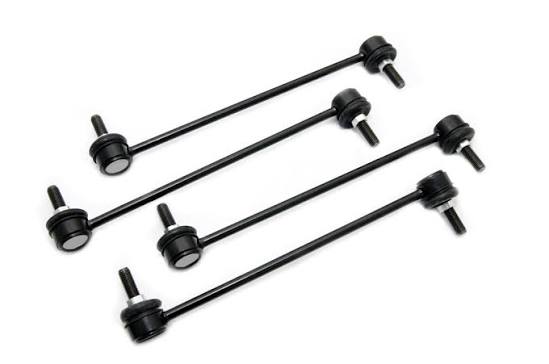
Center (Drag) Link Replacement

A center (drag) link replacement service addresses steering problems caused by a worn, bent, or damaged center link that connects steering linkage components in vehicles equipped with this type of steering system. The center link helps transfer steering movement between the steering gear and the wheels, allowing the front wheels to respond to steering input. When the link or its joints deteriorate, you may notice excessive steering play, knocking noises from the front end, wandering while driving, or difficulty maintaining a straight path. During this service, a technician inspects the center link, checks the connected steering joints and linkage components, and assesses excessive movement or damage to identify the cause of the problem. If the center link is defective, it is replaced with a compatible component suited to your vehicle’s steering design. The technician then secures the connections, checks the steering linkage for correct movement, and verifies steering operation. Wheel alignment is checked and adjusted where necessary. Replacing a faulty center link helps restore accurate steering response, reduce excessive steering play, and support stable, predictable vehicle control.
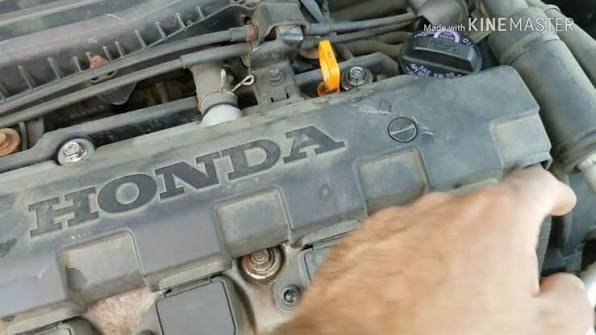
Top Dead Center (TDC) Sensor Replacement

A Top Dead Center (TDC) sensor replacement service addresses engine starting and performance problems caused by a faulty sensor that helps identify the piston’s position at the top of its travel during the engine cycle. The sensor provides timing information to the engine control unit (ECU), supporting accurate ignition timing and, depending on the engine design, fuel injection control. When the TDC sensor fails or sends inaccurate signals, you may experience difficulty starting the engine, rough idling, engine misfires, poor performance, or an illuminated check engine light. During this service, a technician checks diagnostic trouble codes, inspects the sensor and its electrical connections, and tests the signal to determine whether the sensor is responsible for the fault. If the sensor is defective, it is replaced with a compatible component suited to your vehicle’s engine specifications. The technician then verifies the sensor signal and checks engine starting and operation to confirm the repair. Replacing a faulty TDC sensor helps restore accurate engine timing information, supports reliable starting, and promotes smoother engine operation and dependable performance.

Search for products

Back to Top
Product has been added to your cart