

What is the Variable Valve Timing (VVT) Switch all about?
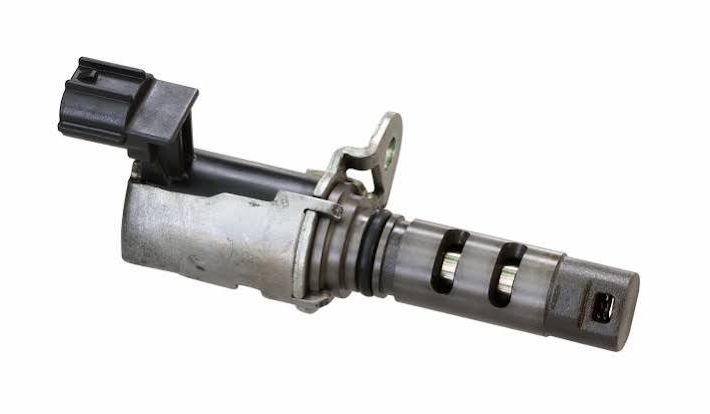
Variable valve timing systems have been around since the 1960s in one form or another, but they didn’t start seeing widespread use until the 1990s, when the DOHC system became prominent. They’ve advanced a lot since then, and today, most automakers have their own proprietary variable valve timing system. The variable valve timing switch is a pressure switch, and is designed to be open on a normal basis. It’s located at the VVT solenoid inside the engine and is responsible for telling the car’s computer if oil pressure was delivered to the VVT system. After pressure has been delivered, the switch closes, creating a voltage drop to 0. The car’s computer interprets this as a positive signal of oil pressure delivery. If the variable valve timing switch fails or reads incorrectly, it can cause the engine to run rough and fuel economy will be affected. The Check Engine light will come on with variable valve timing codes.
Keep in mind:
● If the VVT switch fails, the Check Engine light will illuminate with a fault code.
● The VVT switch is an electronic component, and can fail due to exposure to high heat and poor engine maintenance practices such as irregular oil changes.
How it's done:
● The faulty variable valve timing actuator (VVT) switch is located and identified
● The variable valve timing actuator (VVT) switch is removed
● The new variable valve timing actuator (VVT) switch is installed
● The engine is tested with a scanner for proper variable valve timing actuator (VVT) switch operation
● The vehicle is road tested and checked for proper variable valve timing actuator (VVT) switch operation
Our recommendation:
The variable valve timing switch is an internal part, and cannot be checked visually. Aside from regular maintenance during the process of oil changes, there are no preventative measures you can take against VVT switch failure. If your car’s Check Engine light is on and associated VVT symptoms are present, have one of our expert mechanics diagnose and repair the problem.
What common symptoms indicate you may need to replace the Variable Valve Timing (VVT) Switch?
● Rough engine operation
● Reduced fuel economy
● Check Engine light is on
How important is this service?
With a faulty variable valve timing pressure switch, your VVT system cannot operate correctly or may not operate at all. This will have a significant impact on overall engine performance, and can lead to serious damage. We recommend having your engine inspected immediately for any suspected VVT switch related problems and repaired as soon as possible.


Leave a comment
Your email address will not be published. Required fields are marked *
You must be logged in to post a comment.