Call us 24/7+254 700 031 732

Oil Cooler Repair

A damaged, leaking, or blocked oil cooler can affect your vehicle’s ability to regulate oil temperature, potentially contributing to overheating, fluid leaks, or inadequate lubrication. Depending on the vehicle design, the oil cooler helps control the temperature of engine oil or automatic transmission fluid to support reliable operation. Common signs of an oil cooler problem include visible fluid leaks, rising engine or transmission temperatures, falling fluid levels, or unusual fluid contamination. Ask Auto Parts Africa offers an Oil Cooler Repair Service to help identify the cause of these problems and determine the appropriate solution. A qualified mechanic will inspect the oil cooler, connecting lines, seals, fittings, and related components for leaks, corrosion, blockages, or damage. Diagnostic checks will help establish whether the cooler can be repaired or requires replacement. Where appropriate, the mechanic will repair the affected components, replace faulty seals or connections, and check that the system circulates fluid correctly.
Smell of oil in car Inspection

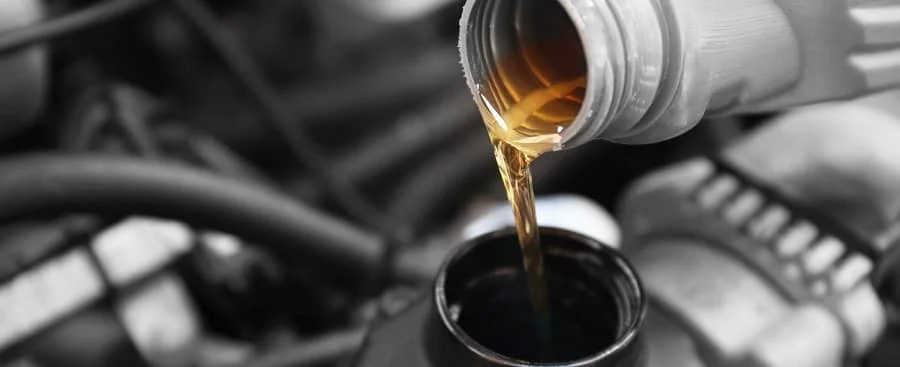
An oil smell inside your car can indicate an engine oil leak, oil dripping onto hot engine or exhaust components, an overfilled engine, or a problem with seals and gaskets. Our oil smell inspection helps identify the source of the odour by checking for oil leaks around the engine, valve cover gasket, oil filter, oil filler cap, and other relevant components. We assess the affected areas to determine the appropriate repair and help prevent continued oil loss, component damage, and costly repairs. Prompt diagnosis also helps maintain engine performance and keeps unpleasant odours from entering the cabin. Book an inspection to locate the source of the oil smell and get the right repair for your vehicle. If the smell is strong, you notice smoke, or the engine oil pressure warning light comes on, stop driving when safe and arrange professional assistance.

Oil Pressure Light is on Inspection

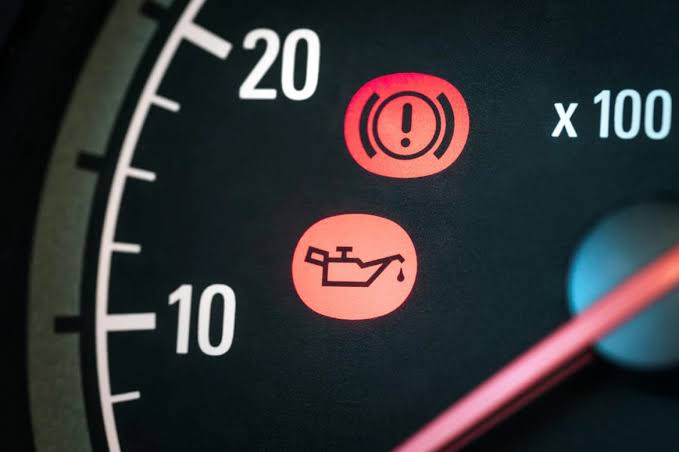
An illuminated oil pressure warning light may indicate low engine oil pressure, insufficient oil levels, a faulty oil pump, a blocked oil filter, or a problem with the oil pressure sensor. Our oil pressure inspection helps identify the cause and determine the necessary repair before inadequate lubrication leads to serious engine damage. Prompt diagnosis can help protect vital engine components, prevent expensive repairs, and maintain reliable engine performance. If the oil pressure warning light comes on while driving, stop safely, switch off the engine, and arrange professional assistance rather than continuing to drive.

Oil is leaking into spark plug well Inspection

Oil leaking into your vehicle’s spark plug wells may indicate worn valve cover gaskets, damaged spark plug tube seals, or other sealing problems around the engine. Our inspection helps identify the source of the leak and determine the appropriate repair before oil contamination affects spark plugs, ignition coils, or engine performance. Early diagnosis can help prevent engine misfires, reduce oil-related maintenance costs, and restore reliable ignition system operation. Arrange an inspection to identify the fault, protect essential engine components, and keep your vehicle running smoothly.

Oil level is low Inspection

A low engine oil level can reduce lubrication, increase friction between moving parts, and lead to serious engine damage if left unaddressed. Our low oil level inspection helps identify why your vehicle is losing oil, whether through leaks, oil consumption, worn seals, or other engine-related problems. Finding the cause helps you address the issue correctly, maintain proper engine lubrication, reduce the risk of costly repairs, and protect your engine’s long-term performance. Arrange an inspection to determine the necessary repairs and keep your engine operating reliably. If the oil pressure warning light is on, switch off the engine and seek professional assistance before driving further.

Transmission Oil Pressure Switch Replacement

Harsh gear shifts, transmission slipping, Check Engine light, or vehicle stuck in limp mode? Replacing a faulty transmission oil pressure switch restores accurate hydraulic monitoring and smooth automatic shifting.The Transmission Control Module (TCM) relies on continuous real-time voltage signals from these switches to confirm that hydraulic pressure has built sufficiently to engage a specific gear clutch pack.

Search for products

Back to Top
Product has been added to your cart