Call us 24/7+254 700 031 732

Fuel Filler Neck Replacement

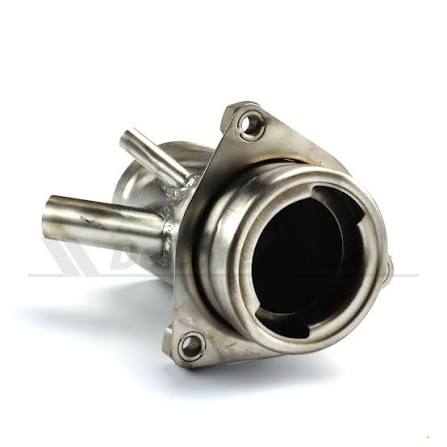
Fuel filler neck replacement helps restore safe and reliable fuel filling by providing a secure passage for fuel from the filler opening into your vehicle’s fuel tank. The fuel filler neck connects the external fuel inlet to the tank and is designed to support proper refuelling while maintaining the integrity of the fuel system. Over time, the filler neck may develop corrosion, cracks, dents, damaged connections, or deterioration of its seals due to age, environmental exposure, or physical impact. Common warning signs include fuel leaking near the filler area, a strong fuel smell around the vehicle, difficulty filling the tank, fuel spilling back during refuelling, or visible damage around the filler neck. During this service, a qualified mechanic inspects the fuel filler neck, connecting hoses, clamps, seals, mounting brackets, and related evaporative emission components to identify the source of the problem. The damaged filler neck is carefully removed, and the surrounding connections are checked for corrosion or additional damage.

Fuel Filler Cap Replacement

Fuel filler cap replacement helps maintain a secure seal around your vehicle’s fuel tank opening, preventing fuel vapours from escaping and protecting the fuel system from dirt and moisture. The fuel filler cap is designed to close the fuel tank securely and, on many modern vehicles, helps maintain the correct pressure within the evaporative emission control system. Over time, the cap may become cracked, damaged, loose, or worn, while its sealing gasket can deteriorate and prevent a proper seal. Common warning signs include a loose or missing fuel cap, a persistent fuel smell around the vehicle, an illuminated check engine light, or an evaporative emission system warning caused by a faulty cap seal. During this service, a qualified mechanic inspects the fuel filler cap, sealing gasket, and fuel filler neck to determine whether replacement is necessary. The damaged or worn cap is removed and replaced with a compatible unit that meets the vehicle manufacturer’s specifications. The mechanic then checks that the new cap fits securely, seals correctly, and locks into place as designed. Where necessary, diagnostic equipment may be used to check for related evaporative emission system faults.

Search for products

Back to Top
Product has been added to your cart