
What is the Power Steering Input Shaft Seal all about?
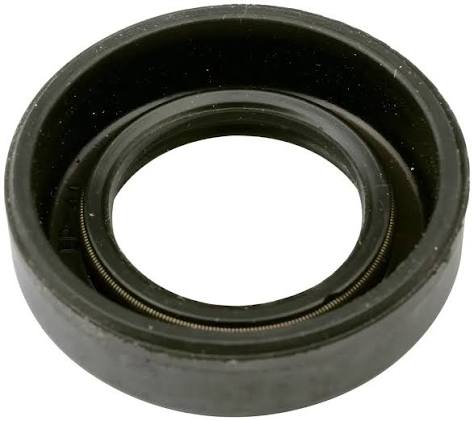
Power steering uses pressurised fluid to make the steering light. The steering gear (rack or box) has a shaft where the steering column connects, and a rubber seal at that point keeps the fluid in. When the seal wears, fluid leaks out
Keep in mind:
- Dust and grit from our roads wear seals faster, and old fluid makes it worse.
- Many leaks are cheaper to repair by resealing than by replacing the whole steering gear, but a gear with a scored shaft may need replacing.
- Always top up with the fluid type specified for your car. The wrong fluid damages seals.
- Running with low fluid damages the pump.
How it's done:
- The mechanic checks the fluid level and finds the exact source of the leak.
- The steering gear is removed from the car if needed.
- The input shaft seal is replaced, along with other seals where necessary.
- The gear is refitted, filled with the correct fluid and bled of air.
- The steering is tested and checked for leaks.
Our recommendation:
Check the power steering fluid when you check your oil. If you have to top it up regularly, or see a wet patch or fluid stains near the steering gear, book an inspection before the pump is damaged.
What common symptoms indicate you may need to replace the Power Steering Input Shaft Seal?
- Fluid leaking around the steering gear, with a wet or oily patch under the car.
- The fluid level keeps dropping.
- Whining or groaning noises when you turn.
- Steering that becomes heavy, especially at low speed.
How important is this service?
Important. Steering will still work without power assistance, but it becomes very heavy, which is dangerous in an emergency and at parking speeds. Running low on fluid also wears out the pump.
Leave a comment
Your email address will not be published. Required fields are marked *
You must be logged in to post a comment.